
Cornwall and Devon are separated by the River Tamar and by a whole lot of bitter claims over who makes the best cream tea. Since a few people have left comments lately saying—and I’m about to paraphrase them both inaccurately and irresponsibly—that almost no wars are worth fighting, I think it’s time we stop and contemplate whether this one might not be. Because some things really do matter.
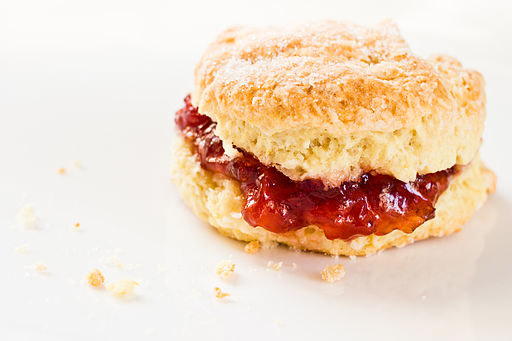
But first, for the sake of those of you whose feet have never been tucked under a table blessed with a cream tea, I need to explain what I’m going on about. The cream tea one of the few things that might convince this atheist that heaven exists. You take a scone and split it in half, then put jam and clotted cream on each half and as you take that first bite you’ll notice your eyes rolling upward toward the heavens in thanks.
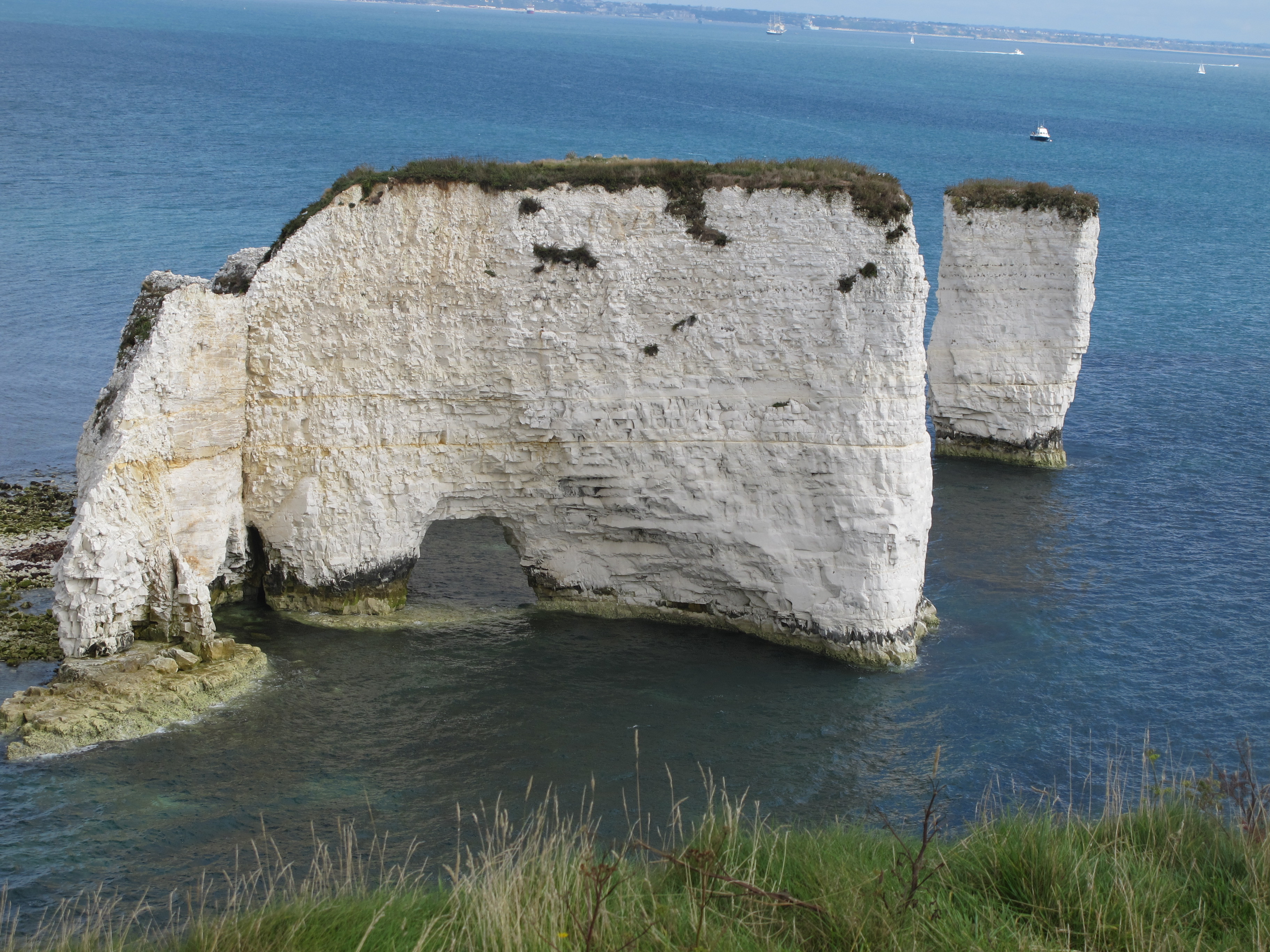
Irrelevant photo: To be fair to both Cornwall and Devon, I’m posting a photo from Dorset. Which probably also thinks it invented the cream tea.
What’s clotted cream, though? It’s roughly as thick as whipped cream (don’t quibble; I did say “roughly”) but unsweetened. As well as yellower, gooier, and better. Ignore the disgusting name.
What’s this got to do with wars? Well, in Devon they think they invented both clotted cream and the cream tea. And they put the cream on first. In Cornwall, they also think they invented clotted cream and the cream tea and they put the jam on first. You at the back, settle down. This will be on the test.
In fact, it’s on the test every time I get a cream tea—which isn’t often because the arteries will only put up with just so much abuse. But it does happen now and then and when it does I sit in front of the scones, the dishes of cream and jam, and can’t remember which goes on first. Because I live in Cornwall, and this is serious stuff. It’s also exactly the kind of stuff my mind spits out like a toddler offered rutabaga. Ptooey, it says. I’m not remembering this, and it dances off to review some song lyric it already knows perfectly well, or the name of a wildflower, or something else of its own damn choosing.
Meanwhile, I could get myself run out of the county for this. And if I do, my mind’s going with me so I wish it would pay more attention.
Why does anyone care? Once upon a time, I’d have said it was just something to fight over, but food scientists have researched the issue, looking for the perfect cream tea formula. It turns out you want 40 grams of scone, 30 of cream, and 30 of jam. And—although they don’t mention this—a good-size pot of tea. With milk, a sunny day, and some people you like. Because hurling yourself at a cream tea on your own is right up there with drinking alone.
It turns out that the Devon method makes it easier to spread the fillings but the Cornish method allows you to serve the scone hotter, because the jam insulates the cream and keeps it from running. They don’t actually say which is better, the cowards. Which means they’ve been overtaken by the fate of most peacemakers, which is to piss off both sides.
You will, of course, pledge your allegiance to whichever side you choose, but don’t be surprised to make a few enemies when you do.
If you don’t live in Britain but want to make your own cream tea so you can participate in our wars? You’ll find a scone recipe in a back post and you shouldn’t have any trouble finding strawberry jam in a store, but you’ll have to either find a fancy supermarket and pay an outrageous amount of money for real clotted cream or try to fake it. Here are a couple of attempts I found online. I can’t vouch for either of them. This one’s from Food.com and used heavy cream and sour cream. And this one’s from Just a Pinch and uses cream cheese and whipping cream. Both add a bit of sugar, which makes me skeptical, but it may work. For the real thing, you’ll have to visit. On a sunny day. With friends.
 Notes from the U.K.