Crime in Britain, part 3: emergency calls

Ever wonder what it’s like handling emergency calls? You know, the pressure, the life-and-death situations, the idiot who calls because a parking meter ate his change?

Okay, I made up the parking meter, but the real stories are better. The Avon and Somerset Police took to Twitter in the hope that it would educate us about what the word emergency means. I’m not convinced it will, but it’s been fun.

For all I know, they weren’t hoping to change things but just wanted to keep themselves amused.

Anyway, since I’ve been writing about the serious side of crime lately, I thought I’d let you know what emergency calls are like before I move on to some other topic.

Let’s start with the man who reported being chased by a vicious badger. He dangled his keys at it and scared it away, he said, and he wasn’t sure where it had gone but he thought maybe someone ought to know about it. Just to put it on record, I guess, so in case it attacked again it would have a prior—well, not conviction exactly. Convictions are only possible if you’re human, so let’s just say something vaguely related to a prior conviction.

Relevant photo. I couldn't help myself. I had no idea what a badger looked like before I moved here, so I thought I ought to toss one in. This is from Wikimedia, taken by Prosthetic Head, and don't ask me what that means. I'm only repeating what the data says. It's scarier than the badger if you ask me.

Relevant photo. I couldn’t help myself. I had no idea what a badger looked like before I moved here, so I thought I ought to toss one in. This is from Wikimedia, taken by Prosthetic Head, and don’t ask me what that means. I’m only repeating what the data says. It’s scarier than the badger if you ask me.

He and the call handler agreed that he should maybe call animal control, and that got him out of her hair. Then the story was tweeted (and probably press released), and both the BBC and the Western Morning News picked it up, and even though I’m adding my miniature noise to the uproar I do kind of feel sorry for the guy.

Okay, moment of conscience over. What are the other calls like?

A man called because a gull stole his sandwich, and a woman called because a guest house owner refused to cook her a breakfast.

Let’s assume she was a guest there.

A caller asked to speak to the queen. Someone reported being splashed by a puddle. That makes it sound like the puddle was the active agent, which means I could safely insert vicious, as in splashed by a vicious puddle. Someone else complained that a taxi seat belt was too tight. A man found a melon on his doorstep, cut into slices. That’s the melon, not the doorstep. A woman reported that Mary Berry kidnapped her. Mary Berry, for those of you who don’t live in the U.K., is a TV presenter. She bakes, and she’s neither young nor threatening looking. If she kidnapped you, you could expect cake and a nice cup of tea. You might, however, have to wear an apron and learn to use a whisk. But I’m getting sidetracked. A drunk asked for a ride home.  A woman reported a wisp in her house. A man reported that his mobile phone provider was robbing him because he had no service.

It’s a dangerous world out there.

The police tweeted this kind of stuff for twenty-four hours at #ASP24, where you can still find it—or could last time I checked; I’m not sure how long these things hang around. There’s also some lovely insanity mixed into the general self-promotion if you go to @ASPoliceLIVE. I can’t put those in as links because Twitter links don’t work. Who knew that? Raise your hands please.

Even before I knew that, though, I knew they’d wreck the sentence.

And with that, I’ll wish you all a safe and happy weekend. Try not to call cops, the fire department, or an ambulance, no matter how vicious the puddles are where you live.

Crime in Britain, part 2: the village edition

Miss Marple doesn’t live in our village, but she’d be bored silly if she did. We’re short on murdered vicars and poisoned husbands.

What would she have to make do with?

Before I tell you about crime in the village, here’s my disclaimer: After drawing your attention to crime on the Scilly Isles and to the guy who was arrested for charging his phone on the London Overground trains, some of you were left thinking Britain’s a land with no serious crime. That’s my fault. The police really do have better things to do than arrest disoriented seals who wander into town. Or at least other things to do.

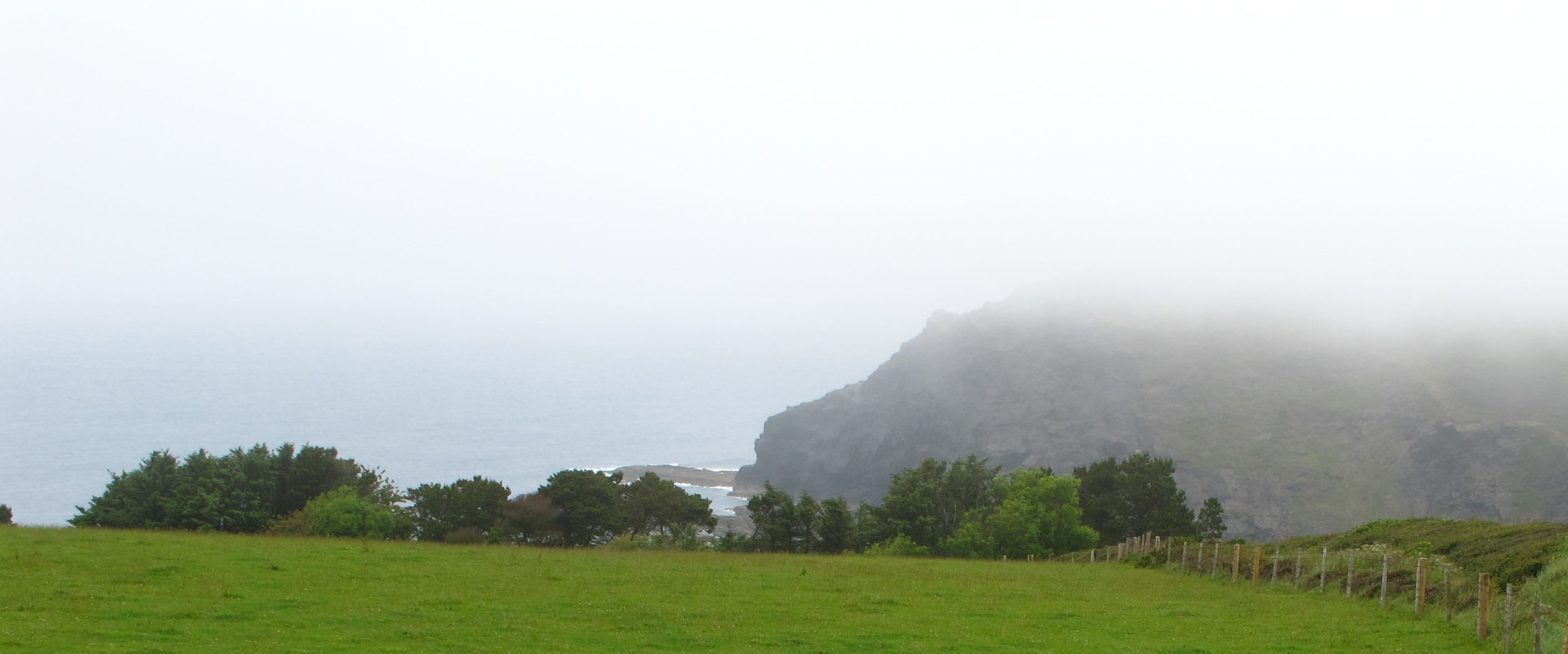
Marginally relevant photo: fog stealing the top of the cliff

Marginally relevant photo: fog stealing the top of the cliff

But for you non-Brits out there, the point is this: Britain’s a real place and part of the same world you live in. That’s another way of saying that it does have crime, and none of it is fun if you’re on the receiving end. Even the petty stuff can feel big. In contrast to the U.S., though, very little of it involves guns. They’re tightly regulated. People who want to get lethal are more likely to pick up a knife, but even so, things can get ugly.

I’m not going to tell you about that, though. I live in a village of some 600 people and I’m going to tell you about what Miss Marple would have to content herself with if she lived next door.


Theft

A few years ago, two men went into the village store in balaclavas. Even in winter the Cornish weather isn’t balaclava-level cold, but that doesn’t really matter since it wasn’t winter. They made the guys stand out a bit.

S. was the only person working there at the time, and when they pulled out a knife and demanded the money in the cash register, she gave it to them. Two of them plus a knife, and one of her? I’d do the same. Then they demanded the money from the post office, which is part of the store but separated by a lockable door and glassed-in window.

Now, the post office in Britain doesn’t just sell stamps. You can start a savings account there. You can buy travel insurance, or foreign currency. You can pay some of your bills. So you might expect it to have a bit of cash. But the village post office is closed on Wednesday afternoons, and this was a Wednesday afternoon.

S. said, “Well you can’t have it, can you? Because it’s closed.”

And they said, “Oh,” and left.

They drove out of the village still wearing their balaclavas and were arrested before they got to the main road. All the police had to do was look for two guys in balaclavas, but in case that got too complicated one of the store’s owners followed them in his own car.

Wild Thing thinks they should be grateful to have been arrested. They weren’t cut out for a life of crime.


Drug smuggling

A few years before we got here, someone tried to smuggle in drugs (I’m not sure what kind, but if I had to guess I’d say cocaine) from a boat. If you don’t live here, you could convince yourself that with all these empty beaches and fields nobody would notice a thing. You’d be wrong. Apparently the police already knew about the plan beforehand, but if they hadn’t somebody would have noticed. Whether they’d have called the police I don’t know, but someone would have seen them.


Arson

A year or two after we moved here, somebody set fire to a telephone box. H., who lived opposite, had done some consulting with British Telecom and told us (several times) that part (or for all I know, all) of his pay was a commitment that he’d always have a telephone box outside his house. I’m not sure why he wanted one, since he had a house phone. Maybe he liked the look of it. Maybe he thought it was good for the village. But you know those tales where someone makes a pact with a genie or a god or the devil and it all sounds great until they read the fine print and find out they got eternal life but not eternal youth or a lifetime supply of cake but it would all be nonfat and dry? Well, he forgot to say “a working telephone box.”

Fast forward to the era of cell phones–or mobile phones, if you prefer–and phone boxes aren’t making money anymore. BT’s getting rid of them anywhere it can. And then someone sets this one of fire.

BT left it in place for a while, fulfilling the letter of the agreement, then they carted it away and H. didn’t protest.

Wild Thing suspects they paid someone to burn it down. Me, I doubt they’d invest the money, but whoever did it hasn’t been caught. In fact, I never heard any rumors about who it might have been. Which in this village is highly suspicious.


More theft

We used to have eggs for sale in several places along the road. They were free range, fresh (or as A. puts is, “Still warm from the hen”), and cheaper than in the supermarket. Plus the money went directly into the farmer or smallholder’s pocket instead of the supermarket’s.

Then someone started stealing the money and eggs. Now most of the egg boxes are gone. I’ve heard lots of speculation about who it might’ve been—a visitor? someone local?—but no one seems to know.


Wild parties

There’ve been two loud dances, which escalated to property destruction (a toilet paper holder was broken) and people harassing the sheep in the nearby field. I can testify that they were loud. Wild Thing and I went to one but stayed outside because it was too painful to be in the room with the band. The rest is hearsay. We left before the party had really gotten going and already people were peeing in the hedges. I don’t know—maybe that’s just part of a good night out.


Other stuff

On a public level, that’s pretty much it unless you count some property destruction. Or rumored property destruction. Stories have a tendency to change shape as they circulate, so I won’t present this one as fact.

We also have some drug use. Or reliably rumored drug use. Sorry, but I stopped doing first-hand research into that years ago. How much is some? Quite a bit. Doesn’t that sound like a more accurate measure, even if it isn’t? No one’s been arrested, so I’m not sure it counts in the crime statistics.

A couple of people have been arrested for drunk driving. And I’ve heard about a theft that apparently involved someone settling an old score. But no one involved the police in that. We’re off the beaten track here. You have to work at it if you want to get arrested.

A couple of years ago, a police car parked on our corner every so often and sat there for ten or fifteen minutes, then drove off. And no, the cop was looking away from our house. In fact, he was barely looking at anything. He did a pretty good impression of someone hiding from a job he liked even less than killing time inside a parked car. The rumor was that it was a community policing effort, although I’d have thought getting out of the car would have made it more effective. Anyway, that lasted a couple of weeks, then he stopped coming.

And then there’s private crime—the kind that happens behind closed doors, within families, and isn’t remotely amusing. Once in a great while these spill into the street and get noisy enough to wake the neighbors. Some of us wonder who it was and eventually someone tells us. The fine art of gossip is alive and well here. Mostly I’d guess that whatever happens inside doesn’t get heard. That kind of crime is as common here as it is in cities, I’m sure, and as unlikely to be known about by outsiders.

We did find out about the guy who was arrested for trying to kill his wife with a knife, but there was no mystery involved. The police came, and the papers ran a story. It wasn’t good for much more than a paragraph. It’s by far the most serious crime I’ve mentioned, but I’ve dumped it here under Other stuff because it’s not funny.

Still, some of us—including me—watched the papers for details. It’s horrible, that fascination, and I indulged as much as anyone else. Miss Marple knew how to harness it, but the rest of us? We just pass the tales back and forth and shake our heads. J. works with a women’s center that deals with sexual violence, putting her head-shaking to good use, but all I do is write the occasional blog post.


The current crisis

Last Sunday night, Wild Thing woke up to hear a crash and a car alarm, then a car racing away. She looked at the time so she could remember it. Why do people do that? Because on TV shows it’s what the cops want to know. Or Miss Marple, only she’d ask if it happened after the vicar took the trash out. (Do vicars take the trash out? I don’t really understand what a vicar is or does, but it sounds good, somehow.)

The next morning Wild Thing told me the exact time it happened, but it involved numbers so I promptly forgot.

It’s all very suspicious. And you heard it here first.

Crime in Britain

Let’s talk about crime in Britain.

On June 14, the newspaper carried two crime-related stories. The first took place on the Scilly (pronounced, yes, silly) Isles.

You have to understand that if Cornwall’s rural, the Scillies are not just rural but cut off by a whole lot of water. The only way to get there is to take a ferry or a small plane to the largest island. From there, you can take a boat to the smaller ones. None of the islands have much in the way of crime, so it made the news when someone slapped a phony parking ticket on a rented golf buggy and upset a tourist. I think a golf buggy is a golf cart in American, but I can’t swear to that because of my sports allergy, which is too severe for me to get near a golf course, never mind learn the vocabulary. Whatever it’s called, it was being used as transportation because forget bringing a car onto the islands. And it was parked, but not illegally.

Irrelevant photo by Ida Swearingen, who's a better photographer than I am.

Irrelevant photo by Ida Swearingen, who’s a better photographer than I am.

The police say they consider the ticket a malicious communication, which can lead to a six-month jail sentence.

First, though, they have to find the culprit.

What else have the local cops been up to? A seal pup had wandered onto the main street (that’s the high street if you read British). They let it go with a warning. They also broke up a drunken fight between two chefs. It was about whether rock salt was better than sea salt.

Tough neighborhood. If you visit, don’t leave your wallet in your back pocket.

Those of you who aren’t British and followed the link may have been struck by the hats. People who want to be cops in Britain have all sorts of personal reasons, but I’ve never understood how they could get past the hats. I know one serving and one former cop and I’d ask them but I can’t think of a diplomatic way to word the question.

But someone will tell me why the hats are great, and that’s what makes a horse race, so let’s move on.

In Islington, a man was arrested for charging his phone from a socket on the London Overground Trains. He was handcuffed, hauled off to a British Transport police station for abstracting electricity, and then also arrested for unacceptable behavior and becoming aggressive. I’m not sure if this second arrest involved a second set of handcuffs and if the additional charge won him a third set, but I’m fascinated by the idea that they didn’t just throw extra charges at him, they rearrested him—presumably before they’d let him go in the first place.

Abstracting electricity carries a maximum sentence of five years. It’s enough to make a person think the phone isn’t all that important, y’know?

The culprit—sorry, the alleged culprit was later de-arrested. Give me back all those handcuffs, you malefactor!

As far as I know, nobody here uses the word malefactor, but the police really, honestly do use the word villain. With a straight face. It’s just, y’know, what they say. So they arrested the villain for abstracting electricity.

And here we should pause and consider the word abstracting. I know you can’t see electricity, but it seems real enough to my untutored mind, not abstract or theoretical or anything. But I didn’t go to law school, so what do I know? I still get thank-you letters from the schools I might have applied to because my grades were good and they just might have had to accept me.

Well. I apologize for not giving you a link to this earth-shaking article, but I read it in the print edition and can’t find it online. If you rely on electronic media and you can spend your life in ignorance of the things that matter. And maybe that means it really is abstract.

In a different week I might have skipped over both articles, but not long before I read them an expat website sent me a survey about crime “where you live.” I think they meant Britain, but since I live out in the country I told them what it was like literally (and I’m using literally in the literal sense of the word) where I live. I don’t usually answer surveys—it’s hopeless; give me two choices and I’ll pick the third—but for some reason I answered this one.

I wrote that a lot of people in our area leave their doors unlocked. Not everyone, but more than a handful. I know people who leave their keys in the car. It keeps them from wondering where they left them. Them being the keys, not the cars, which are still there in the morning. Except for the time two people who shall remain nameless (especially since I’ve forgotten who it was) decided they were too drunk to walk home so they’d have to drive. They’d walked to the pub, but they knew someone nearby whose keys were always in the car. I won’t get into either the wisdom or the ethics of that—they’re too obvious to bother with. Everyone lived and the car was returned.

That’s not the full list of crimes in the village. I’ll write about them another time.

Does my vocabulary look too British in this?

The differences between British and American English are an endless source of—well, pretty much anything you can name: confusion, fascination, amusement, bad temper, accusations (subtle and otherwise) of either ignorance or stuffiness, depending on which side of the Atlantic taught you your rash assumptions.

I’ve written about the differences between British and American English before, which means I’m supposed to slip in a link or ten to tempt newcomers deeper into the blog. That sounds ominous—step deeper into the dark and trackless blog, my dears. But I have to do it anyway. Who am I to defy the rules of the blogosphere? (Note: I already do with my irrelevant photos, and I’m not likely to stop, but once in a while I should behave like a serious blogger.) So here’s the link: This will connect you to a whole category of posts. You can pick through and see what interests you. Or not. I’ll never know.

Semi-relevant photo: What's more English than morris dancing? I like this shot because the guy on the right looks like he's about to brain the guy on the left. Photo by Ida Swearingen.

Semi-relevant photo: What’s more English than morris dancing? I like this shot because the big guy on the right looks like he’s about to haul off and brain the guy on the left. If you squint, the whole thing begins to look like a brawl. Photo by Ida Swearingen.

Where was I? I’m returning to the topic because Karen wrote to say my writing sounded British to her. I asked what specifically struck her that way and she said what “sounds to my American ears not-so-American” were the phrases “‘he wasn’t being immensely clever” and “trying to conduct a bit of business.” 

I’m probably the last person who’d know if those are not-so-American. When I talk, I still sound American enough to get asked if I’m enjoying my stay (well yes, although it seems like I’ve been here for years), but Britishisms have crept into my brain and my speech. I’d like to think I notice them and build walls around them—you know: the kind with turnstiles, so I have to sacrifice a coin before I can get at them—but I’m not sure the system’s working.

In the first phrase, I wonder if what struck Karen isn’t the word immensely, which is formal—a tone I fall into a lot when I’m kidding around, although I’m never sure if it works. On the other hand, clever may be more common in Britain than in the U.S.  Emphasis on may. I’m not sure. But I can call up the sound of an English accent saying “you clever girl” or “clever clogs” (one is a compliment; the other probably isn’t), but I can’t come up with anything like it in an American accent.

What about the second phrase, trying to conduct a bit of business? Bit shows up a lot in British English. Bits and bobs. Or Zadie Smith’s wonderful phrase about nudity in a movie, the dangly bits. Do we use bits much in American? Ask someone if they’re tired and “a bit” wouldn’t be a strange answer, although “a little” might be a bit more common.

Did the bit in that last phrase jump out and sound British?

Conduct again has a formal tone, and although I’d guess it’s used equally in both versions of the language, we (the we here being Americans) do tend to think British English wears a corset (or at least a top hat) while American English slouches on the couch with its feet on the coffee table. That’s because we think everyone in Britain is belongs to the aristocracy. Even when we know better. We know the laws of physics decree that you can’t have an aristocracy without a whole lot of peasants to keep them fed and et cetera’d, but somewhere underneath whatever our good sense we have we still believe the British are all aristocrats.

We (again meaning Americans) are both right and wrong about the formality of British English. It can be more formal. It also can be gloriously rough and informal—like, I’d guess, any language or national version of a language.

Karen went on to write, “Isn’t this a problem writers encounter all the time when they create characters who are ‘other’? How does a woman writer ‘sound’ male? How does a thirty-something author ‘sound’ like a teenager? How does an American ‘sound’ British?”

The answer is that at their best, writers listen, deeply and actively, and learn their limits. I don’t hesitate to write dialog in a man’s voice, or to write from a man’s point of view. We’re not as different as the world tells us we are, and even if we were I’ve lived around men I don’t live with one, but I know what they sound like.

I wrote from man’s perspective in parts of Open Line (and here we go with the links again) and felt that I knew the character well and did him justice. He wasn’t an admirable person, but I ended up liking him. I’d lived inside his head.

Writing the male characters in The Divorce Diet was different. I only got to see them through my central character’s eyes, and if she was fed up with them, so was I. They’re not as fully realized because of the point of view I chose. You can’t tell every story from every perspective. But their dialog? It didn’t feel like a stretch.

But I know my limits and I stay well away from the edges. I’ve watched writers write dialog that goes past theirs. At its best it embarrasses me as a reader and makes them look ignorant. At its worst it comes off as racist. For myself, the rule is this: If you haven’t lived with it, don’t write it. If you don’t know the accent and vocabulary and attitude and life first hand, don’t write it. That doesn’t mean limit yourself to characters who are replicas of yourself. It means know your limits, and if they form too tight a circle, learn more. Live more widely.

Sorry: I’ve expanded the issue beyond vocabulary, but dialog isn’t just about word choice, it’s about the character. And writing about someone from a different demographic group isn’t just about finding the right words. If you don’t know the reality of another person’s life, you won’t write it with any depth or power. Or respect, no matter how good your intentions are.

Maybe that’s why so many male writers have written paper-thin women: They couldn’t see beyond what they wanted from women, or how women affected them, so they couldn’t create any depth in the women they wrote. You can plug other categories of writer and character into that sentence in whatever combination you like, but I have an English degree and ended up reading a dismal lot of paper-thin women. My patience wore thin and it doesn’t seem to be one of those things that repair themselves with time.

But let’s come back to the original question about words. It worries me when Britishisms creep into my brain. Picture me as an auto mechanic and someone’s slipped metric wrenches my toolbox, which would be fine except I work on American cars and nothing but American cars. They’re fine wrenches, but they don’t fit anything in the shop.

I’d love to work on both kinds of car, but I’m just the kind of maniac who couldn’t keep my wrenches apart.

I’ve tried keeping British words out of my head and it’s not possible. My brain loves words, and it vacuums them up wherever it finds them. And as I typed that, a voice in my head supplied the phrase hoovered them up. Because vacuuming’s a brand-name verb here, based on the Hoover vacuum. Like the American word band-aid, which in British is the generic (if, to me, bizarre sounding) sticking plaster.

Some words get planted more deeply because I use them, however hesitantly. There’s no point in asking where the band-aids are if no one knows what I’m talking about. Others plant themselves deeply because they sound good. People here have such a way of leaning into the word bloody that it makes me want to say it myself. If I find myself in the right time and place, cells in my brain jump up and down like popcorn in the microwave, begging, Can we say that? Please can we say that?

The wall-and-turnstile approach to keeping my vocabularies separate hasn’t been a screaming success. I might have more luck if I think of myself as having two toolboxes (or if I run those pesky foreign cars out of my garage), but I doubt it. It’s a problem I haven’t solved.

Any comments on what I sound like to you are welcome. Or on anything else that comes to mind. This should be interesting.

British weather: is everything bigger in the U.S.?

From the July 3 Western Morning News I learned that Americans call the July full moon the Thunder Moon.

We do? I never did. I checked with Wild Thing and she’d never heard of it either. The only moon I ever heard given a name was the harvest moon, and that was only because of the song, “Shine on, etc.” And the writer William Least Heat-Moon, and he’s a person, not a celestial body.

As you might guess, the Westy isn’t the most news-driven of papers, but unless Wild Thing and I are the only two Americans who never heard of a Thunder Moon I’d expect a bit more in the way of fact checking.

Having said that, we’d just had a thunderstorm here in North Cornwall and lost power for a few minutes, and it had led us to compare Midwestern thunderstorms to the ones we’ve seen in the U.K. which strike us as short on drama.

Irrelevant photo by Ida Swearingen

Irrelevant photo by Ida Swearingen

I know, I know. I sound like one of those everything’s-bigger-in-America kind of Americans. I’m not, I swear. I could give you a list of things that weren’t any bigger, but maybe it’s enough to say that I wasn’t. The storms, though? They were. The thunder here rumbles instead of crashes. The lightning tends to stay in the clouds instead of striking down. Yes, we’ve seen lightning strikes since we moved here, but they’re rare, and because of that, memorable. We stood on the cliffs once, watching lightning strike down into the ocean. I was riveted and would have stayed longer but Wild Thing reminded me that we were the tallest things on the cliffs (which is a comment on how low the vegetation is, not on how tall we are) and we’d be the most likely targets when the storm got closer. I was tempted to argue that we had plenty of time but good sense and kindness got the better of me and I followed her to the car.

I do miss those Midwestern thunderstorms. They gather all the energy from half a continent’s heat, then let it loose.

The tornadoes, on the other hand, I wasn’t so crazy about. Wild Thing spent a lot of childhood summers in Oklahoma, in what’s called Tornado Alley, and since she’s lived through plenty of tornadoes she’s convinced she will again. I’ve never been as sure of that. Even after forty years of living with them, when the sirens went off, my body sent out panic signals that didn’t bother to consult my brain.

In spite of that, I never managed to memorize which siren meant this is an early warning and which one meant get to the basement and stay terrified till you hear from us again.

We only went to the basement once. We gathered up the dog and found the cats were already in place. They know. Our basement wasn’t—how can I say this and not sound panicky? It wasn’t a place you’d want to be trapped if the house collapsed on top of you. We believed that basements should be cleaned every twenty years, whether they need it or not, but this being year nineteen we were still coasting. So it would be us, the dog, the cats, the dirt, the junk, the litter boxes, the asbestos lining that was, back then, still in place on our old, old furnace, and who knew what else. On top of that, water leaked in through the walls in heavy storms. Our neighborhood was built—we found out after we bought the house—on what had once been a swamp and wanted to be a swamp again. After a heavy storm, you could walk the alleys and know who had a finished basement by the rolls of soaked carpet waiting to go to the dump. So I pictured the house collapsed on top of us and all our dirt, junk, kitty litter, and asbestos, with the water rising—

And I couldn’t remember which corner they advised hiding in. The southwest? The southeast? Or was it under the stairs?

I looked under the stairs. Some old storm windows were stashed there, so add broken glass to the list.

I was tempted to take my chances upstairs. At least I’d die clean. Then the all clear went off and it all became a funny story.

Tornadoes are strange beasts. They can drive a piece of straw through a tree. They can lift up a house, drop a car in the basement, then put the house back down more or less on top of it. Not undamaged, mind you, but still in place. One that touched down in the Twin Cities picked a bunch of fish out of a Minneapolis lake and dropped them in a St. Paul suburban mall’s parking lot. You could almost think the storms have a sense of humor, although the fish weren’t amused.

Last January, a tornado touched down in London. No, make that a suspected tornado. The damage was minimal (I wouldn’t say that if my garage that been hit, but still, given what’s possible, yes, it was minor) and it wouldn’t have been national news if they weren’t so rare.

The storms you’re used to set your expectations of what storms are. Any tornado in Britain is newsworthy. And the thunderstorm that got us talking about how mild they are here? A couple of friends commented on how wild it had been.

Which brings me back to the Westy and its conviction that Americans call the July moon the Thunder Moon. If anyone’s ever heard it called that, I’d love to know.

More about Charles Causley: a bonus post

In “Tea on the Lawn,” I mentioned the poet Charles Causley, who lived in North Cornwall. It was an aside, but R. emailed to say that she was involved in Causley’s care toward the end of his life and that he was a lovely man.

I never know what part of a post is going to activate someone, and that’s one of the things I’ve come to love about blogging.

Causley “wrote one of the first poems that ever really struck a chord with me,” she emailed, “’The Ballad of the Bread Man’. It was a reworking of the Christmas story. I was eleven or twelve when it was read out at the Christmas assembly at my school. I didn’t know who’d written it, and though it always stayed with me, I didn’t actually come across it in print until after he’d died.”

Irrelevant photo, but foggy cliffs seemed to suit the mood.

Irrelevant photo, but foggy cliffs seemed to suit the mood.

As a result, she never got to tell him what it had meant to her. But that didn’t stop her from talking about literature with him.

“We used to have some wonderful conversations about Laurie Lee, and Ted Hughes and the like. And I remember a Fortnum and Mason hamper arrived at Christmas for him; a gift from his publisher. I was so impressed, and all he said was: ‘Well they do get money from selling my books, you know.’

“He was made Companion of Literature. It was 2001 and he got it at the same time as Doris Lessing. It’s held by a maximum of ten people at any one time, and it’s for life. He said they’d only given it to him because he wouldn’t be keeping it for long.

“He’s extremely well loved in Cornwall.”

She added the following memory to give “an impression of his ready wit, even at eighty-four: I was helping him walk down a corridor and the call bell went off.”

Making a reference to the poet John Betjeman’s blank verse autobiography, “he said: ‘Oh you poor girls – summoned by bells, as my friend John would say.’ “

(I’m not sure how important it is to know this, but Cornwall inspired many of Betjeman’s poems.)

“There was a campaign to have Causley made poet laureate when Betjemen died.”

Tea on the lawn: what could be more English?

Is anything more English than tea on the lawn of a great house? We’ve were talking about stereotypes since I fell for an inaccurate one about Americans, but linking tea on the lawn—especially the lawn of a great house—to Englishness seems like a safer gamble. (Feel free to take me apart on that if I’m wrong.)

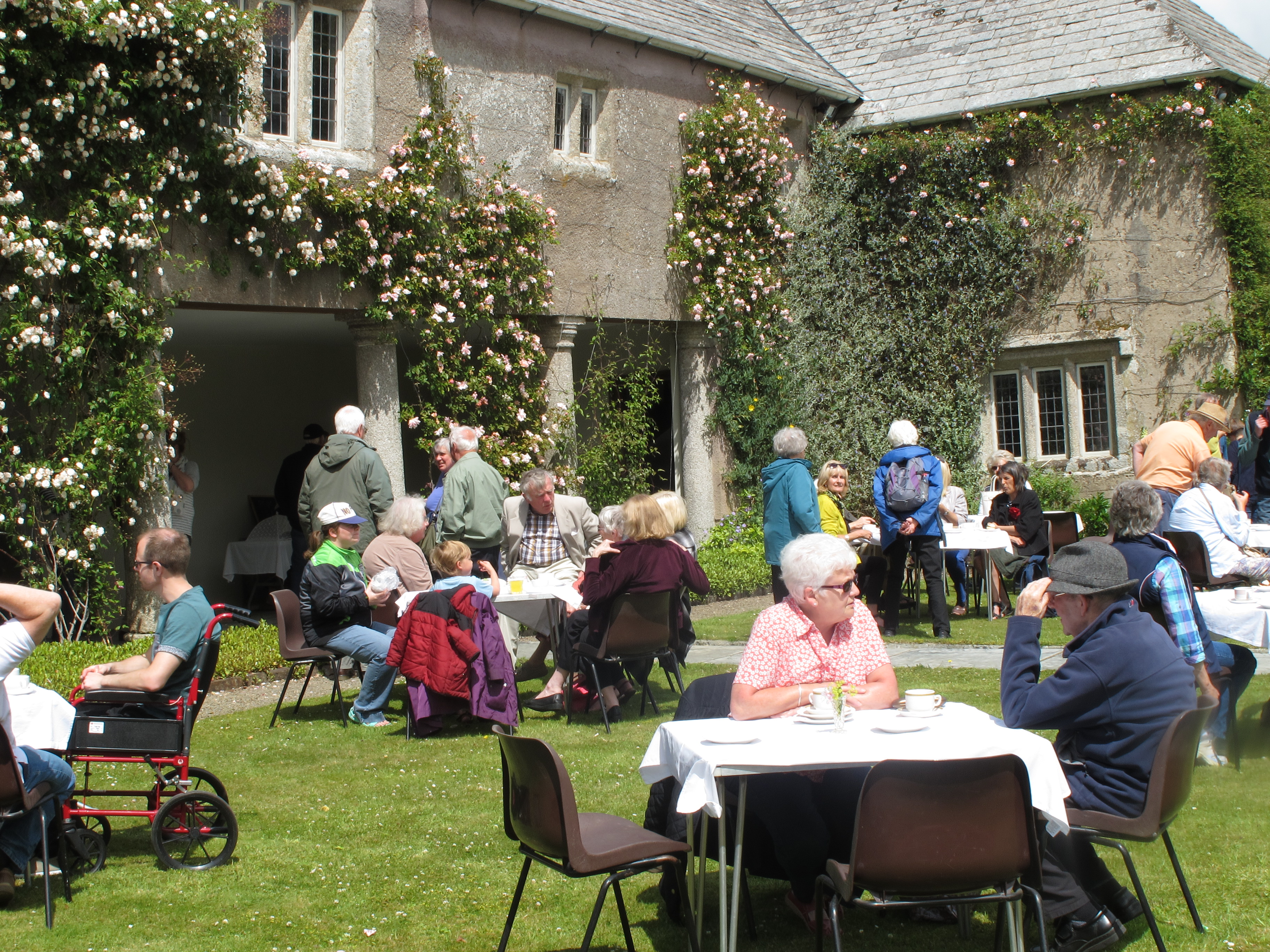
Cream tea at Penhele

Cream tea at Penhele

Recently, Wild Thing and I went to a cream tea at Penhele, a great house not from where we live. It was a fundraiser for the Charles Causley Trust, which (I just checked the website) keeps alive the memory of a local poet and promotes writing in the region where he lived. I’d love to give you a link to some of his poems, but although I’ve been impressed by some of his poetry I didn’t like the only one I found online. Others are under copyright and that makes them a no-go zone. Sorry.

But we didn’t go there to support the Causley Trust. In fact, we didn’t know what the event was raising money for. We didn’t even go for the cream tea, although it was a welcome bonus. What we really wanted was to see the gardens and the house, which are well enough known around here that we ran into half the village almost as soon as we walked in. One of them, J., was a carpenter before he retired (only they say joiner here, or builder, and I’m not all that sure what the difference is) and worked restoring historic buildings. Basically, once he’s done you can’t tell he’s been there. I asked if he knew how old the house was and he pointed to a stone plaque above a doorway in what he told me was the hall. It carried a date in the 1600s—1660, if I remember right. For all I know, other parts are older.

“I worked on those windows,” he said, pointing to the right of the plaque.

I felt like I was sitting next to a rock star.

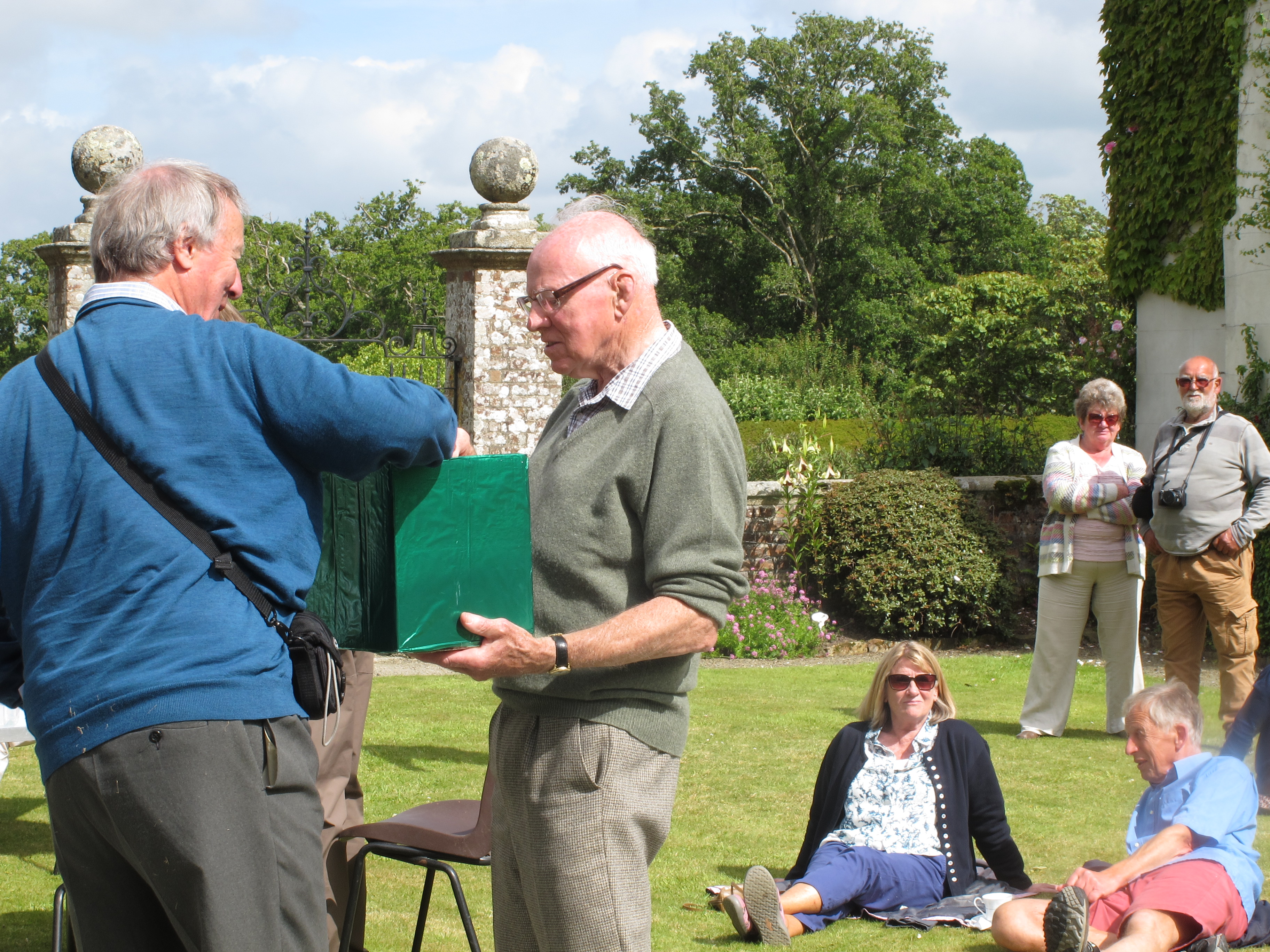
Most of us—maybe all of us—lined up to buy tea and either scones with jam and clotted

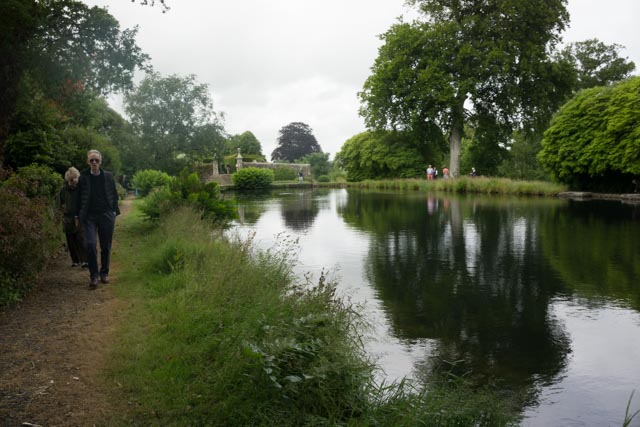
Walking by the lake.

Walking by the lake. Photo by Ida Swearingen

cream (that’s the cream part of a cream tea) or cake, then we drifted along paths and past fields, a lake, a swimming pool (covered), in and out of a series of open rooms formed by a high, dense hedge, and past an empty flowerpot stuck deep into the hedge and looking like a place for someone to hide his or her cigarettes, although I didn’t reach in to be sure since that seemed like an invasion. We paid closest attention to what I’ve learned to call a herbaceous border (you pronounce the H on herb here; I still don’t, but I’ve gotten to the point where both pronunciations sound odd to me), stopping to admire this flower and that one.

penhele 055

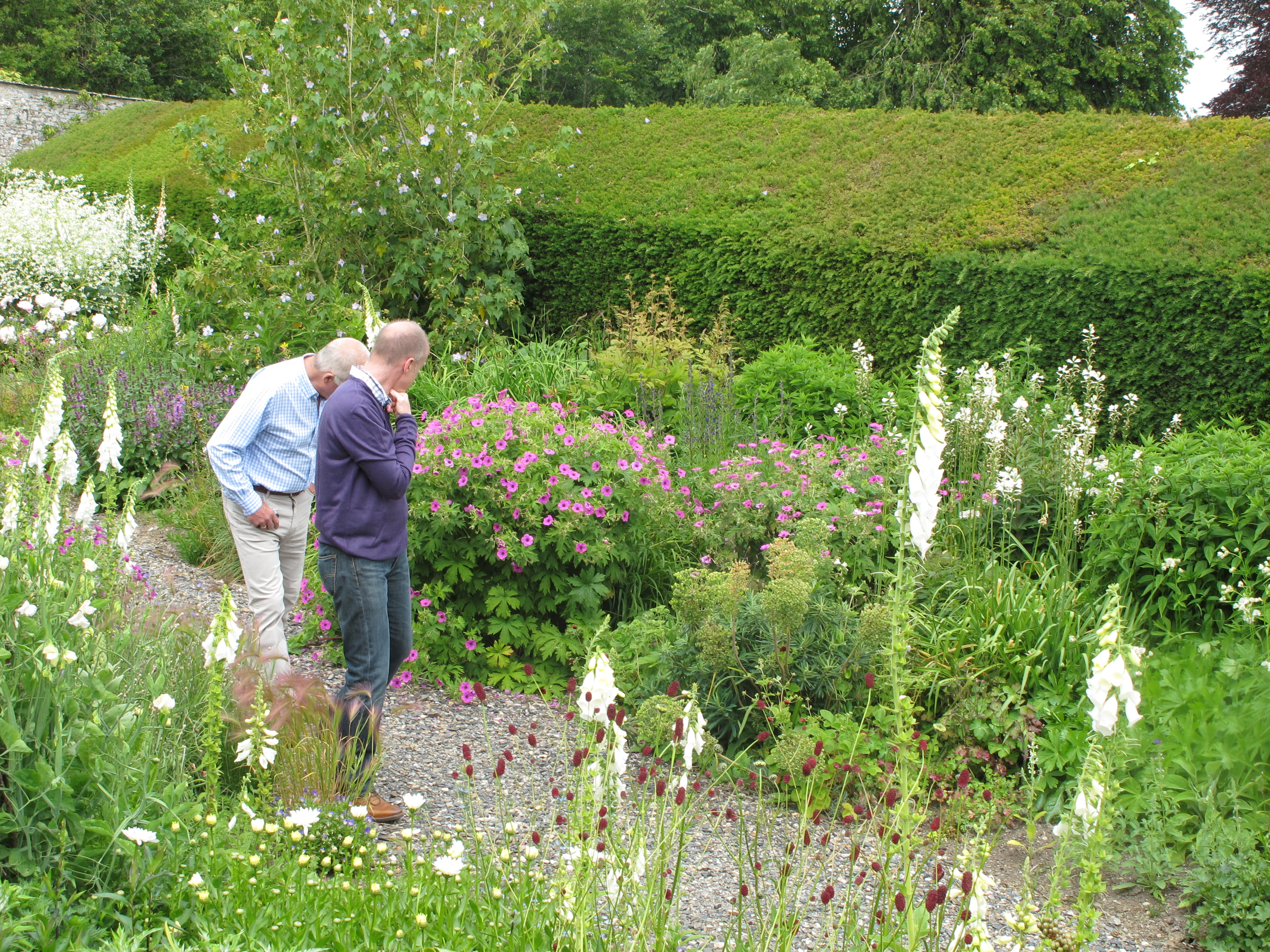
Part of the herbaceous border

According to Wikipedia, herbaceous borders became popular in the Victorian era. They’re basically a bunch of flowering plants—what I’d call a flower bed—and they’re gorgeous but take a lot of work. The Wikipedia entry talks about digging up and splitting and replacing plants, but even more than that they take weeding. Endless weeding.

Did I happen to mention how many weeds Wild Thing and I have grown since I started blogging?

I haven't a clue what the flowers are, so I'm not going to try identifying them.

I haven’t a clue what the flowers are, so I can’t identify them.

I overheard several people saying the same thing that came to my mind: “I wonder how many people it takes to keep it looking like this.” No one had the answer, but quite a few seemed like a fair guess.

It all felt a bit like something out of a BBC costume drama—the great house opened for an afternoon so the villagers could put on their company manners and enjoy a day out. It’s less lord-and-lady-of-the-manor these days, but you can’t help noticing the difference between the place you’re admiring and whatever you call home. Still, whatever people’s feelings were about class and inequality—and I expect they ranged all over the scale—everybody seemed willing to put that aside for the day and enjoy the beauty and the hospitality.

Both class and people’s feelings about class are more open in the U.K. than in the U.S., penhele 061where we break out in a rash if anyone uses the word in any context except middle. And the tradition of a grand house opening its gardens to the public is also something I never heard of in the U.S. Wild Thing and I speculated on whether it dates back to Victorian times or to the medieval period. I’d put my money on medieval, because, as crushing as the lord-peasant relationship must have been, it did lay a few obligations on the lord, and those may have included fetes or feasts.

The inescapable raffle

The inescapable raffle

But that’s guesswork. What’s certain (or as certain as I dare be about anything right now) is that the tradition of great houses opening their grounds for fundraisers is part of an English summer.

At the end of the afternoon came the drawing for the raffle. You can’t hold a fundraiser in Cornwall without holding a raffle. There’s no law on the books, but it’s just not done. So at Penhele they held a raffle. And we didn’t win anything.

British stereotypes of Americans–and my own

In the U.K., Americans have a reputation for bluntness, but do we live up to the stereotype?

In my last post, without even noticing it I went along with the stereotype, and Belladonna Took wrote, “It absolutely fascinates me that you consider Americans ‘blunt and to the point.’ Maybe that’s true over on the East Coast, but here in the Pacific Northwest? Oh dear, hmmm, I think perhaps it may be a little different. (Note: Everything in the preceding sentence after ‘Oh dear’ is Pacific Northwestese for ‘Oh hell no.’ And it’s pronounced in a lilting smiley voice, so I should probably insert lots of smiley faces. Only stuff it, I won’t, because I’m from Johannesburg.)

“…I had lived here two years before it finally dawned on me that when smiling women remarked, “You’re very direct, aren’t you?” they weren’t actually complimenting me.”

Irrelevant photo: flowers growing in a drystone wall

Irrelevant photo: flowers growing in a drystone wall

Well, damn, it’s amazing what I can learn when I listen to people.

Although I lived in Minnesota for forty years, I’m a New Yorker by birth,by accent, and by attitude, and I don’t think I’m the only New Yorker who’s blunt, but having fallen for one stereotype I’m starting to question everything I take for granted. Still, I think that’s what we’re generally like. Not all of us, but enough to set a pattern.

For years after I moved to Minnesota, I felt like a steamroller. With no particular effort and no intention at all, I seemed to leave people flattened on the pavement, and hell, all I was doing was talking. It’s not that I like an argument, but I do like a good, spirited discussion, and to the people I was now around in Minnesota that sounded like an argument. I guess. You’d have to ask them what it was really about, although they might be too polite to tell you, because if New York’s known for its directness, Minnesota’s known for Minnesota Nice: a relentless effort to keep things bland. Smooth that surface, folks, because it’s all that matters.

Years ago on A Prairie Home Companion (and the link’s to the show’s general website, not the specific shows I’m about to mention), Garrison Keillor did some bits about how Minnesotans talk. They were, I think, from Howard Mohr’s How to Talk Minnesotan. One that stayed with me was what a Minnesotan would say to someone using a welding torch on a full gas tank. It was, more or less, “Y’know, most fellas wouldn’t want to do that.”

In Minnesota when you’re making people uneasy, they’re likely to say either “that’s different” or “that’s interesting.” Ditto if you’ve thoroughly pissed them off. It took me a long, long time to understand what the phrases meant.

So I had a hard time those first few years. Or was that the first few decades? From this distance, it seems like no time at all. For a while, I tried toning myself down and ended up furious at everyone. Eventually I gave that up and let people look after their own welfare. They lived through the experience and I was happier, which it made me easier to be around, so I’m guessing everyone benefited. I was never going to blend in, so the only question was to handle my difference.

I’d lived there for several decades when my supervisor at work pulled me aside to tell me I was intimidating other (unnamed) staff members. Not by anything specific I’d said or done, just by my way of being in the world. If it had been something specific, I’m pretty sure I’d have reacted differently, but since this was about who and how I was, I surprised us both by laughing. She was twenty years too late, I told her, because I’d stopped thinking it was something I could change and anyway I’d stopped wanting to change it .

Twenty was a random grab for a largish number, but the rest of it was as true as anything can be in this complicated world of ours.

If you’re looking for a nifty strategy to help you get along with your supervisor, I don’t recommend that one, but to her credit she dropped the issue, and if she held it against me she kept it to herself. She wasn’t a native Minnesotan, but she’d adapted better than I had. So how did she really feel? I had no way of knowing and I was happy enough to leave it there.

At times when we lived in MInnesota, Wild Thing’s translated for me, because indirection isn’t a language I’m ever going to understand well. But she grew up in Texas and indirection is as natural to her as what other people think is an argument and I think is a discussion is to me. When her mother was bone-deep furious at someone, she’d do what she called heaping coals of fire on their head, which meant smiling and being nice to them to prove how angry she was. And, I’m guessing, how much better than them she was.

So, yeah, Wild Thing made a great translator.

One time we’d gotten a—no, I can’t resist it—whole shitload of manure for the garden and it was sitting in a pile by the alley, where I usually parked. And being the let’s-do-it-later kind of gardeners that we are, it sat there long enough that a neighbor said something about it. I don’t remember exactly what, but it had to do with there being a lot of it. Or how long it had been there. And I smiled and nodded and said yes it was a lot and yes it had been a while.

I’m clueless but I’m not unfriendly.

Then Wild Thing explained: The neighbor wanted some, and wanted to be invited to take it. And wasn’t going to ask. Ever. So we invited and she took and we all lived happily ever after.

I’m not sure how much of the U.S., geographically speaking, values directness and how much values indirectness. I’ve only lived in New York and Minnesota. If some of you want to fill in from your own experiences, it would be fascinating.

I can say two things, though. One is that stereotypes are powerful. If they match any tiny breath of experience in your head, as this one did in mine, you can find yourself blown right into a wall on a full-out storm wind. So thanks to Belladonna for providing the wall. I’m grateful.

The other is about the grain of truth in the stereotype. What I think gives rise to the impression of American bluntness is a sort of surface openness. In public, we take up more physical, emotional, and auditory space than the British. I wouldn’t say we’re uninhibited, but we can give that impression. And we recognize different rules of politeness. It’s easy to mistake all that for bluntness.

I offer than last piece especially as a theory, and I’d love to hear what you think of it. Am I anywhere near the mark?

A government decides to promote British values

The British government worries that Britain may not be British enough. It worries so much that the Department for Education has instructed schools to promote British values.

Part of this is meant to counter the lure ISIS has on a (let’s be realistic, limited but highly publicized) number of young people, but I seem to remember that they started talking about British values back when Scotland was voting on whether to leave the U.K. So I’m guessing that some more general unease lies behind the decision.

Let me be clear: I take ISIS seriously. Hell, I take Scotland seriously. What I don’t take seriously are people who think “promoting British values” is a response to either of those very distinct entities. Especially since the British values campaign forces everyone to confront the awkward question of what those values are. I mean, they’re not , say, the flag or apple pie. They’re hard to define.

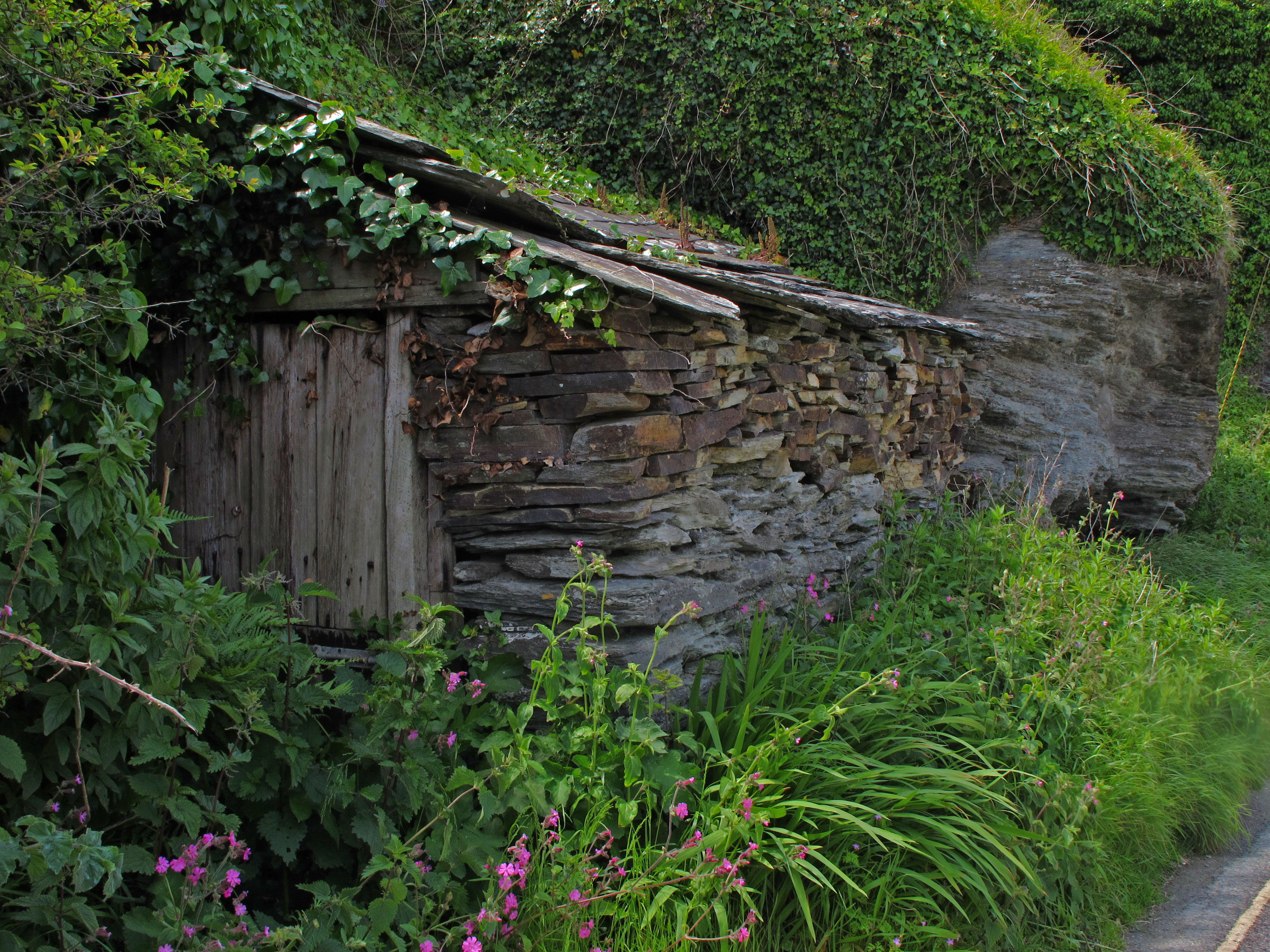
Irrelevant photo: an old shed at Trebarwith Strand.

Irrelevant photo: an old shed at Trebarwith Strand. The pink flowers are red campion. I don’t make this stuff up. Really I don’t.

As prime minister, David Cameron defined them as freedom, tolerance, respect for the rule of law, belief in personal and social responsibility, and respect for British institutions. Nick Clegg, when he was deputy prime minister, added gender equality and equality before the law. Then his party tanked in the elections and no one’s consulted him since. Michael Gove, when he was secretary of education, defined them as democracy, the rule of law, individual liberty and mutual respect and tolerance of those with different faiths and beliefs. Awkwardly enough, in 2007 he said trying to define Britishness was “rather un-British.”

Oops.

Since Ofsted (the Office for Standards in Education, Children’s Services and Skills, which should really be OSECSS) will have the joy of assessing the schools’ efforts, it’s published the official set of British values. They’re democracy, the rule of law, individual liberty and mutual respect, and tolerance of those with different faiths and beliefs.

Can we tolerate people with different, non-British values? Sorry, the question’s too complicated. Ofsted lives in a true/false culture.

Do other countries hold to these same values and if they do are the values still specifically British? Sorry, that’s not on the test and we can’t discuss it now.

Can we tolerate politicians offering three sets of non-identical British values plus one opinion trashing the whole idea of codifying them? Of course we can, because by now everyone’s swung their weight behind the official version and has forgotten that they didn’t always agree. Except possibly Nick Clegg and, see above, no one consults him anymore.

In joyful response to this attempt at unifying the nation’s beliefs, a whole lot of people cut loose on Twitter under the hashtag #BritishValues. According to The Independent, some of the early tweets summarizing the aforesaid values included:

  • Being wary of foreigners while having a Belgian beer with an Indian curry in your Spanish villa wearing Indonesian clothes.
  • Queuing; dressing inappropriately when the sun comes out; warm beer; winning World Wars; immigration & Pot Noodles.
  • Wearing socks with sandals
  • complaining about immigration

The Independent article online was open for comments, and they included a few more suggestions:

  • Seeing a rogue traffic cone and immediately working out the nearest sculpture in need of a hat.
  • Denouncing immigrants, while we have a royal family made up of immigrants.
  • Loving fish and chips even though the potato migrated here from abroad.

The comment thread quickly degenerated into arguments, name calling, and “This comment has been deleted,” so I stopped reading. Instead, I went to Twitter to check out the more recent comments. Not all of them are funny. Some are bitter-edged comments about homelessness and not rescuing migrants in the Mediterranean.  Others are about trash in the hedges and dog-poo bags left by the side of the road. But, hey, we try to keep laughing here, even when the world’s going to hell in a handbasket.  The lighter tweets included:

  • The bloke in front of me just put his entire body weight on my foot & I said sorry.
  • Forming an orderly queue.
  • Pie and chips done properly!
  • Get an exclusive 15% off any order from @TwiningsTea

None of these answers the question (and I do understand that it wasn’t posed as a question) of what British values are, but it does point us in the right direction: Whatever they are, they include an ad for tea and a sense of humor. So brew yourself a nice cup and tell me something silly about British values, would you?

Or American values. Or any other nation’s values. I can’t wait to see where this goes.

Intercultural adventures: Reading road signs in the U.K. and the U.S.

How do the British and U.S. cultures differ? Read the road signs and you can learn a lot.

Ice Badger called my attention to the issue in a comment about calling cats. I admit, the link between the two topics isn’t obvious, but it made sense at the time. So fasten your seatbelt, please, because we’re going to investigate road signs and I hate driving while someone’s bouncing around loose in the back seat.

A few weeks ago, Wild Thing and I drove past a temporary road closure sign on the slip road onto the motorway. I’ll translate that: The sign was about repairs and it was beside the freeway entrance.

Wild Thing was driving, so she asked, “What did it say?”

Damn near relevant photo, from Wikimedia. An American road sign--apparently part of a Highway Department test of dangerous signs. The speed limit isn't really 625 mph, it's 62.5.   Why would anyone bother with .5 mph in a speed limit? Never mind. Someone had fun with it, I hope.) And the edge of the sign went through the windshield in a test crash.

Damn near relevant photo, from Wikimedia. An American road sign–apparently part of a Highway Department test of dangerous signs. The edge of the sign went through the windshield in a test crash. And the speed limit isn’t really 625 mph, it’s 62.5. Why would anyone bother with .5 mph in a speed limit? Don’t ask.

Signs announcing repairs are so wordy here that we’ve stopped trying to read them while we’re driving. They say things like, “We’re terribly sorry to announce that this road will be closed between the hours of 7 a.m. and 4 p.m. on the fifth day of March in the year of our lord 2016 for repairs. We regret the inconvenience but the work is necessary for the smooth functioning of the United Kingdom’s infrastructure.”

I exaggerate only slightly. The repair work is done county by county, so they wouldn’t say “United Kingdom,” they’d name the county. But the fine points don’t matter. If you’re going to write a 500-word essay on a movable sign, you have to use small print, and that in turn means that drivers can’t begin to read it until they’re on top of it. And then they’re past it and they’ve only gotten as far as “terribly.”

When I’m the passenger (which isn’t often; I tend to get carsick and do better when I drive), I try to pick dates or times out of a sea of letters. If I see “p.m.” after the first number, it’s overnight construction and I can toss the road closure into the mental drawer marked “Stuff I don’t need to know” unless we’re planning some late-night driving. If I can’t pick out p.m, I have to shove it into the drawer labeled “Things I don’t know much about but that worry me.” In an odd way that’s good, since it’s overstuffed and this particular worry won’t get much individual attention.

On the other hand, if the road’s going to be closed for days at a stretch, I might actually need to know that and I won’t. So it’s worth a bit of worry. Maybe I’ll lay it neatly on the top layer.

To all of that, the Highway Department (which isn’t called that, I’m sure—I’m importing an American term) says, “Tough.”

Or “We’re terribly sorry, but this is the way we do things here.”

What would an American sign say in a similar situation? “Road Closed, March 5, 7 a.m. – 4 p.m.” Or something along those lines. In large print.

It all goes to reinforce national stereotypes, I’m afraid: Americans are blunt and to the point. Or rude, if you like. Road closed. No apologies and no explanations. The British say about themselves that if someone stands on their foot, they’ll–the person whose foot is being stood on–will apologize, so their signs first apologize and then throw in a bunch of extra words to soften the blow.