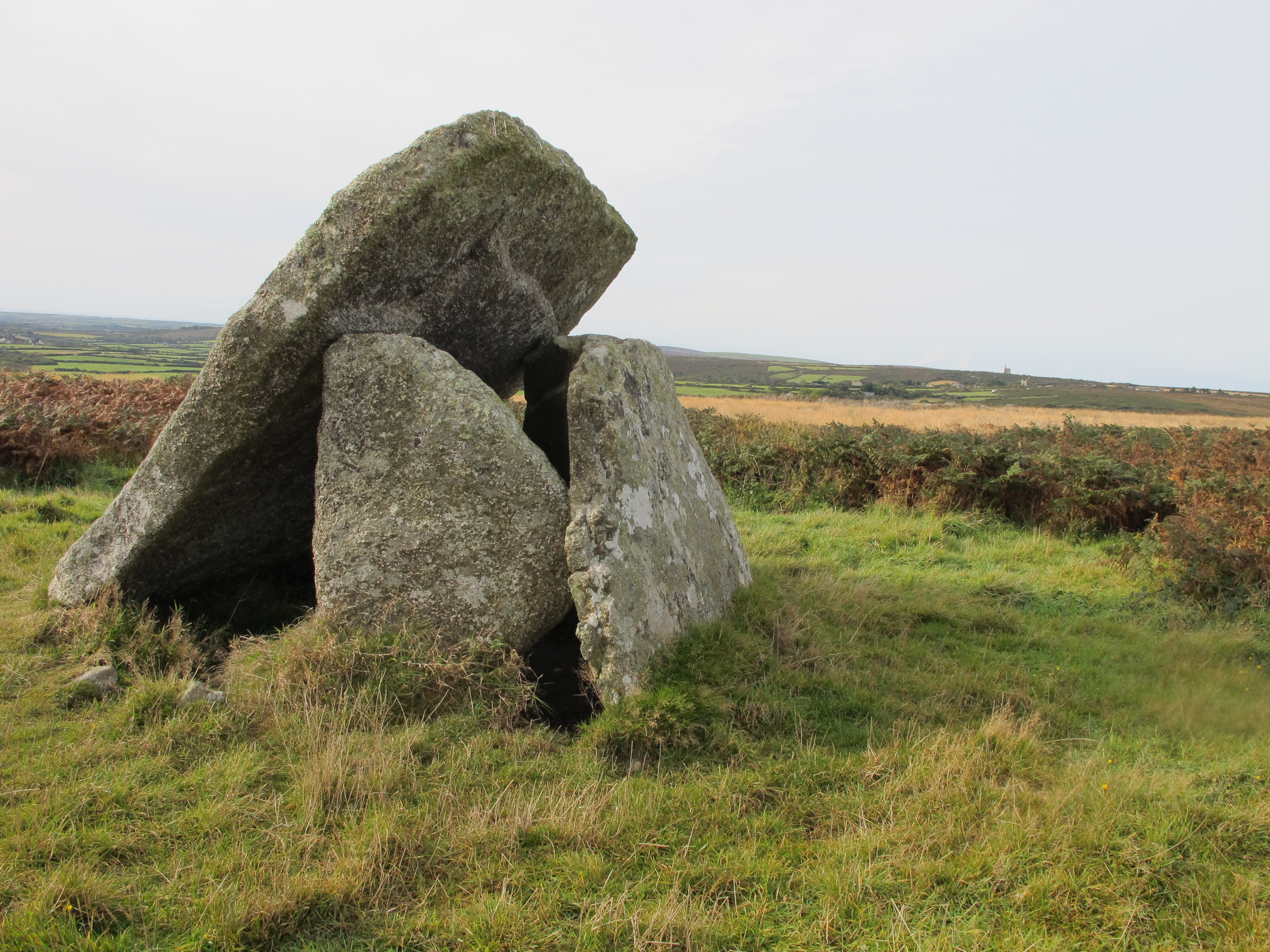
Eating your way across North Cornwall’s landscape

Spring is what people used to call the hungry gap–the time of year when the food they’d by for the winter was running low and the crops were nowhere near ready to pick. So–I’ve been told–people around here turned to the hedgerows and picked what they could.

flowers, haze 018


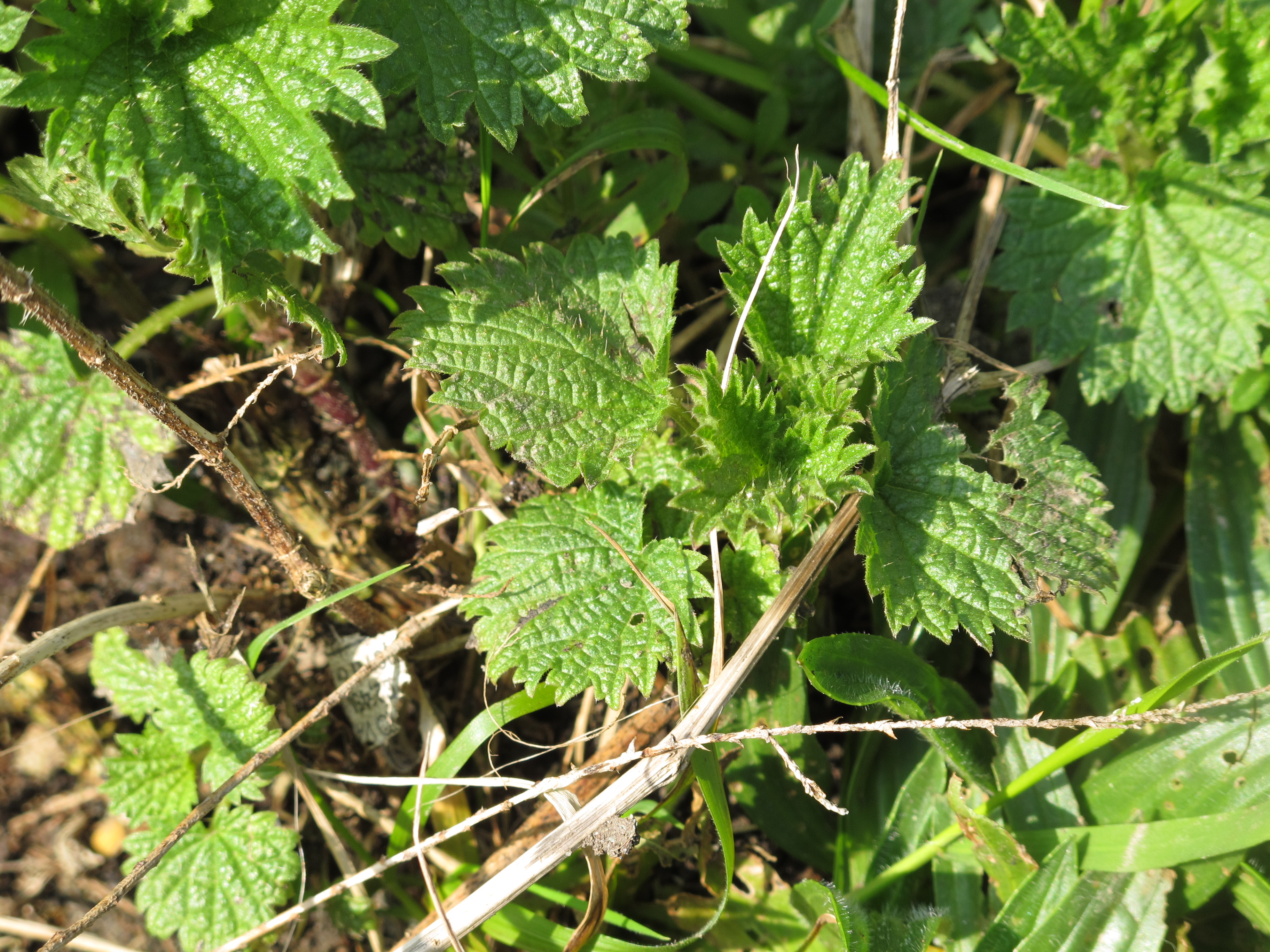
These are nettles–horrible itchy things but they loose their itchiness and are edible as soon as you steam or boil them. You can use them pretty much like spinach, but you have to be careful how you pick them.

flowers, haze 012


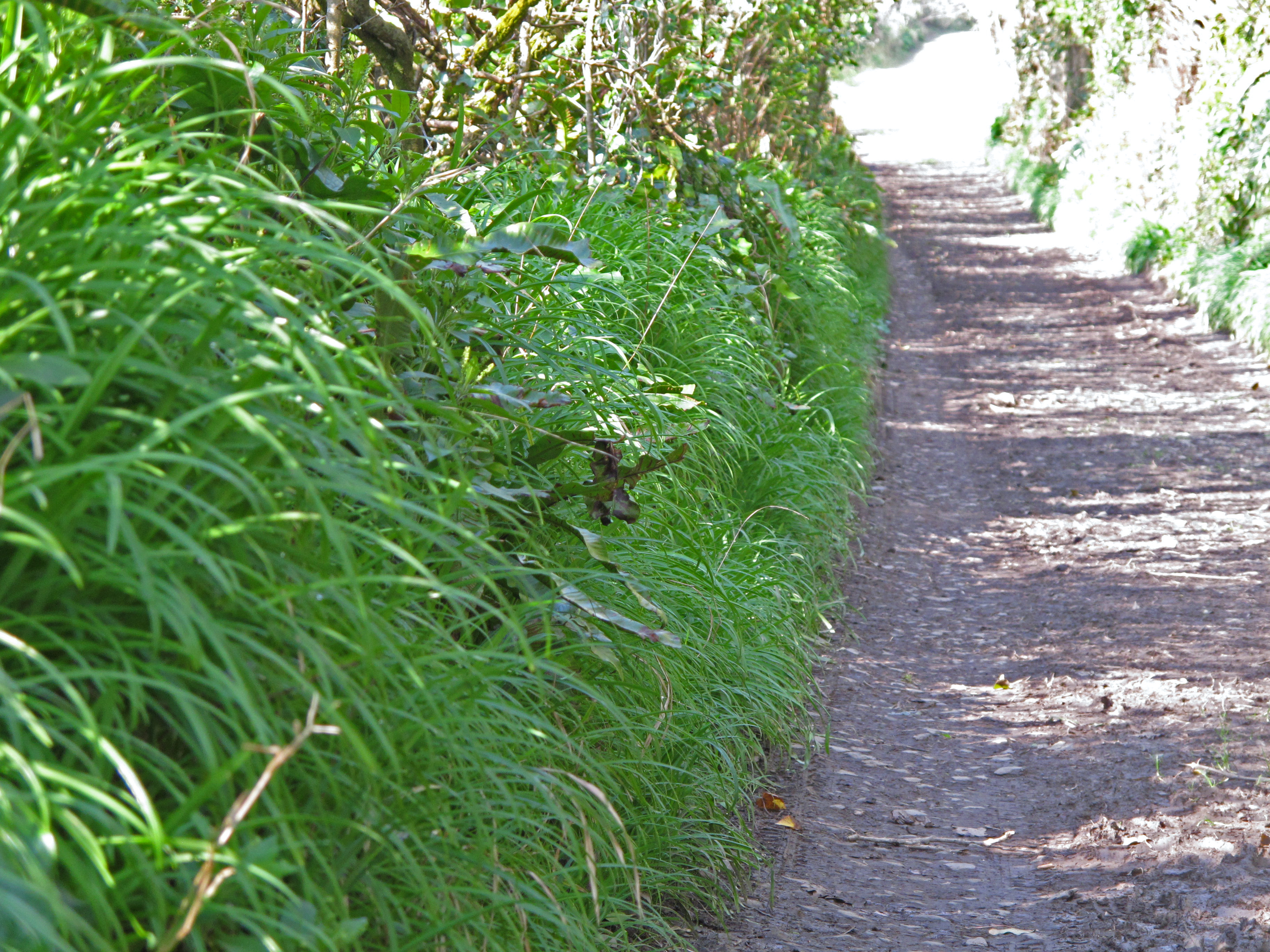
The grassy-looking things are three-cornered leeks. They smell more oniony than garlicky, but all the same I can’t walk past them without wanting a pizza. Good in a salad, or tossed into a pasta sauce at the last minute.

flowers, haze 007

G. tells me this is the ancestor of celery–alexanders. They were brought over by the Romans (or so I’m told; I haven’t been able to confirm that). I’ve never cooked with them but G. has, and he lived to say they’re good. The seed, root, and flower are all edible.

flowers, haze 008

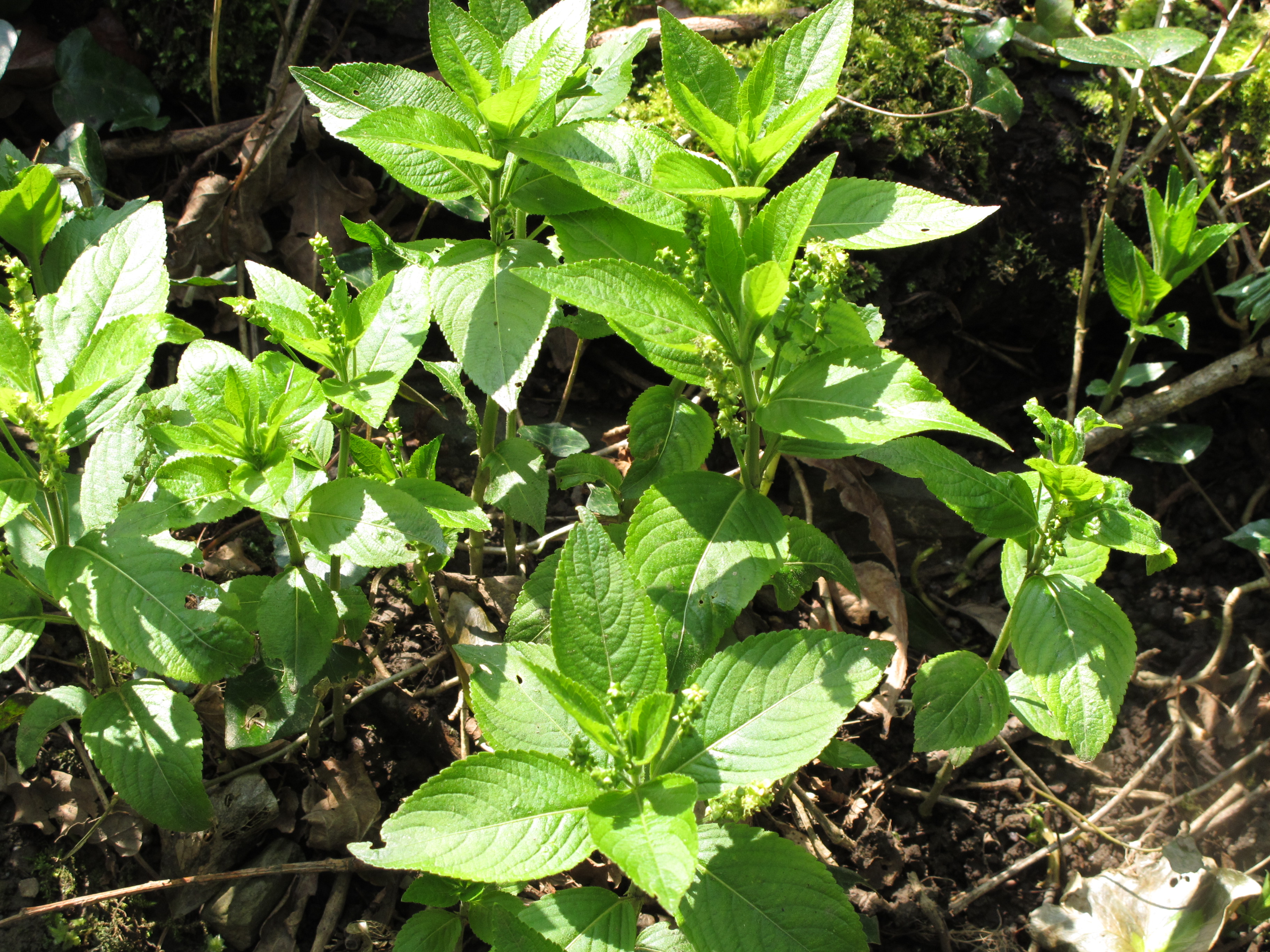
And finally, one not to eat. This is dog’s mercury. M.’s dog eats it, if she can, every spring. She eats it, then she throws up. That’s a dog’s idea of a fun day out. It’s toxic in large doses. The “dog” in the name means the plant isn’t useful. Except to M.’s dog.

Strange British traditions: cheese roll and flaming tar barrels

The other day, Wild Thing and I were talking with friends about the Gloucester Cheese Roll. Unlike an egg roll, which in Britain is an egg on a roll and not (as it is in the U.S.) Chinese veggies and sometimes meat or seafood deep-fried inside a wrapper, this is not cheese on a roll but an event where people chase a wheel of cheese down a very steep hill. (The event is also called the Cheese Rolling and the Cheese Race, but let’s stick with the more confusing name, please.)

In Britain, what Americans call an egg roll is called a spring roll. In the U.S., a spring roll is an unfried egg roll and in case you need to know, I like them better. That’s all as irrelevant as it is confusing, which is why I include it.

For endless images not of an egg roll but of the cheese roll follow this link.

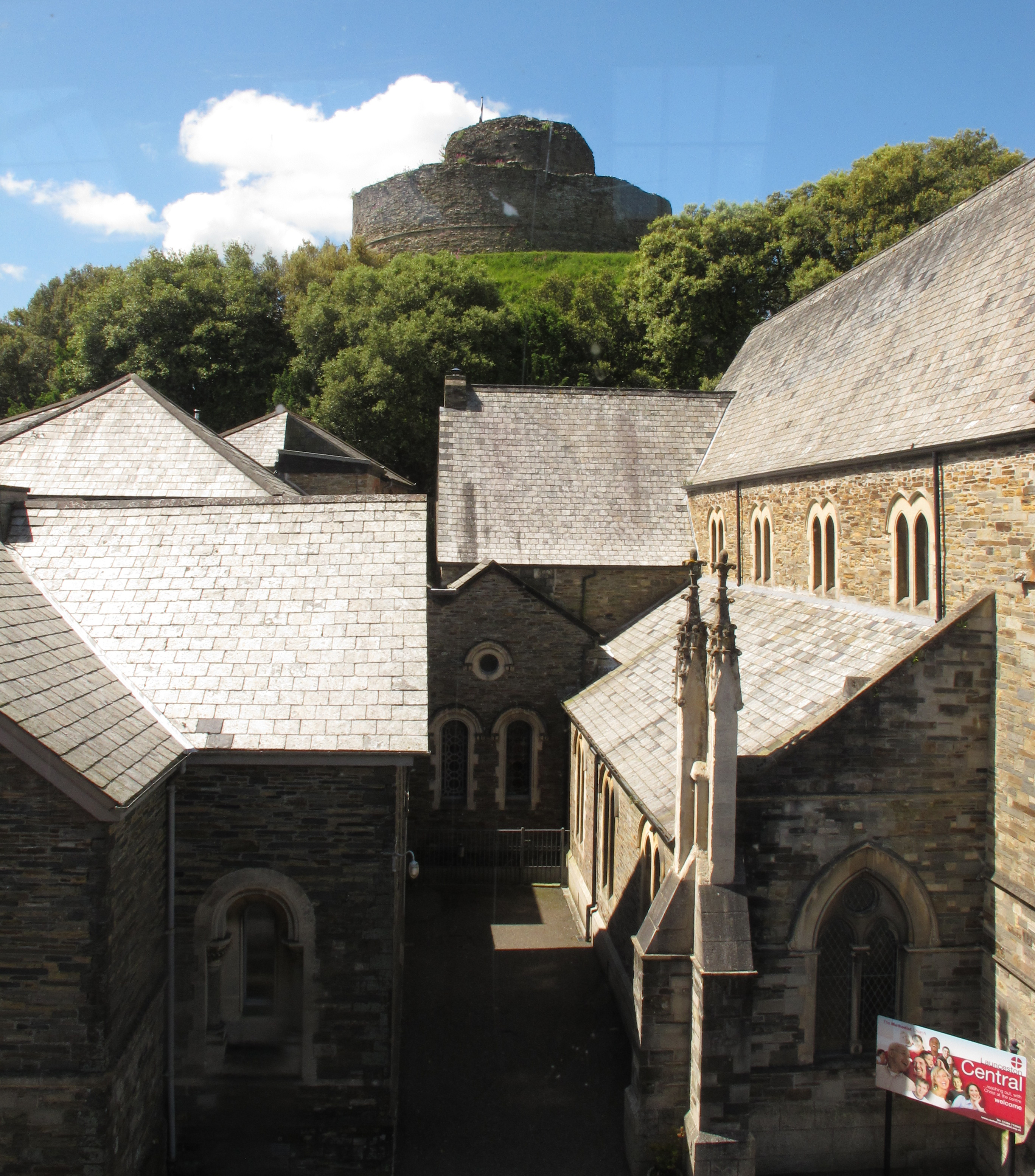
Irrelevant photo: Launceston Castle, with a church in the foreground

Irrelevant photo: Launceston Castle, with a church in the foreground

But back to the event: The winner of the race gets to keep the cheese. The ambulances at the bottom get to carry selected losers to the emergency room, which in Britain is called Accident and Emergency.

That business about the ambulances? That’s not a joke.

“Why,” I asked (and you may need to be reminded at this point that I was sitting around with Wild Thing and our friends), “do people do this?”

“Boredom,” D. said.

Both friends, irrelevantly, have names that begin with D.

“Think of it as a Saturday night in February in a small-town Minnesota bar,” Wild Thing said. “A couple of people go outside and punch each other, then they come back inside and everybody keeps drinking.”

I never lived in small-town Minnesota, but Wild Thing did, so I’m going to have to take her word for this. I do understand boredom, but my way of dealing with it doesn’t usually involve hospitals. So I told D. and D. about our village’s earring fishing contest, which is an ordinary enough fishing contest except the contestants have to use an earring as a lure. It’s been running for a few years. I told them about the Boscastle raft race, in which the teams build rafts but can’t use anything nautical. Last year was its first year. My favorite entry lost. In fact, it sank. It was a picnic table on beer kegs, with a parasol that blew off either before the race started or right after. If I remember correctly, the raft was paddled with skateboards. Still, no ambulances were harmed in the making of either the race or the fishing contest (although the contest didn’t amuse the fish particularly), so I have less trouble understanding them.

From what I’ve seen on the internet, the official cheese roll ended a few years ago, when it couldn’t get insurance, and it’s now organized by an informal (and presumably un-suable) group. The mention of insurance reminded D. (well, one of them) of the flaming tar barrel race in Ottery St. Mary, which went on safely for years, even though people were racing around with, yes, flaming tar barrels, until some idiot tossed an aerosol can into one, and the can did what aerosol cans do when exposed to flaming tar: It blew up. No one—as far as I know—was hurt, but I’m willing to bet a lot of people were scared shitless.

The race continues. I don’t know what they do about insurance. Or aerosol cans and idiots.

The events we talked about fall into two categories: new and ancient. Many of the ancient ones seem to reach back to pre-Christian times and then piggyback themselves onto more recent holidays—May Day; Guy Fawkes Day. You can see the echoes of spring fertility celebrations, of the fall equinox. The tar barrel race is in the fall and you get fire, and days growing shorter. It’s insane, but I do see a connection. The cheese roll, though? It’s in the spring and I may be missing something, but it doesn’t strike me as an obvious way to celebrate the earth’s fertility.

What does it say about a culture that it creates these wonderful, lunatic events? I don’t have a clue, but I do know that they’re not commercial inventions, and they’re not the synthetic creations of a bunch of people nostalgic for the good olde days when knights were bolde and old crones knew the use of every weed that grew in the hedges. They’re created by real people, in place after place. Sort of like weeds, since I just mentioned them. No one plants them; they just grow. If you want folk culture, you could do worse than look here. And I can’t help imagining that they all start in the pub. Go back to Wild Thing’s February small-town Minnesota bar. Boredom plus beer. What could be more powerful? But instead of a simple brawl, these are elaborate events that demand months of planning. Commit-tees. Meetings. Ambulances. Delayed gratification, if you like. Which may be a good thing and may not be. If what you really want is the adrenaline of a fight, you probably fall on the not side. You end up starting a war. Or running through the streets with a flaming tar barrel. Or getting someone else to do it while you stand on the sidelines with a starter’s pistol, you clever devil.

In the interests of learning more about my new home, I hope to get to this year’s cheese roll, and to report back. If all goes well, we’ll discuss the tar barrel race. I make no promises.

The cheese roll is in May and I’m keeping my eye on the calendar.

American baking in Cornwall: baking powder biscuits

I’ve been browsing through too many blogs lately, so I don’t remember where I found the question “what do Americans mean when they say ‘biscuit’?” (I’m paraphrasing. If I didn’t remember to make a note of where I was, raise your hand, please, if you think I had the foresight to copy the actual words. No hands? I didn’t think so.) I left an answer, then thought that in the interest of intercultural mayhem, which I do so much want to promote, I should answer it here as well. So for anyone who (a) isn’t American or (b) is American but is somehow unaware that biscuits are bliss, I’m going to print a recipe. Just as soon as I manage to shut up.

Which may not before a while. Feel free to scroll down if you’re bored. I’ll never know.

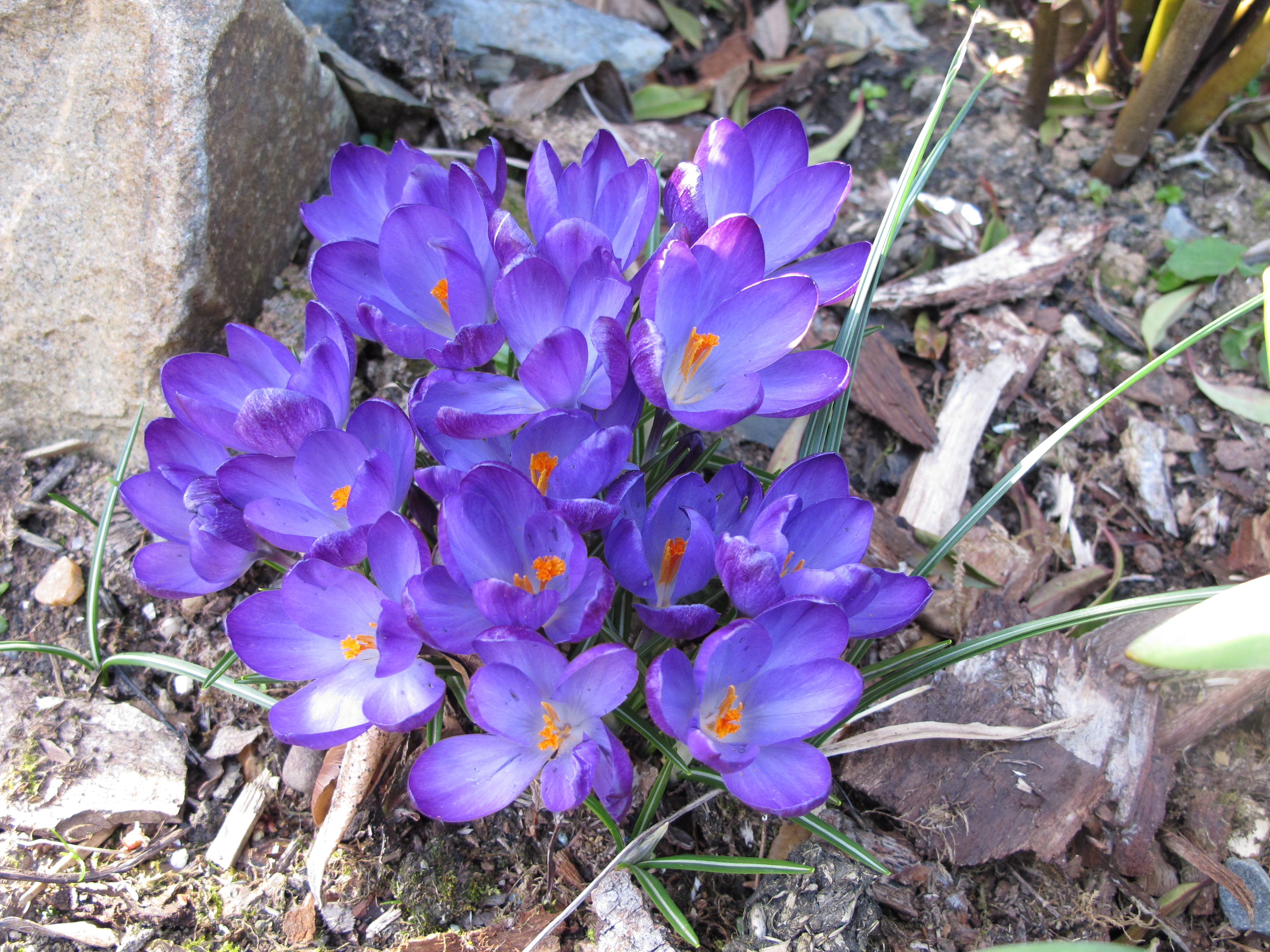
Irrelevant photo: It's spring! Crocuses by our back door.

Irrelevant photo: It’s spring! Crocuses by our back door.

Since I moved to Cornwall and began my campaign to mess with the purity of English cooking, I’ve learned to call biscuits baking powder biscuits to distinguish them from cookies, because that’s what anyone British would think I meant otherwise. Although they also say “biscuits” to mean crackers. While we’re at it, crackers are also something non-edible that show up on the table at Christmas. Are you confused yet? That tells you you’re not British. In case you weren’t sure.

Don’t you just love the English language?

In the U.S., I was more likely to call baking powder biscuits either just plain biscuits or buttermilk biscuits. But let’s stick to the phrase I’m currently using: Baking powder biscuits are a cousin of the scone, but they’re not as sweet. Or if you’re comparing them to savory scones they’re not as—oh, you know, scone-y. Sadly, they’re also not as good cold. The leftovers tend to taste kind of salty. But that only means you have to eat more while they’re warm, because they’re light and glorious then.

I didn’t grow up in the American biscuit zone, which is made up of (a) the South and (b) the African-American community in any part of the country. Those are generalizations, I know, but they’re accurate for the present purpose, which is to say that in spite of my geographical and ethnic limitations, I’ve been around both parts of the zone enough to know good food when I see it, and since Wild Thing’s originally from Texas, learning to make biscuits seemed like a good idea. I mean, if she can not only eat but pronounce both challah and knishes, I can surely make biscuits. She swears mine are better than her mother’s, but I only dare say that in public because her mother’s dead. The difference, I suspect, is that I use butter. You can use margarine if you like, or (probably, but what do I know? I’m a Jewish atheist New Yorker and a distinctly amateur cook, which makes me no expert on the subject) lard or pretty much any other hard fat.

The trick is to use as little liquid as possible—just enough to get the dough to form a ball. Too much liquid and the biscuits will be tough. That much I do know.


Baking Powder Biscuits

(makes 8 or 9)

2 cups flour

1 scant tsp. salt

2 tsp. baking powder

½ tsp. baking soda

1 tsp. sugar

2 ½ oz. (5 tbsp.) butter

¾ cups (approximately) buttermilk or milk with vinegar * (see note below)

Sift the dry ingredients together—or if you’re as lazy as I am, dump them all in a bowl and take a whisk to them. I swear it works just as well. Cut in the butter  or crumble it in with your fingers. Your fingers will warm the butter, so cutting it is better. If you can find a pastry blender, that’s ideal. Don’t lose sleep over how small the bits of butter are; as long as you don’t leave it looking like gravel, it’ll be fine. Stir in just enough buttermilk to form the dough into a ball. Knead if very briefly—no more than 30 seconds—just to bring the dough together fully .

Dust your counter with flour and roll the dough out so it’s about ¾ inch thick. Understand that I’m making up the thickness. Mine vary all over the lot. Cut into rounds with a biscuit cutter or a glass. (My biscuit cutter had a diameter of 2 ¾ inches. Just so’s you know.) Set them on a greased baking sheet, which in the U.S. I called a cookie sheet. It doesn’t matter if they touch.

Bake in a 450 F. / 220 c. oven for 10 to 12 minutes.

Since the thickness of my biscuits varies from batch to batch, I pry one open to make sure they’re done in the center. You’ll want to split them when you eat them anyway, so it doesn’t show.

Eat warm with any combination butter and/or honey, jam, or gravy.


* If you don’t have buttermilk (and it’s not as widely available in the U.K. as it is in the U.S.), you can add some vinegar to the milk—roughly one teaspoon to a cup seems to do it. I sometimes add more. It doesn’t seem to be finicky. Just don’t use a flavored vinegar, or a red one unless you want pink biscuits. White or cider work well.

An American gives directions in Cornwall

Something notable happened the other day: A guy in a landscaping van stopped while I was walking the dog and asked for directions, and even though he heard my accent (yeah, well, how could he not hear it?), he drove in the direction I suggested.

I should mark the date on my calendar so I can celebrate it next year.


Avoiding quaintness in Cornwall

“I can see how easy it is to think of us as quaint,” J. said, having read I can’t remember which of my blog posts.

I admitted that I was stretching the quaintness and she admitted that she understood that and we’re still speaking, for which I’m grateful because I like J. But the comment stays with me. I’m not sure if she was amused, hurt, critical, or some mix of them all, and I didn’t think to ask.

I’m not sure how I feel about the conversation, either. Is quaint even the right word? I do look for things to laugh about. Does that end up painting a picture of quaintness? I’m not sure, but I hereby officially admit that I’m exaggerating when I write about Britain. Or as a karate teacher I used to study with liked to say, over-exaggerating. Not by making anything up, but by ignoring the counterbalance: both the oddities of the U.S.—my home country—and the ordinariness of Britain.

Irrelevant photo: Early flowers. Damned if I remember what they're called.

Irrelevant photo: early flowers. Damned if I remember what they’re called.

But foreigners are always tempted to do that. The mailboxes are a different shape? How quaint! How charming! Or, if you’re looking for something to disapprove of, as some people are the minute they’re out of their comfort zone, How backwards! How ignorant! Mailboxes should be square, with a rounded top.

Besides, it’s harder to see the oddities of the culture you’re used to. That’s one of the gifts that being an outsider brings. Drop me back in the U.S. after almost nine years in the U.K. and I expect things I took for granted would look odd. But I’m not there. I work with what’s in front of me, always trying to remember my own absurdity as well, and if possible put more stress on that than on anyone else’s.

So for the sake of balance, here’s a list five of non-quaint things that happened recently.

  • The sun rose this morning. It has no accent, respects no borders, and is not impressed by anyone’s nationalism. Thank you, sun. We all need to be reminded.
  • My car’s oil pressure is low and I left it with the mechanic. [This actually happened a few days ago, but I’ll leave it in the present tense for the illusion of immediacy it creates—and out of laziness.] Probably my fault (bad car owner, wicked car owner). I’d let the oil get low, but I don’t think it was low enough to account for idiot light flashing on. This is distinctly un-quaint, and I feel distinctly idiotic.
  • The mechanic just called. On Wild Thing’s phone, which is the number we gave him. That seemed to make sense at the time—never mind why—only Wild Thing’s not home right now and she couldn’t give me the number to call him back because it’s on her phone and she was using the phone to talk to me and yes, she could have hung up and written it down and called back but she doesn’t have a pen with her. Or paper. And the phone numbers here have a shitload of digits; they’re hard to remember. I’d look the number up but it doesn’t belong to a shop. The mechanic’s a local guy working out of his garage and using his cell phone. Besides, I don’t actually know his last name. Everyone around here swears by him and the garage I’ve used up to now just screwed something up for me. So Wild Thing called the mechanic to give him our home number, but he was on the phone too (it happens that way sometimes), so he couldn’t enter the number. All of that could happen anywhere. I’m not playing quaint with this, although I could. It’s just what happened.
  • A couple in the village are coming up on their golden wedding anniversary. Yay them!
  • I’m trying to remember how many years a golden anniversary marks. If I have to bet, I’m putting my money on fifty. Google could find someone who’d be happy to let me know, but I’d rather be amused by my ignorance.
  • I am, not uncharacteristically, cheating on this list since points two and three are related and four and five are are too. Which is why I’ve added this as a bonus point—six items in a list of five. You can’t say you don’t get your money’s worth out of this blog. Which is a double negative, giving you even more bang for your buck.

Winter in Cornwall, Winter in Minnesota

It’s winter here, and it’s behaving the way winter does in Cornwall. I can’t bring myself to say it’s cold.

I lived through forty Minnesota winters, but through all that I never really was a Minnesotan, I was a transplanted New Yorker, but there’s nothing like transplanting myself again to let me know exactly how much of a Minnesotan I became. Because this isn’t cold. It’s chilly, yes, but that’s as far as I can go.

A quick break here for anyone who’s not sure where Minnesota is: Fold the US in half from north to south and it’s right there on the fold, up by the Canadian border. Okay, more or less on the fold. I haven’t actually tried this, but you get the idea. It’s inland, it’s north, and it’s cold beyond anything I ever imagined as a kid in New York City.

Minneapolis after a 15-inch storm in 2010. The Metrodome roof collapsed under the weight of the snow. Again.

Not Cornwall. This is Minneapolis after a 15-inch storm in 2010. The Metrodome roof collapsed under the weight of the snow. Again. Photo by Kevin Jack

Minnesotans talk about Minnesota macho, and that doesn’t have anything to do with bullfights or bar fights or street fights, it has to do with the cold. The high school kids who wait bare headed for the bus at twenty below, their ears daring the frost to bite them? They’re an emblem of Minnesota macho. The auto mechanic I used to know who refused to own gloves (or a hat, while we’re at it), even when he had to work on a car outside in January? You got it. We all had our own version of it, even those of us who went out in so many layers of clothes that we couldn’t lower our arms to our sides. We might look like giant fire hydrants, but we all found some small way to defy the cold—or to tell ourselves we had. Some days, just getting to work qualifies you: You dig out the car; you start the car; you drive the car over ice or snow without having a wreck. Or you wait for the bus. It’s heroic, all of it. There are days when you’d be forty degrees warmer (that’s Fahrenheit) it you sat in your refrigerator. And you could have a snack while you were at it.

Minnesota winters drive people to all sorts of extremes. If you talk about getting cabin fever, everyone knows what you mean: You’ve been stuck inside too long and you’re getting a little strange. When I worked for a writers organization, we gave the winters credit for the number of writers the state produced. This year’s winter has driven P. to working literary jigsaw puzzles. He writes, “As Ezra Pound wrote, ‘Winter is icumen in. Lhude sing goddamn.  Stoppeth bus and sloppeth us. Sing goddamn,’ etc.

“If April with his shoures soote pierces the drought of March, it’ll be a fooken miracle.”

Umm, yes. I guess that’s true. But I’m in Cornwall, and last night we had (gasp, wheeze) a frost. Yes, folks, the temperature dipped one or two horrifying degrees Fahrenheit below freezing. Not only that, some white stuff fell out of the sky in the late afternoon, and since it didn’t stick I’m willing to admit that it looked very pretty while it did it. And the weather folk on radio and TV were all cranked up about it: Cold! Snow!

Well, okay, north of here the weather may be doing something vaguely serious. I’m not there and I can’t say. Cornwall’s the southern bit of the UK, where Britain sticks its toe into the Atlantic, so it’s warmer than the rest of the country. But I listen to the weather forecasts and I swear, even after eight—almost nine—years, I fall for it. I’m ready to wrap myself in a quilt before I go out, since I gave away my winter coat when I left Minnesota and my current one would barely stand up to a Minnesota spring. Then I look at the numbers and realize I’ll be fine. Last night we slept with the window open (that’s for one of the cats; he campaigns all night if he’s locked in), and no heat, thanks. It was fine.

So when someone says, “It’s cold,” as surely they will at some point during the day, I’ll manage to say, “It is chilly.” And I’ll make it sound agreeable, almost as if I’m agreeing, but I’m not exactly.

Singing up the sun: A late report on an early solstice

The winter solstice celebration came to Cornwall early this year. No, the earth’s tilt hasn’t changed and the days hadn’t stopped growing shorter, but a group of people around here gather to sing up the sun on the summer and winter solstices and—well, the pub couldn’t handle that many breakfasts on the actual solstice, so having weighed the sun’s schedule against the pub’s schedule, the group met a day early. Or was that two days early? I’m the last person to trust on this kind of information, but what matters most in life, breakfast or accuracy?

Breakfast.

Stone circle at Minions

Stone circle at Minions

I’m not sure if I should say “they” or “we” as I write about this. I’ve joined the group twice now, but by definition it involves getting out of bed in the dark, so I’m a fringe member—always on the verge of rolling over and mumbling, “Next year.” So let’s go with “they.”

The place they meet is on the moor, where three ancient stone circles were built one right next to the other. Last year, a group of archeologists and volunteers uncovered an ancient pathway between two of the circles, then documented it and covered it back up, since that’s the best way to preserve it.

Not only is the place packed with ancient monuments and atmosphere, it’s also windy. The moors are like that. If there’s any wind at all, you’ll take a pounding. So it was cold and we didn’t stay out long, but we stood in the midst of the stone circles and sang, and the harmonies were beautiful. And in response, the sun did what it always does, which is to come up when it’s damn well ready. On this particular almost-solstice morning I’m sure it did come up but we couldn’t really tell. It was cloudy and anticlimactic and we walked to the pub and ate breakfast, but the harmonies really were beautiful and I’ll probably drag myself out of bed at silly o’clock when the summer solstice comes around.

Walking the Footpaths in a Cornish Village

On Sunday, I joined the Parish Plod, an event whose aim was to make sure every footpath in the parish was walked in a single day. It’s not a traditional event, but I’m guessing it could turn into one.

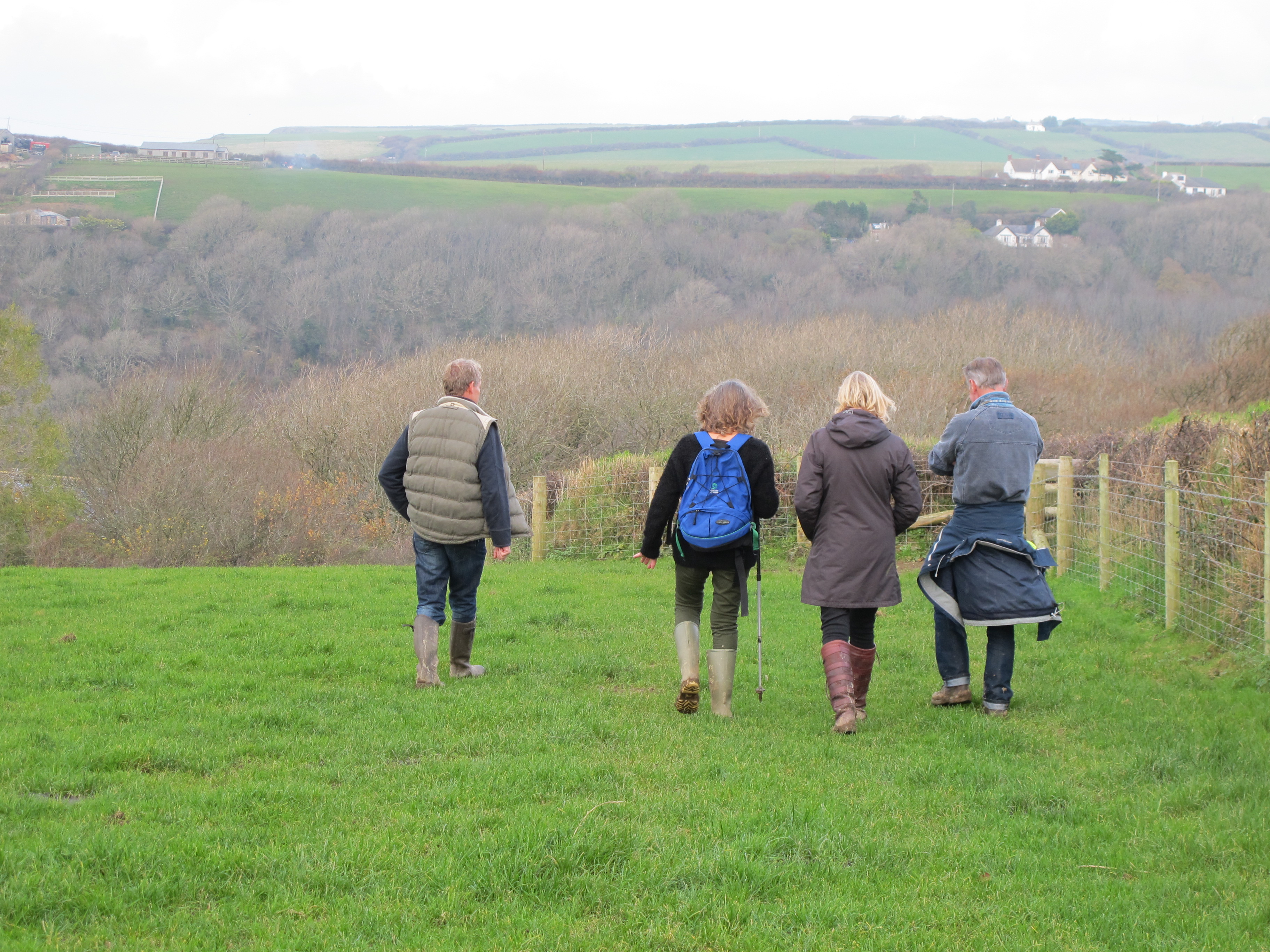
We broke into five groups, followed our assigned footpaths, reported back on work they needed, and drank caffeine at one of the beach cafes (and one lucky group stopped at Wooda Farm, a midway point on their route, for homemade cake).

The Parish Plod

The Parish Plod

Eventually, as so many things do, it ended at the pub, at least for some of the walkers.

A word about footpaths in the U.K.: Forget your castles, your cathedrals, your stone circles—the footpaths make me feel I can almost touch history here. I’ve followed paths that have been walked not just for centuries but for thousands of years, and they’re still in use. People walked them before running shoes were invented. Before maps. Before metal. Before pubs, even. The people who built the stone circles walked them, and they saw at least some of the same wildflowers. (Land use patterns and imports would have eliminated some and added others, but some would have been the same.)

These footpaths are protected public rights of way, giving walkers the right to cross private land. They take you across fields, through herds of cattle and sheep, through mud that comes up to your ankles and fights for your boots, along the cliffs by the coast, and sometimes through a farmyard or past someone’s front windows. Some landowners hate them, but if you buy a house with a footpath, then you own a house with a footpath. It’s like owning a house next to a road: You don’t get to move the road just because you’re not crazy about the traffic. In 2004, Madonna butted heads with the laws governing footpaths after she bought a modest little mansion whose land included a footpath, and she came away with a bruised forehead when she tried to close it.  She did win the right to limit people’s access to parts of her land, but ramblers (as dedicated hikers are called) kept the right to cross it.

parish plod 004

Cattle making sure we left their field as we found it.

Many of the old footpaths have been lost, so the ones left in our parish don’t entirely link up, but the ones that are left are a real asset, loved by both tourists and local residents.

The group I went with got back to the café first (we had the shortest route), declared ourselves the winners, and waited for everyone else to straggle in. I brought the dog down to the stream and washed the mud off her, then we came back equally wet and cold, so at least I hadn’t done anything to her that I hadn’t done to myself.

I’ll be surprised if we don’t do it again next year.

The Writing on the Sidewalk of a Cornish Village

Either I’m engaging in antisocial behavior or I’m the last defender of decency in Cornwall. Some days it’s hard to tell.

Wild Thing and I live on what’s called the estate. If you’re American, that sounds all grand and Downton Abbey, but what it really means is “the subdivision.” We live in a tiny fragment of suburb, even though we don’t have a city to be suburban to. Our village is spread out—a village without any center—so this is the most densely populated bit. By dogs as well as humans.

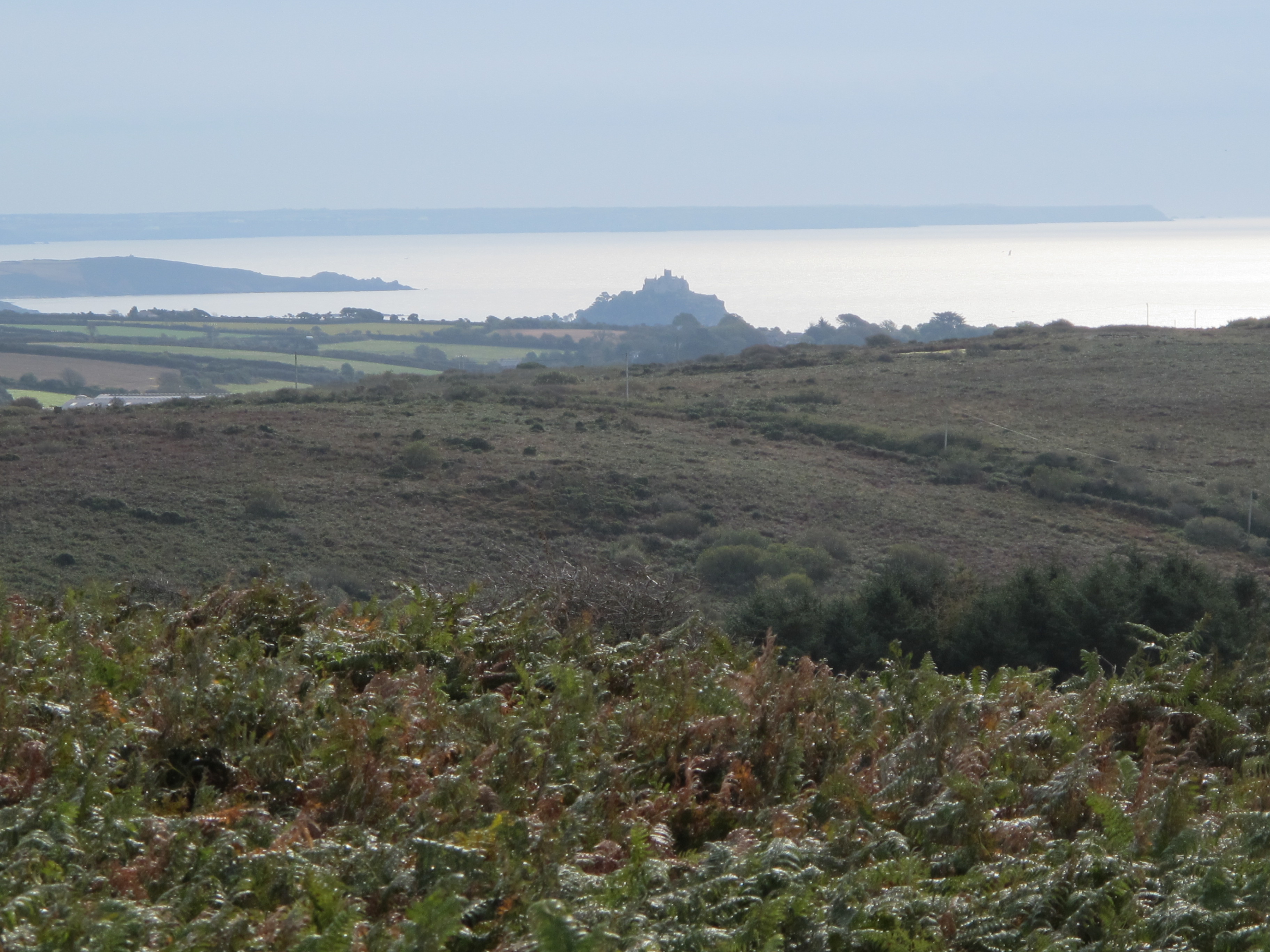
Irrelevant Photo: A view of the south coast and St. Michael's Mount

Irrelevant Photo: A view of the south coast and St. Michael’s Mount

Yes, dear ones, I’m writing about dog shit, and I’m not going to call it poo because I just can’t. When I first moved to Minnesota, I heard a wonderful phrase: “She wouldn’t say shit if she had a mouthful.”

Well, I don’t have a mouthful, but I did skid through the stuff and come away with a shoeful, and I can’t see why I should call it anything else. It’s not a beautiful word, but then the shoe wasn’t looking so good either.

Shit was the mildest word I yelled. I’m sure someone was behind a window saying, “Oh, that’s one of the Americans.”

Never mind the language, though. The important point is that somebody hasn’t been cleaning up after their dog.

I know two things about this dog: It’s large and it likes to spread its bounty as far as it’s physically able. I walk with my eyes on the sidewalk these days, the way I did as a kid in New York, before dog owners were expected to clean up after their dogs. My family had a dog. We thought we were being good citizens because we got him to shit between the parked cars. In fact, back then the city put up signs saying “Curb your dog.”

After the shoe incident, I bought myself a box of chalk. Then I waited.

Several days later, I found another deposit. Right by the red metal box that everyone (even me) calls the dog poo bin. I knelt on the sidewalk and chalked, “Clean up after your dog, please.”

I stepped back to admire my work. I’d forgotten the your, so it actually read, “Clean up after dog, please,” as if a computer translation program had written it. I used to work as an editor, so that missing word bothers me, but it did get the point across. And at least I hadn’t forgotten the please.

Good manners are more important here than good grammar. No matter how ungrammatical—or, for that matter, rude—a note you tack up somewhere, you can make it okay if you write “Polite Notice” at the top. I can’t tell you how many signs I’ve seen that declare themselves Polite Notices. Even if you were to say, “Pick up after your dog, you miserable, lazy, unclean excuse for a human being,” if you also said it was a polite notice, it would be okay.

And even if the rest of your wording is polite, you still have to open with “Polite Notice.” Actual politeness isn’t what matters. You have to remind everyone that you’re being polite.

I didn’t open with “Polite Notice.” I didn’t figure a chalked notice on the sidewalk had to, but then (as I’m often reminded) I’m not British. Wild Thing’s sure that what people mean when they say that is that we just don’t get certain things, and that the speaker feels sorry for us. I’m not sure she’s right. I tend to hear it as a statement of fact: We really aren’t British. Or we are—we’re citizens—but on some deeper level we never can be.

I don’t necessarily want to know how the speaker feels about this.

So it’s hard for me to be sure how significant that missing “Polite Notice” is. I may have offended someone other than the dog walker, but I can’t tell. I’m not British.

Consulting the Internet and the Chicken Entrails about Cornish Roads

I went to a meeting the other day, and I consulted the internet about it the night before. That’s the modern version of killing a chicken and consulting the entrails to find out how your trip’s going to go.

The internet entrails told me I’d need one hour and one minute to get there.

I figured I’d allow myself an extra ten minutes and be heroically early.

In the morning, I forgot about the ten minutes, but how many meetings start on time anyway? I punched the post code into the sat nav I stole from Wild Thing because I don’t believe in them unless I need one, in which case see I steal hers. That gives me access to both a sat nav and the moral high ground.

The sat nav spit the post code back out. I punched it in again. The sat nav offered me a list of alternative post codes, some of which were close but close wasn’t what I needed. I could find the town without the damned thing. What I needed was the final details.

mulfra 098We went through this several times until it accepted the post code. I will, of course, swear that I entered it correctly all sixteen times and that the sat nav was both pigheaded and wrong for the first fifteen, but you probably won’t believe me. I’m not sure I believe me either.

I was now going to be late. I was also now ready to accept that you can’t get from my house to Pool, where the meeting was, in one hour and one minute. And I’d kind of known that the night before, but I wasn’t ready to question the wisdom of the chicken entrails then.

I drove, telling myself I’d make up lost time. This was, of course, a crock. (A crock, my writers group tells me, is an Americanism. It may also be as out of date as I am, so if you need guidance, allow to me ask you, ever so delicately, to imagine what I’m implying is inside the crock.) Unless you’re on one of our few four-lane highways (or the occasional, very short, three-lane stretch), you have to be a whole lot crazier than I am if you’re going to make up time around here.

At the Pool turnoff, I realized that the sat nav hadn’t been speaking to me since I left the house. Why hadn’t I noticed? Because I don’t enjoy her conversation, so I hadn’t missed it. Our sat nav, by the way, is a her, and her name’s Dorothy, and she’s been losing her voice a lot lately. The last time it happened, Wild Thing fought with her until she started speaking again but she—Wild Thing, that is—wasn’t sure what she’d done, so I stood no chance of reproducing it. It involved a lot of swearing, which I can reproduce effortlessly, but I’m guessing that wasn’t the effective part. And I didn’t have time to wrestle with the sat nav anyway—I was already heroically late—so I drove into Pool trying to keep one eye on the little brown arrow.

Tell me, I begged the universe, that this isn’t a part of the county where sat navs don’t work.

I didn’t expect the universe to answer and it didn’t. Begging the universe is just one of those things I do to pass the time when I’m coming unglued. I fully expected the little brown arrow to direct me into an abandoned mine shaft or the frozen food aisle of the nearest supermarket. That optimism meant I was ready for it when the little brown arrow told me to turn where there wasn’t a street.

You can’t fool me, I told Dorothy, and I drove on.

The hell she couldn’t. The little brown arrow disappeared.

I turned around and tried again, somehow expecting to get different information this time. The little brown arrow still wanted me to turn onto a non-street, but it was at least paved, so I tried it and ended up in a supermarket parking lot.

I turned around before we got to the frozen food aisle and I drove back to where the arrow had disappeared, pulling into the parking lot of a small business. I walked inside and threw myself on their mercy.

They must’ve been used to this. Not only were they kind, they’d heard of the complex I was looking for and gave me usable directions.

“Sat navs,” I said, trying to look as befuddled as, in fact, I was. I felt—I have no idea why—that I owed them that.

“Sat navs,” they said, nodding and looking wise.

I got to the address, which turned out to be a Free Public Attraction (please note the capital letters, because they’re not mine; I’ve borrowed them from a sign I passed) about Cornish mining. With a not-at-all-free parking lot. I hadn’t counted on that and hadn’t brought much change, but I plugged in what I had, which was enough to carry me to the 11 a.m. break, when I might be able wangle change out of someone somewhere.

Or leave if the meeting turned out to be as pointless as I sort of suspected it would be.

I could probably have used my phone and credit card to pay, but (remember the internet and the chicken entrails?) I was late.

So in a gentle Cornish mizzle, I walked in through what must once have been a working mine complex and now that the mining’s gone is a tourist attraction. I thought melancholy and ironic thoughts about hard, dangerous work and low pay and tourist attractions but didn’t have a lot of time for them because I found the right building and went into a tasteful and (I assumed) expensive modern lobby where there was no sign pointing me to my meeting, only one saying Memory Café.

You know about memory cafes? They’re for people with some degree of dementia, to orient them to I have no idea what. Reality, I suppose, which at the moment didn’t strike me as a particularly wondrous gift.

I found an office and asked a woman about my meeting. She gave me a blank look. I produced my agenda.

“That’s tomorrow,” she said.

I could have gone to the memory café but reality wasn’t looking particularly good so I drove home.