British and American accents: Talking trash to an I-Pad

M. and Wild Thing and I were trying to figure out what time it was in Singapore. You know how sometimes you just need to know that kind of thing? So Wild Thing grabbed the I-Pad she bought last week and said, “Hey, Siri.”

“What?” M. asked.

“She has an imaginary friend,” I said.

“I’m talking to Siri,” Wild Thing said.

My point exactly.

In extended and increasingly colorful ways, M. and I said, “Sure you are.”

Irrelevant photo: Our dog, who's real, even if she looks like a windup toy

Irrelevant photo: Our dog, who’s real, even if she looks like a windup toy

“Siri?” Wild Thing repeated to her I-Pad.

She might as well have been talking to the teapot. So while M. and I discussed the nature and uses of imaginary friends (in increasingly colorful and bizarre ways), Wild Thing—in the bits of air time she managed to snatch from us—explained that she’d set Siri up to have a woman’s voice and an American accent but that she’d reverted to being a British male—and a posh one at that.

Trust Wild Thing to have an imaginary friend with a sex change and an ambiguous national identity.

Because of the new accent, Wild Thing said, Siri couldn’t understand her, and that was why she wasn’t answering.

Unless he wasn’t answering. I don’t want to be insensitive, but this sex change business gets confusing when you’re dealing with invisible friends and virtual beings.

But forget about gender—it’s simple compared to accent. To what extent is an invisible British friend able to understand an American accent? I mean, just how parochial is she or he? And if the American accent’s a problem, is he or she (or, well, whatever) able to understand a working class British accent? Or a Welsh one? Or—well, you get the point: How narrow a range of tolerance are we talking about here? What happens if you have, let’s say, an Iranian accent in your English? Do you have to, and for that matter can you, set up your invisible friend to have her (or his, or whatever’s) very own Iranian accent in English?

I haven’t been impressed with the breadth of understanding demonstrated by virtual voices. We were in New Zealand once, and Wild Thing was on the phone with a computerized system.

“Yes,” she said in response to it doesn’t matter what question.

“I’m sorry,” the computer said, “but I didn’t understand that. Did you say ‘address’?”

“No, I said ‘yes.’”

“Did you say ‘guess’?”

And so forth until Wild Thing pinched her nose and, in her best imitation of a kiwi accent, said, “Yiss.”

“Thank you,” the computer said. (And sent a dress to the wrong address. Not that the address mattered. The last time Wild Thing wore a dress, splinters hadn’t been invented yet. And no, we’re not going to discuss how long it’s been since I wore one. It’s enough to say that I may still remember which end faces the feed.)

But back to that New Zealand virtual voice: What happens if you have a lisp and your yiss sounds like yith? You can’t order 80 kilos of chocolate covered Turkish delight by phone, that’s what, because you can’t confirm your order. You can’t call for a cab. You can’t let the bank know that your credit card just wandered off without you. Because the voice is set to the local accent—one local accent, and if it doesn’t happen to be the one you have, you’re skunked.

Or that’s my, admittedly limited, experience.

Apply this to invisible friends and you have to wonder, How much do they have to be mirror images of ourselves in order to understand us, or in order for us to accept them? If the posh, imaginary British man can’t understand (or be accepted by) the un-posh but entirely real American woman who’s talking into her teapot, what chance do the flesh and blood inhabitants of this planet to have to work out our differences?

M. and Wild Thing and I didn’t have time to explore that question, although no doubt the world would be a better place by now if we had. M. was heading home and we were out of time, not to mention cookies.

Wild Thing had addressed her I-Pad multiple times by then and swore Siri had answered her. Me, though? I didn’t hear a thing. And I’m prepared to speak for M. as well: She didn’t either.
Protecting children from English geography

Breaking news: Programs intended to protect children from online pornography and in-head dirty thoughts are filtering out sites whose names include the words Essex and Sussex. Wessex wasn’t mentioned, and I’m not even going to try to explain that.

So there you go. You heard it here first. Or possibly second, since the BBC broke the story. I’d give you a link but it doesn’t seem to be online.

What, you say, an earth-shattering story like that?

Indeed. And I’m sure there’s a conspiracy out there to suppress it.

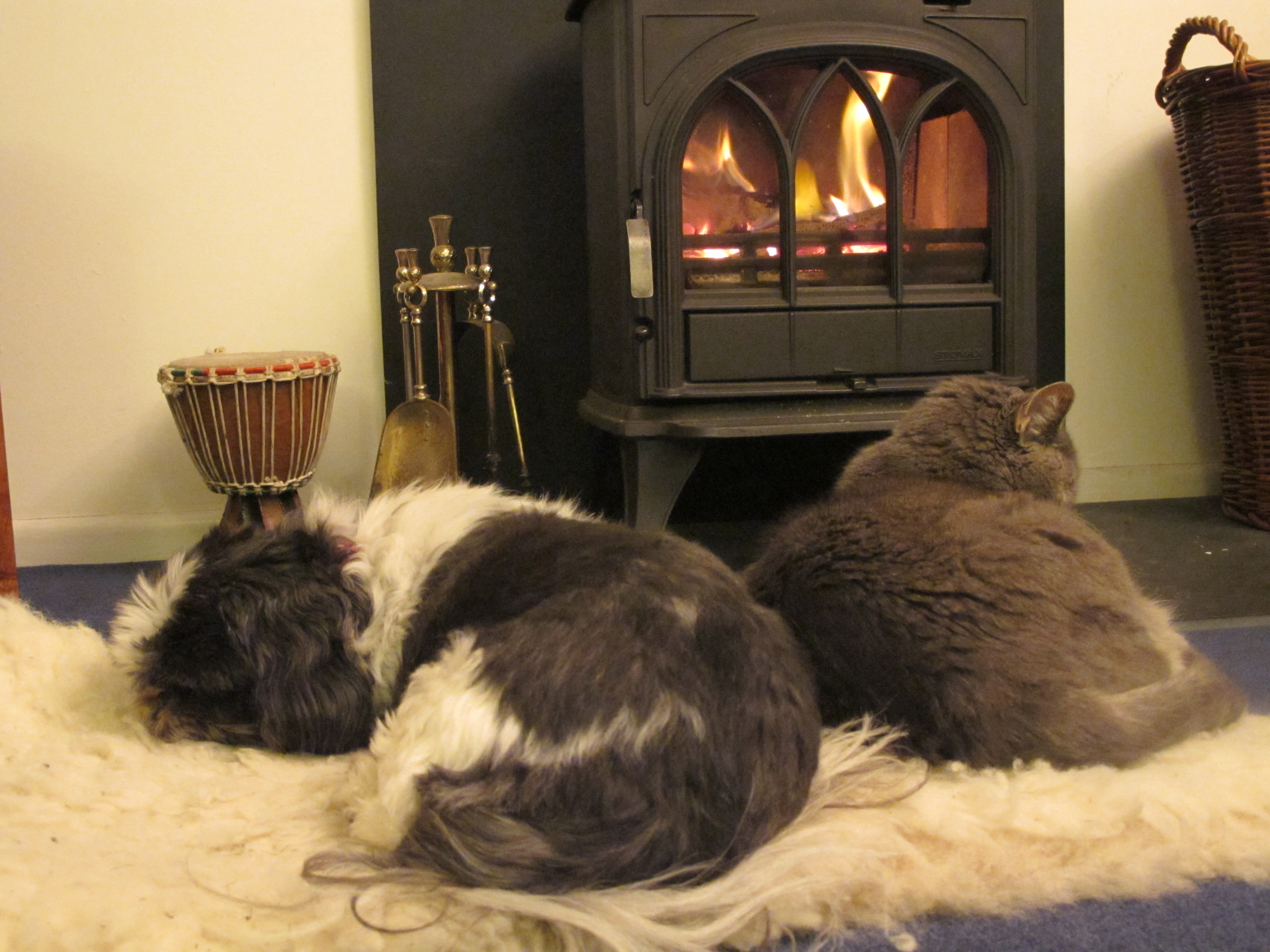
Screamingly irrelevant photo: What we do on a winter evening

Screamingly irrelevant photo: What we do on a winter evening

Looking American: On culture, nationality, and immigration

A few months ago, M. told me, “You’re looking very”—and here you have to imagine a short pause— “American today.”

When I stopped laughing, I asked what American looked like, and you can insert another, somewhat longer pause before you go on, because he had to think about it. Or else he was looking for a gentle way to say it.

“You walk as if the sun always shines on you and you own the world,” he said. Not unkindly, I should add, although from someone else it might have sounded like a complaint.

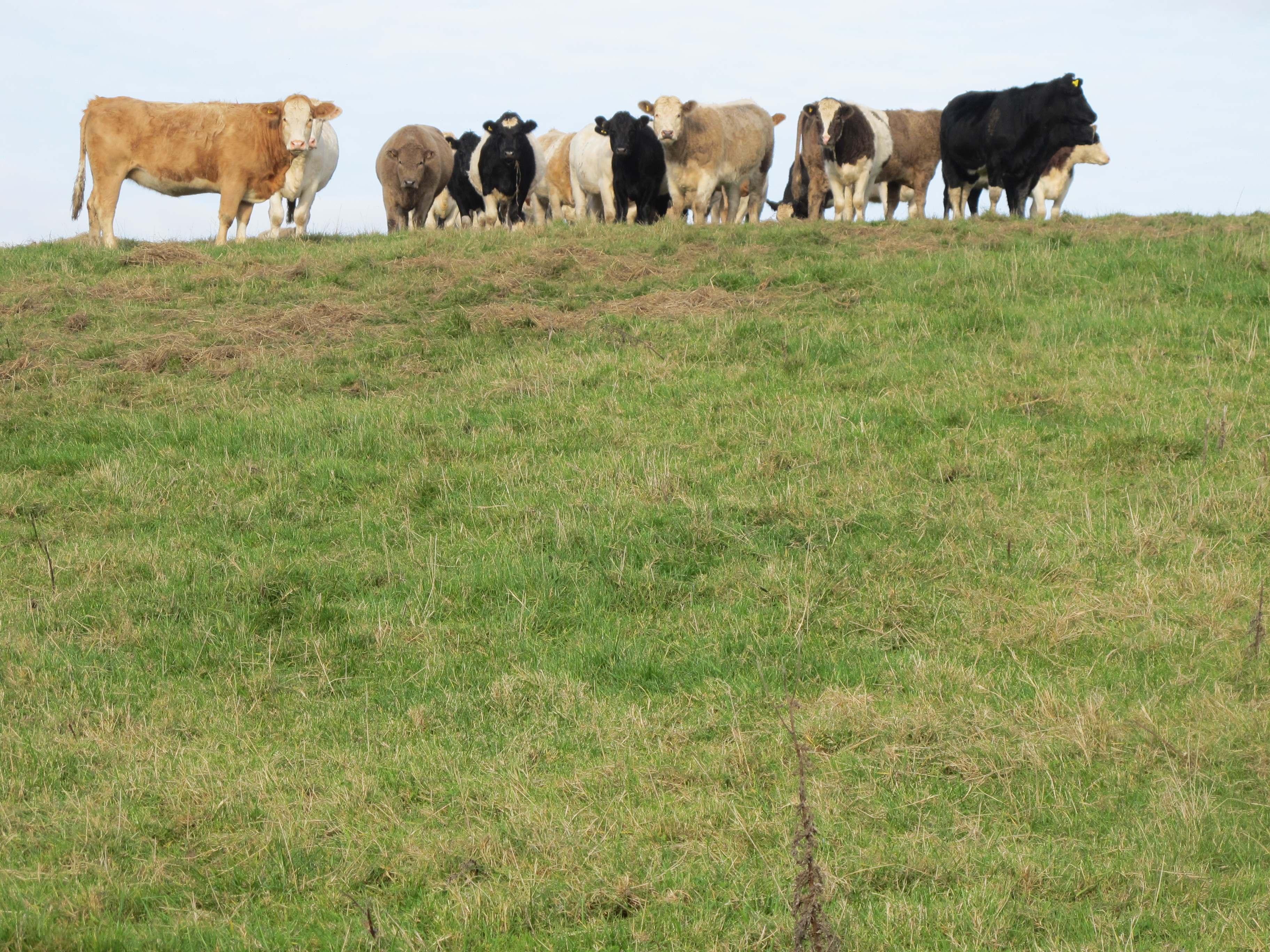
Semi-relevant photo: The sun shining on a herd of cows. (Actually, they were making sure we left their field, and I can't remember if the sun was shining on them or not--it looks like diffuse sunlight. Does that count?)

Semi-relevant photo: The sun shining on a herd of cattle. Actually, they were making sure we left their field, and I can’t remember if the sun was shining on them or not–it looks like diffuse sunlight. That may or may not count.

The sun wasn’t shining on me that day. I’ll skip the details, because they’ll take me off in a whole ‘nother direction, but I’d been shaken by some bad news a few hours earlier, and I was still feeling it.

What does it mean to be so American that I look like I own the world, even (or particularly) when I’m don’t feel that way? Well, what does it mean to belong to any nationality?

The question’s been rattling around in my head lately, at least in part because of the anti-immigrant sentiment that seeps into so much of British politics these days. And into American politics, while we’re at it. You could probably drop any other more or less solvent nation into that sentence, because trouble drives people to immigrate, and the world’s a troubled place these days.

Part of the anti-immigrant feeling is about jobs: If immigrants come over here (wherever here is), they’ll work for less and wages will drop. There’s some logic to this, although what’s really undermining wages is that jobs, and whole industries, have moved overseas, where wages are ruinously cheaper. On top of that, unions don’t have the clout they once did (those two aren’t unrelated), and they were a major force driving wages up.

But another, more emotional, strand of complaint is that immigrants don’t blend in. Basically, the problem with immigrants is that we’re foreigners, and couldn’t we please stop that? Stop talking our languages in public. Stop eating funny foods. Stop dressing differently. Stop running around with different-color skin. Stop cheering for foreign sports teams or holding to foreign religions or using all those alphabets that no decent person knows how to read. I mean, who knows what we’re writing in them?

But once you grow up in a culture, you don’t get to leave it behind—not entirely, even if you want to. No matter how much you work at blending into another one, you carry some part of the original. I walk, apparently, like an American, and I know I sound like one. I even eat like one. The American way of eating involves juggling the fork from the left hand, where we hold it if we need to cut something with knife and fork, to the right hand, which we use to bring the food to the mouth. The British way leaves the fork where it started, in the left hand. This is great, because it lets you use the knife to push food onto your fork—and it’s perfectly good manners when you do. That solves a problem built into the American approach: How do you get the last bits of non-spearable food onto the fork without sneaking a finger onto the plate and hoping no one’s looking? Although it doesn’t solve another problem, which is how to keep the food on your fork, because the British hold the damned thing with the back—the hump—facing up, so that you can’t use the fork’s valley to cradle your food. I haven’t a clue why they do this, but it may explain why mashed potatoes are so popular: you can use them as mortar to hold the rest of your food on your fork.

So I’m a partial fan of the British method, and periodically I try to eat that way—usually with the curved part of the fork facing up, but never mind, I’m compromising here and I want some credit, damn it. All you anti-immigrant campaigners, are you listening? I’m making an effort.

What happens, though? The minute my mind wanders—and it doesn’t take long—my fork’s magically moved itself back to my right hand and I’m eating like an American again. And the sun shines on me.

At this point, while the sun’s shining on me alone, I have to interrupt myself, because I read this post to my writers group and they told me that holding the fork with the hump facing up is posh, presumably because it makes you eat more slowly. Holding it valley-side up is working class. Who’d have thunk? I swear, you have to be born here to figure this stuff out. On the evidence of that alone, though, I ask you: Who should be running the country?

Because of my (sometimes absurd) efforts to publicize both my book and this blog, I’ve written a lot of bios lately (I will post just about anywhere, about almost anything, as long as I get a bio and a link), and I keep describing myself as an American living in Cornwall. That reflects the reality of who I am culturally, but it ignores the fact that I’m a British citizen as well as an American one.

For me, becoming a British citizen was about security, not love or allegiance or culture. I do love the country, but I’m not romantic about citizenship. I wanted to be a citizen because it’s harder to get rid of a citizen than a resident alien. Since the U.K. government had already changed the rules once before Wild Thing and I got the right to stay in the country for the long term,and since we just about got kicked out of the country because of it, we were touchy on the subject. It may be crass, but we wanted the safety that comes with citizenship. We’re grateful for it, but it hasn’t, and can’t, change who we are.

So when I hear someone say that the problem with immigrants is that we don’t acculturate, I can only suggest moving abroad and seeing what happens.

*

A final note: Before my writers group before we fell down the conversational rabbit hole of what it means to have a constitution that isn’t a written document, I learned something else about forks and nationality: More and more of the British are acting like Americans and shuffling their forks from hand to hand as they eat.

And we’re not even the immigrant group anyone’s upset about.

If you want to blame someone, you can blame movies or television, because there aren’t enough Americans here to have that big an impact.

How do foreigners change a culture? Sometimes it’s from a distance.

Beer and British politics: The Pub Landlord runs for office

British politics just got a bit less depressing: A new candidate just entered the race for a parliamentary seat, a comic named Al Murray running under the name of his comedy character, the Pub Landlord. His party’s logo looks a lot like the one the U.K. Independence Party (Ukip) uses, and although I hate to give Ukip any space in my earth-shatteringly influential blog, the joke doesn’t work unless you know a bit about who the Pub Landlord’s making fun of.

Ukip wants to take the U.K. out of the European Union and get rid of all of us pesky foreigners. Or maybe they don’t want to get rid of quite all of us, because Ukip’s leader is married to a woman from Spain, so presumably they’ll make exceptions, but basically they don’t like furriners coming over here, taking British jobs and speaking funny languages on their streets. Last I heard, the party leader’s wife had a paid job in his office, but I guess that wasn’t a British job, it was some other kind of job, so it must be okay.

Irrelevant Photo: Mulfra Quoit, an ancient monument in West Cornwall

Irrelevant Photo: Mulfra Quoit, in West Cornwall

What else does Ukip stand for? Well, it sort of depends when you ask and who you ask and what sort of mood they’re in. And whether they’re still in the party, because periodically one of their candidates goes too far and gets thrown out. One proposed banning Islam and tearing down mosques. Another posted anti-Semitic and anti-Muslim statements on his Facebook page. A third was convicted of assault. Let me quote the Mail Online here: “The Ukip official charged with vetting the party’s election candidates has revealed he spends half his time ‘weeding out the lunatics’. . . .

“The remarks come after one Ukip candidate was recorded making homophobic, racist and obscene comments—while another was exposed as a fantasist after becoming embroiled in a public sex scandal.”

Ukip does stand for a good pint of beer, though—that’s been pretty consistent and to date no one’s been thrown out for it. And they’re polling well considering that they’re a minor and basically bonkers party. Well enough to scare the bejeezus out of the major parties and drag them all into a discussion of what to do about immigration, as if everyone agreed that immigration is what’s wrong with—and probably the only thing wrong with—the country.

But back to the new party: Its name is Free United Kingdom Party, or FUKP. (Yeah, go ahead and pronounce it.) And what’s its platform? The Pub Landlord promises to burn down the Houses of Parliament for the insurance and brick up the Channel Tunnel to keep immigrants out. His most inspired proposal is revaluing the pound so it’s worth £1.10. About cutting immigration, he says, “This is the greatest country in the world and people want to move here. We need an MP to make things worse. Look no further.” On corporations and globalization, he says, “Blah blah blah paradigm blah blah blah, blah blah dialectic blah blah blah blah blah blah game-changer.” Which is pretty much what all the politicians are saying.

Finally, he pledges that the U.K. will leave Europe by 2025 and the solar system by 2050.

Politics hasn’t made this much sense since Screaming Lord Sutch ran on the Official Monster Raving Loony Party ticket.

Manners, American and British

The British have manners. They have such good manners that from time to time they’ll throw them out the window to scold strangers for their lack of them.

Wild Thing and I were in the outdoor section of a café once—a cramped, eat-your-lunch-and-get-out kind of place—and as a couple who’d been sitting nearby wove past our table to leave, one of them said, “In this country, we say please and thank you.”

Sadly, by the time we’d processed the words, they were too far away for a snappy comeback, but “In our country, we’re polite to strangers,” did come to mind. It may not be true, but I still wish I’d been quick enough to say it.

mulfra 030

Irrelevant Photo: Fountains Abbey, in Yorkshire

I have no idea what we’d done, or more likely not done, to piss them off. I’ve been a waitress. Wild Thing and I have both been cab drivers. We’re not the kind of people who think that if they have the money for a meal, or a cab ride, or a tube of toothpaste, it gives them the right to be obnoxious. But we are, I admit, incapable of saying thank you as often as the British do. Buy something at a small store and when you hand in your item to be rung up, the clerk will thank you. When you hand over your money, you’ll get thanked again. (A variation: The clerk may look at the twenty you handed over for something costing less than a pound and say, “Lovely,” or “Brilliant,” as if you’d handed them a slice of chocolate cake, or exact change just when they were about to run out and the banks had all closed and the vandal hordes were all lining up to do their shopping and none of them had brought the exact change.) Then when you go to leave, unless some other customer’s diverted the clerk’s attention, you get thanked a third time, often with the phrase, “Thank you very much, thank you.” Or, “Thank you. Thank you very much, thank you.”

At least it’s like that way out in the country, where we live.

I can’t do that. Can not. Am constitutionally incapable of. I also can’t manage to say you’re welcome three times for a single transaction, especially when I haven’t done anything. I mean, you’re welcome? For what? I bought something. I wanted it enough to hand over money. That’s not a gracious act that I should say “you’re welcome” for. Sometimes I find myself saying “thanks” instead, which is also absurd but doesn’t feel quite as bizarre as “you’re welcome.”

I asked S. once how often she said you’re welcome in response to the multiple thank-yous. She looked startled and said she didn’t think it was “called for” unless you’d done something particularly—well, kind may not have been the word she used but it was the impression she left me with. Unless you’d gone out of your way, somehow. But I doubt she’d never noticed how many times she got thanked per transaction. It’s that old thing about the fish and the water. She swims through an ocean of thank-yous and wouldn’t notice them unless they stopped.

Or that’s what I thought, anyway, until A. and H. told me that you’re welcome is an Americanism, although H. added that there’s an equivalent phrase in Welsh. R. swore that it’s a class thing: If you’re working class, you learn to say “you’re welcome.”

At this point, I understood two things: 1, It’s complicated, and 2, I’ll never completely get it.

“What do you say?” I asked.

“That’s okay” would do, apparently. So would “cheers.” But “cheers” can also be used to mean goodbye, or as a kind of toast—when you lift your glass to someone. According to my British English A to Zed, it also means here’s how! What does here’s how! mean? I looked it up and it’s either too obvious or too unused to include, so I don’t know.

I asked M. and Wild thing what here’s how! meant and they were as blank as I was.

So in this country we say “please” and “thank you,” but we don’t say “you’re welcome.”

If I didn’t know better, I’d think that was rude.

Minims and crotchets: surviving British musical notation

“It’s simple,” G. tells me. “There are two quavers in a crotchet, two crotchets in a minim, and two minims in a semibreve.”

She’s not explaining the Harry Potter universe but musical notation in British as opposed to American. I give her a panicky nod, but I don’t fool her, because she stops before she gets to the full breve—which has a long E so that it sounds like breathe, in case you need to know that. And crotchet is pronounced like crotchety, with a T you can actually hear, not like that thing you do with a length of yarn and a crochet hook.

I explain to G. that I learned to call them whole notes, half notes, quarter notes, and so on, and she seems to believe that if I learn to translate those into the terms she knows we’ll be able to discuss time—that’s time as in music, not as in clocks. But because the eyelids of my mind fluttered when she said “It’s simple” and shut completely when she got to the quavers, my end of the conversation is mostly hand signals. I’m trying to show her the written notes, for some reason, with my fingers indicating whether the notes have stems and whether they’re filled in or hollow in the center.

Surprisingly relevant photo of a courgette. Or a zucchini is you prefer. Photo by Mmm Daffodils, on Wikimedia.

A courgette. Or a zucchini is you prefer. Photo by Mmm Daffodils, on Wikimedia.

G. and I know each other from the singers night at a local pub. Her head harbors a fine range of folk songs, from the sweet to the raunchy, with several stops in between, and she understands both time and notation, although she can’t necessarily communicate either of them to me. In spite of that, we’ve worked out a couple of songs that we sing together, and she tolerates my musical ignorance—a gift I admire even more than her ability to harmonize spontaneously. We’ve been working on a new song, Les Barker’s “Non, No Courgettes,” which is a mash-up of French and English set to the tune of Edith Piaf’s “Non, Je Ne Regrette Rien.”

A courgette, in case you need to know this, is a British zucchini.

Somewhere in the midst of our run-through, I’ve fallen foul of a hemidemisemiquaver. Or something very much like one. There is such a thing. Really there is, although probably not in “No Courgettes.” I can’t say for sure because I wouldn’t recognize one if it snapped my finger off and added salt. All I know is that they’re very short, but then so are piranhas.

So am I, if that’s at all relevant.

I’m not completely uneducated about music. I took piano lessons as a kid, and I’m sure you could have found a more resolutely untalented student somewhere but you’d have had to look hard. The lessons were about either classical music or some damned silly song about my pretty dolly, and I wasn’t interested in either of them. I don’t remember how long I took lessons for. It seemed like forever, and my teacher must have felt the same way, but given how little I know it could have been no more than two months. I came out of it almost able to read music. I can follow the treble clef if the notes don’t go too far above the stave and the time signature doesn’t get complicated and there aren’t more than one or two flats or sharps. Forget about the bass clef—I can’t read that at all. To translate that, if we were talking about words, I could read the vowels but not the consonants. It’s ever so handy.

No one, in all the time I took piano lessons, ever mentioned a minim, a crotchet, or a quaver.

G. lets the abstract discussion slide—this is both wise and merciful—and we tackle the song again, both of us tapping time on the coffee table. In my head, the words run, “Non (two three), no courgettes (two three four)….”

She manages not to pack up her guitar and leave. It helps that one of the cats has crawled into the case and gone to sleep.

A foreigner’s guide to Boxing Day

If you’re not British, or living in a British-inflected country, you’re asking, What?

Boxing Day is the day after Christmas.

So what does everyone do, go out and hit each other?

The people Wild Thing and I know mostly stay home and eat the Christmas leftovers. Especially those brussels sprouts. For breakfast, you can use them in bubble and squeak (which does neither, as far as I can figure out). It involves leftover sprouts (or cabbage, or anything else along those lines) and potatoes, bacon, onion, butter or some other sort of fat, and a frying pan. More or less. It’s one of those recipes that use up whatever you have on hand, so there’s no point in being precise about it.

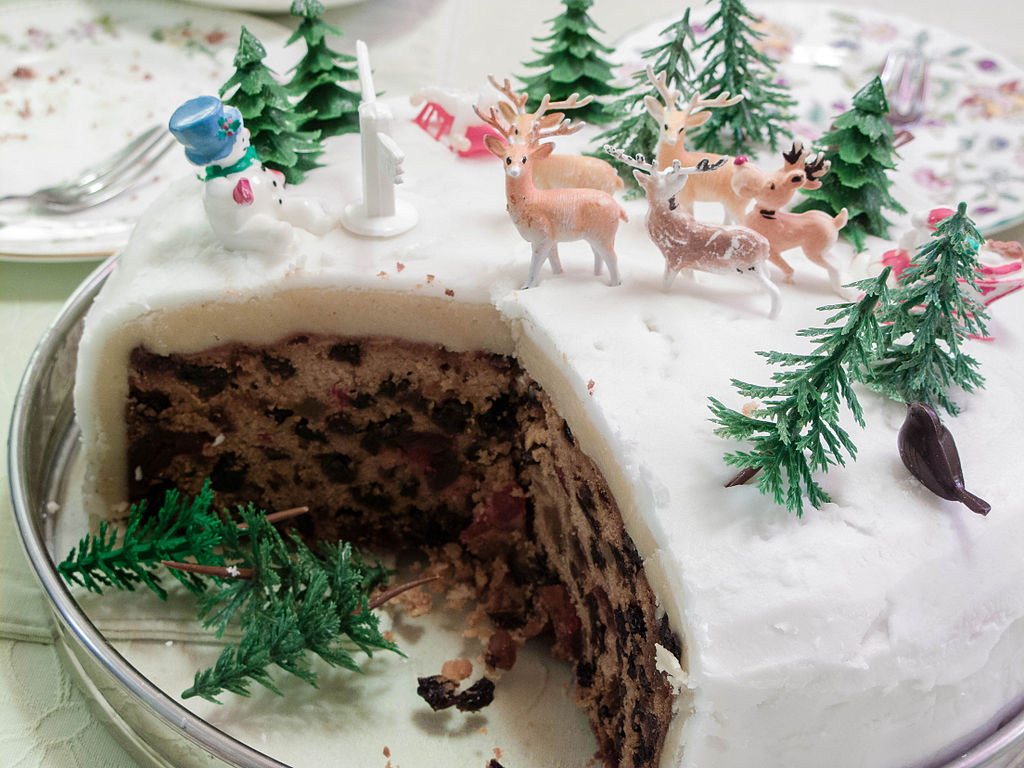
Christmas cake. Photo by James Petts, on Wikimedia.

Christmas cake. Photo by James Petts, on Wikimedia.

After that, you can start on the Christmas cake.

It may be called Boxing Day because it was the day that Victorian ladies and gentlemen gave gift boxes to tradespeople and the servants (who had to work on Christmas day, and probably had to work on Boxing Day as well). Or it may have come from a medieval tradition involving alms boxes, which were opened on Boxing Day and the money given to the poor. Basically no one’s sure, but if you repeat the stories often enough they take on a certain authority.

What’s certain is that it’s a second legal holiday that involves brussels sprouts. Only in Britain.

 *

I’ll be posting once a week until—probably—mid-January, when I’ll go back to twice a week. Enjoy the holidays, whatever you celebrate and however you celebrate them. 

A foreigner’s guide to Christmas in Britain

You can say anything you want about the meaning of Christmas, but I’ll tell you what the meaning is here: brussels sprouts.

What? you ask.

At Christmas dinner, you eat brussels sprouts. Even if you don’t touch them for another 364 days, you put one on your plate and chop it into pieces and poke at it so it looks like some part of it entered your stomach and is becoming one with your body. It doesn’t seem to be a law, but it’s a very powerful cultural imperative. And when someone uses a fancy phrase like cultural imperative, you’d damn well better do it.

Christmas pudding with flaming brandy. Photo by James Scott-Brown, on Wikimedia.

Christmas pudding with flaming brandy. Photo by James Scott-Brown, on Wikimedia.

The brussels sprout is so completely symbolic of Christmas that D. and D. just gave us a box of chocolate brussels sprouts for a Christmas present. Rest easy, though, because they’re purely symbolic. No vegetables were harmed in the making of the candy.

Why is a round green vegetable synonymous with Christmas? Because they grow through the fall and by Christmas they’re ready to eat. And if you’ve got a vegetable so cooperative that you can harvest it in the winter, you’d better include it in the holiday meal. Even if you hate it.

Christmas also involves crackers. Not the crumbly kind you eat with cheese, but rolls of shiny paper and cardboard with bad jokes and riddles, a little plastic present of some kind (about what you used to find in a box of Cracker Jacks, if you’ve ever seen those), and a tissue-paper crown inside. The way to open these is to pick yours up when everyone else does, cross your arms so you can simultaneously offer yours to the person on one side and seize the one the person on the other side is offering you. Then, in unison, everyone pulls and the crackers tear open and spill out their giftlets.  Inevitably, someone ends up with two short ends and no goodies, and if you’re over the age of five you redistribute the riches and everyone ends up with, at the very least, a silly paper crown to put on his or her head. Then everyone who can’t avoid it (and I usually can) reads the jokes and riddles out loud.

In the spirit of Nothing Exceeds like Excess, Christmas demands two desserts: a Christmas pudding and a Christmas cake. The cake is a heavy fruitcake that’s been soaked in brandy for two months and coated in not one layer of icing but two, one of marzipan and another made with egg whites and sugar. The double dose of icing is enough to send even a non-diabetic into a diabetic coma, and that’s without the cake. The pudding, again, has dried fruit and alcohol, but this time with suet and spices and a bunch of other stuff—you’ll have to look up the recipe online if you’re interested, because I’ve never made one—and then it’s steamed (this is why I’ve never made it: I can’t be arsed, as our much-missed friend B. used to say) and soaked in yet more alcohol for a month or so. If you need a bit more in the way of excess, you can serve it with rum or brandy sauce, or with custard, and you can also serve it with flaming brandy if you promise not to set the house on fire.

What to wear if you want to annoy Buckingham Palace

I don’t care how silly it is, I have to weigh in on the flap over how the U.S. press corps dresses when Will and Kate (W. and K. from here on, because, hey, I don’t care if they’re royal, why should they get to use their full names here?) meet with President Obama (President O.).

If you haven’t been following the story, then congratulations: That shows good sense, which you can now pitch out the window while I tell you about it. Buckingham Palace issued a dress code for journalists covering the event, and threatened not to let them in if they violated it. It specified:

  • No jeans.
  • No trainers.
  • No casually dressed members of the media or technicians.
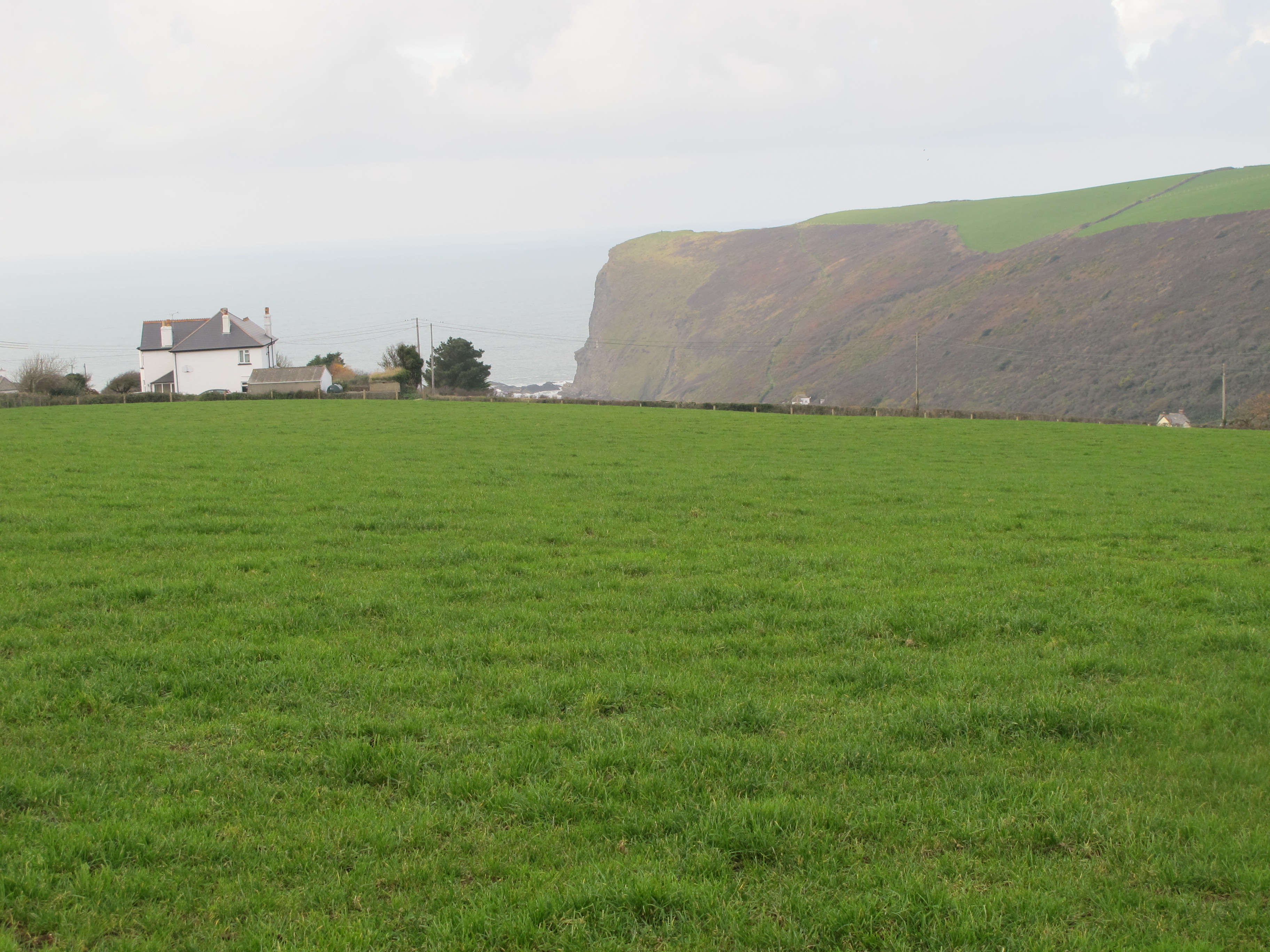
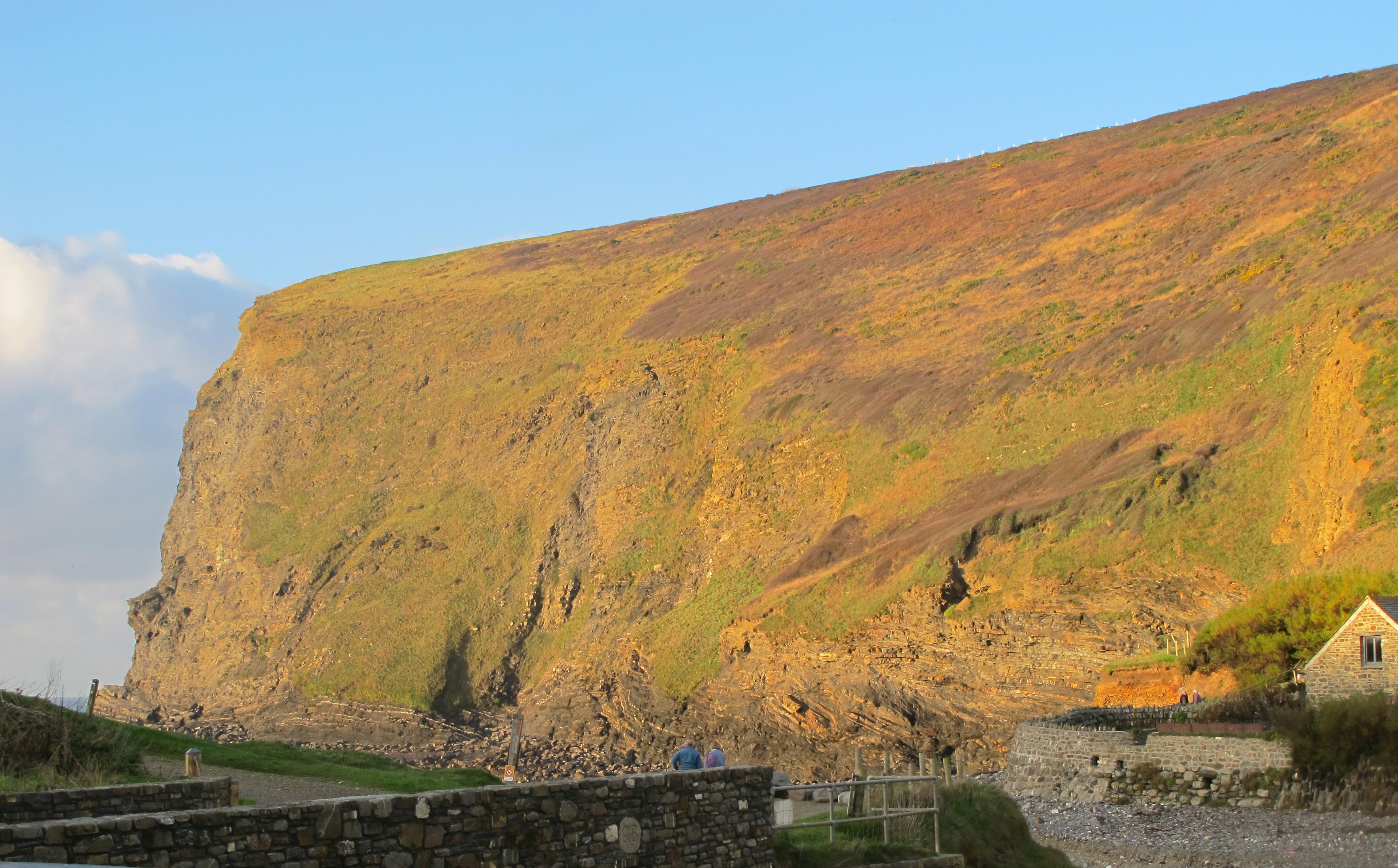
Irrelevant Photo: Cornwall's north coast

Irrelevant Photo: Cornwall’s north coast

To which one press corps member responded, “First of all, what are ‘trainers,’ or for that matter, ‘technicians’? And second, why should the United States’ press corps—who barely bother to brush the muffin crumbs off their polo shirts before lobbing questions at the President of the United States—schlep extra pieces of clothing to work just so they can make small talk with a (perfectly nice-seeming) British air ambulance pilot-in-training and a former chain-store accessories buyer?”

Buckingham Palace fired back by asking, “What’s schlep?”

Okay, that part hasn’t been publicized. It’s just one of those things I intuit.

Having established a constructive dialog, Buckingham Palace (B.P., for the sake of even-handedness) then canceled its dress code and left it up to the White House (what the hell: W.H.) to establish one. Or not. The press corps celebrated by tucking the pajamas they’d planned to wear to the press conference back under their pillows and hanging their toothpaste-flecked bathrobes back on the peg behind the bathroom door. Which strikes me as kind of sad, since I’d have loved to see the footage.

But the silliness goes on. When I looked the stories up online so I could provide links, I dipped into the comments (you’ll find some at this link and others at the link above) and found people, in all seriousness and in some cases with considerable heat, debating whether all Americans are slobs; what the W.H. press corps actually does wear; whether or not it was a sad day for the U.S.; whether the country under discussion is the U.S. or America; who won the war (unspecified, but presumably the War of Independence, a.k.a. the Revolution); whether and when K. wears underwear (don’t ask me, folks; I don’t care if she does or not, although I question the motives of people who spend their time writing about it); when (no whether involved here, apparently) Harry (sorry: H.) visibly doesn’t wear underwear and shows the crown jewels to all and sundry; and why the dress code was a violation of the First Amendment.

The First Amendment, in case you’re wondering, covers freedom of speech, assembly, and religion: “Congress shall make no law respecting an establishment of religion, or prohibiting the free exercise thereof; or abridging the freedom of speech, or of the press; or the right of the people peaceably to assemble, and to petition the government for a redress of grievances.” The founders meant to say something about dress codes but they were rushed that day. These things happen. Setting up a new country is a chaotic business. Besides, I’m not sure pajamas had been invented yet. It was still all nightshirts and nightcaps. This is the problem with a strict interpretation of the constitution.

One particularly heated commenter seemed to be confusing the Rupert Murdoch’s News of the World newspaper phone hacking scandals with the British government’s phone hacking scandals. Lots of us suspect Rupert Murdoch runs the country, possibly with a little help from his friends, but honest, he isn’t the government yet.

The comments are even more fun than the original flap. Or sadder. Or possibly both. Anyway, they all provide an insight into the contrasting insanities of the two countries . And let me be clear about this before someone thinks I’m insulting either of them: I’m convinced that every country on this planet has its own set of insanities. The two that have had it in their hearts to issue me passports are not unique in this.

And trainers, for those of you who need a translation, are running shoes. Or athletic shoes. Or whatever. You know—those things that I’m still convinced we should call sneakers.

Delivery Trucks and Village Gossip on the Cornish Roads

On Monday, I drove to a nearby hamlet to pick up a couple of blueberry plants. The hamlet’s locally famous for its road, which is one lane wide, closely hedged on both sides, and shaped more or less like a gigantic Z. Periodically, a delivery truck will get stuck on the one or the other of the Z’s angles. Or maybe that was only one truck, one time, but by the time the story worked its way to our end of the parish it’s happening once a week, and the trucks get stuck so thoroughly that road only stays open because of a Bermuda Triangle effect: No sooner does a new truck got stuck than it’s wafted bodily to wherever it is that trucks go when they’ve been not just good but a tiny bit careless as well.

Irrelevant Photo: Late Afternoon Light

Irrelevant Photo: Late Afternoon Light

So there I was, leaving with my blueberry plants, and what should I end up following but a truck. It was a blocky, one-piece thing—the kind that could deliver a dining room table, say, or a couch—and it was moving creeping along the way driver do around here when they’re looking for an address, which is another way of saying that it was lost. Except for one small patch of the village, addresses out here have nothing to do with street names and house numbers. Most of our roads don’t have names and most of our houses do, although they don’t necessarily display those names where you’d think to look for them. Most drivers find the post code they’re looking for, then wander helplessly, hoping to spot a name plaque.

Abandon logic, all ye who enter here.

I should have turned around and taken long way home, but—I guess it was curiosity that made me follow the truck. Here was parish legend, about to enact itself in front of my eyes. How could I turn away?

The truck reached the bend and stopped.

It sat there.

I sat there.

Beside the bend is a farm gate, and from behind the gate a dog barked.

I walked up to the truck to ask if they were okay. I mean, what with Bermuda Triangle effect and all, I might be the last person to talk to them. Before I could ask, though, the driver jumped down and asked if I knew where Tre-something was.

This being Cornwall, half the houses are called Tre-something. “Tre” is the Cornish word for homestead. Or according to some people, place. Or town. I don’t speak Cornish, so I can only report the muddle that’s passed around in the name of wisdom. Half the villages are also Tre-something, so I expect the rumors are right: It means both.

The villages that aren’t Tre-something are Saint Whosit.

I’m not good at remembering which house is named what, so I didn’t have a clue where Tre-something was. I asked about the post code and the passenger called it out to me from inside the truck.

This might have been helpful, but I didn’t know the hamlet’s post code.

I can’t think what they’d have done if they hadn’t run into me.

At this point in most can-you-tell-me-how-to-find conversations, the driver decides I’m not worth listening to because with my accent I can’t be local, but these guys didn’t do that. They were desperate, on top of which I hadn’t offered any information for them to dismiss, but even so it made me absurdly fond of them.

Finally the dog barked long enough to bring first one person out of the farmhouse and then two more. The driver asked the first one asked about Tre-something and she asked the other two, then one of them asked who lived there and all four of us shook our heads and said we didn’t recognize the name. At intervals, one after another, we repeated “Tre-something” as if that would help, and we shook our heads some more.

The dog kept barking. I began to suspect it knew Tre-something.

I asked about the farm’s post code and we established that it was the same as the one the guys in the truck were looking for.

If we’d gone on any longer, we’d have asked what they were delivering and what color it as and whether it matched the curtains, but instead one of the people from the farm said he was fairly sure Tre-something was on the other side of the ford. I was fairly sure it wasn’t, not because I knew the first thing about it but because I was convinced that post codes change when they cross water. But honestly, I’ve lived in the parish for eight years. The people on the other side of the gate have spent their lives here. I know—on rare occasions—when to shut up, and I did.

“If it’s not there,” the man said, “you can ask at the post office.”

This is the universal answer to can-you-tell-me-how-to-find questions. The driver headed for his truck.

At this point, I noticed that the truck’s front bumper was snuggled sweetly into the farm’s stone wall, which forms the most unforgiving part of the Z bend. The truck wasn’t, strictly speaking, too big to make the turn, but it was big enough not to make it easily.

I backed up to give it space. It backed up, with the help of some gesturing from behind the fence. In addition to an altruistic desire to help, the people behind the gate wanted to protect their wall.

Before the truck had backed far enough to try the bend again, I understood, with all the clarity of revelation, I didn’t want to be behind it if and when they didn’t find Tre-something on the other side of the ford. The road doesn’t make any sharp bends on that side, but it’s still only one lane wide. If they got into another long conversation, it wasn’t going to be as interesting—especially since I’d be out of excuses for jumping out of my car and joining in. So I backed up 100 yards (I’m making up the numbers, as I make up most numbers, but it was a fair distance) before I could turn in someone’s driveway, and I went home the long way, sacrificing my chance to see if the truck made the turn.

By the time I passed the post office, the truck was parked outside.

I never found out what they were delivering, but I bet someone in the post office did.