
Is anything more English than tea on the lawn of a great house? We’ve were talking about stereotypes since I fell for an inaccurate one about Americans, but linking tea on the lawn—especially the lawn of a great house—to Englishness seems like a safer gamble. (Feel free to take me apart on that if I’m wrong.)
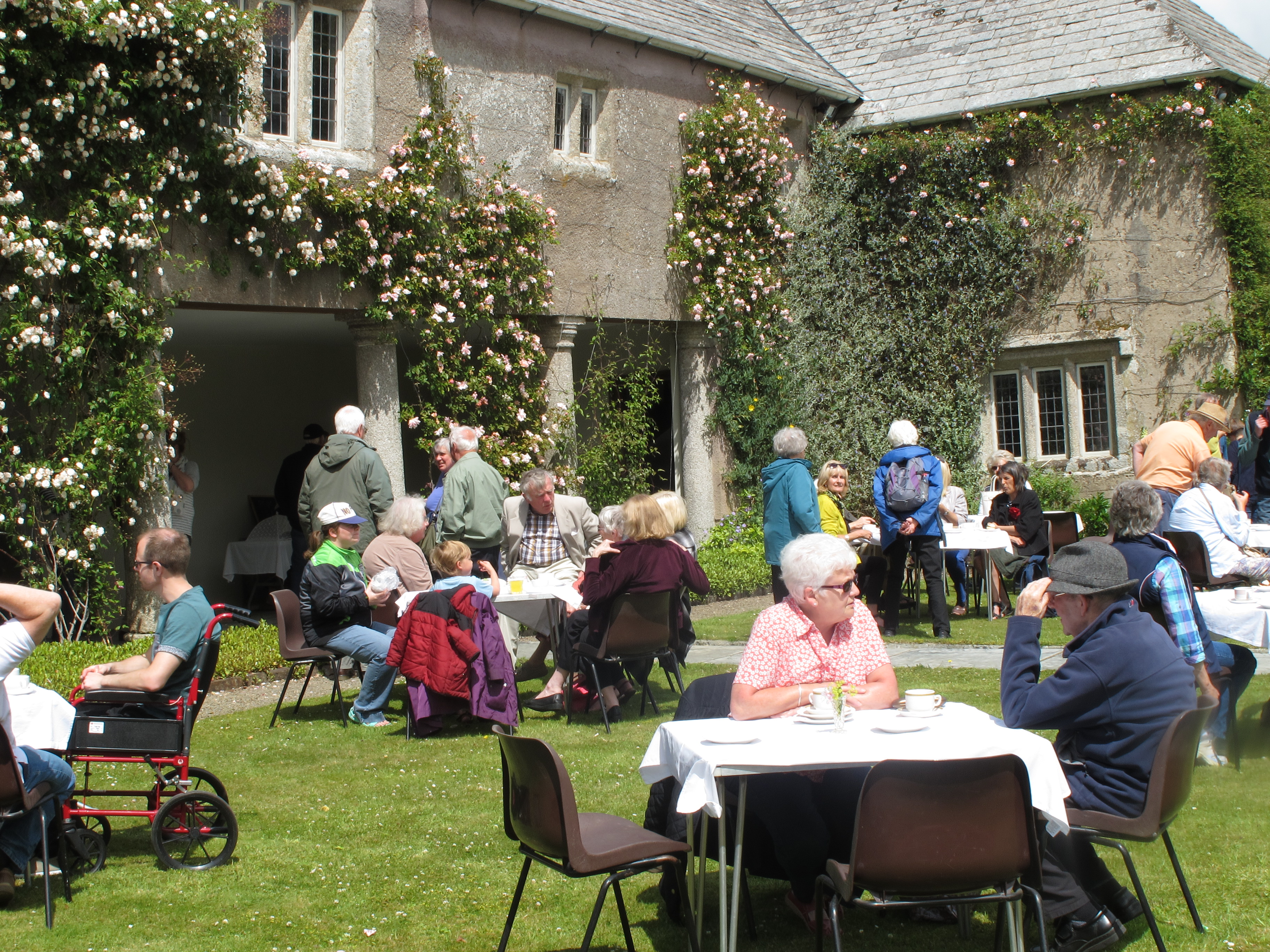
Cream tea at Penhele
Recently, Wild Thing and I went to a cream tea at Penhele, a great house not from where we live. It was a fundraiser for the Charles Causley Trust, which (I just checked the website) keeps alive the memory of a local poet and promotes writing in the region where he lived. I’d love to give you a link to some of his poems, but although I’ve been impressed by some of his poetry I didn’t like the only one I found online. Others are under copyright and that makes them a no-go zone. Sorry.
But we didn’t go there to support the Causley Trust. In fact, we didn’t know what the event was raising money for. We didn’t even go for the cream tea, although it was a welcome bonus. What we really wanted was to see the gardens and the house, which are well enough known around here that we ran into half the village almost as soon as we walked in. One of them, J., was a carpenter before he retired (only they say joiner here, or builder, and I’m not all that sure what the difference is) and worked restoring historic buildings. Basically, once he’s done you can’t tell he’s been there. I asked if he knew how old the house was and he pointed to a stone plaque above a doorway in what he told me was the hall. It carried a date in the 1600s—1660, if I remember right. For all I know, other parts are older.
“I worked on those windows,” he said, pointing to the right of the plaque.
I felt like I was sitting next to a rock star.
Most of us—maybe all of us—lined up to buy tea and either scones with jam and clotted
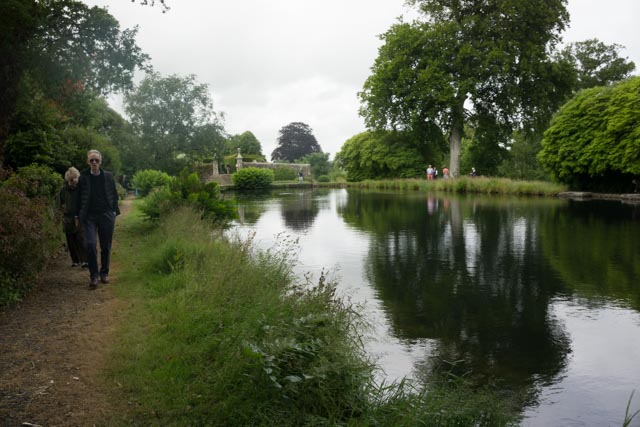
Walking by the lake. Photo by Ida Swearingen
cream (that’s the cream part of a cream tea) or cake, then we drifted along paths and past fields, a lake, a swimming pool (covered), in and out of a series of open rooms formed by a high, dense hedge, and past an empty flowerpot stuck deep into the hedge and looking like a place for someone to hide his or her cigarettes, although I didn’t reach in to be sure since that seemed like an invasion. We paid closest attention to what I’ve learned to call a herbaceous border (you pronounce the H on herb here; I still don’t, but I’ve gotten to the point where both pronunciations sound odd to me), stopping to admire this flower and that one.
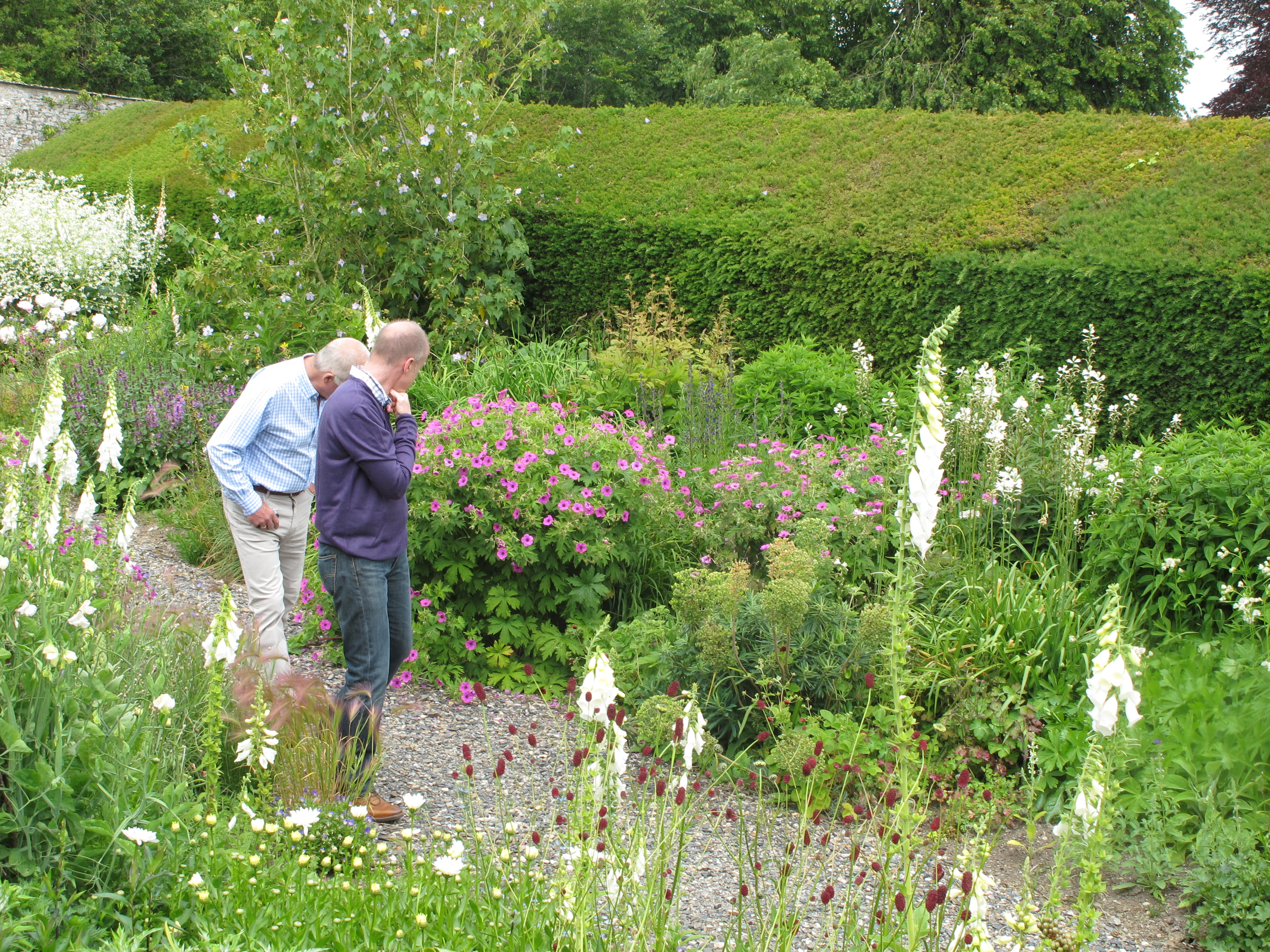
Part of the herbaceous border
According to Wikipedia, herbaceous borders became popular in the Victorian era. They’re basically a bunch of flowering plants—what I’d call a flower bed—and they’re gorgeous but take a lot of work. The Wikipedia entry talks about digging up and splitting and replacing plants, but even more than that they take weeding. Endless weeding.
Did I happen to mention how many weeds Wild Thing and I have grown since I started blogging?
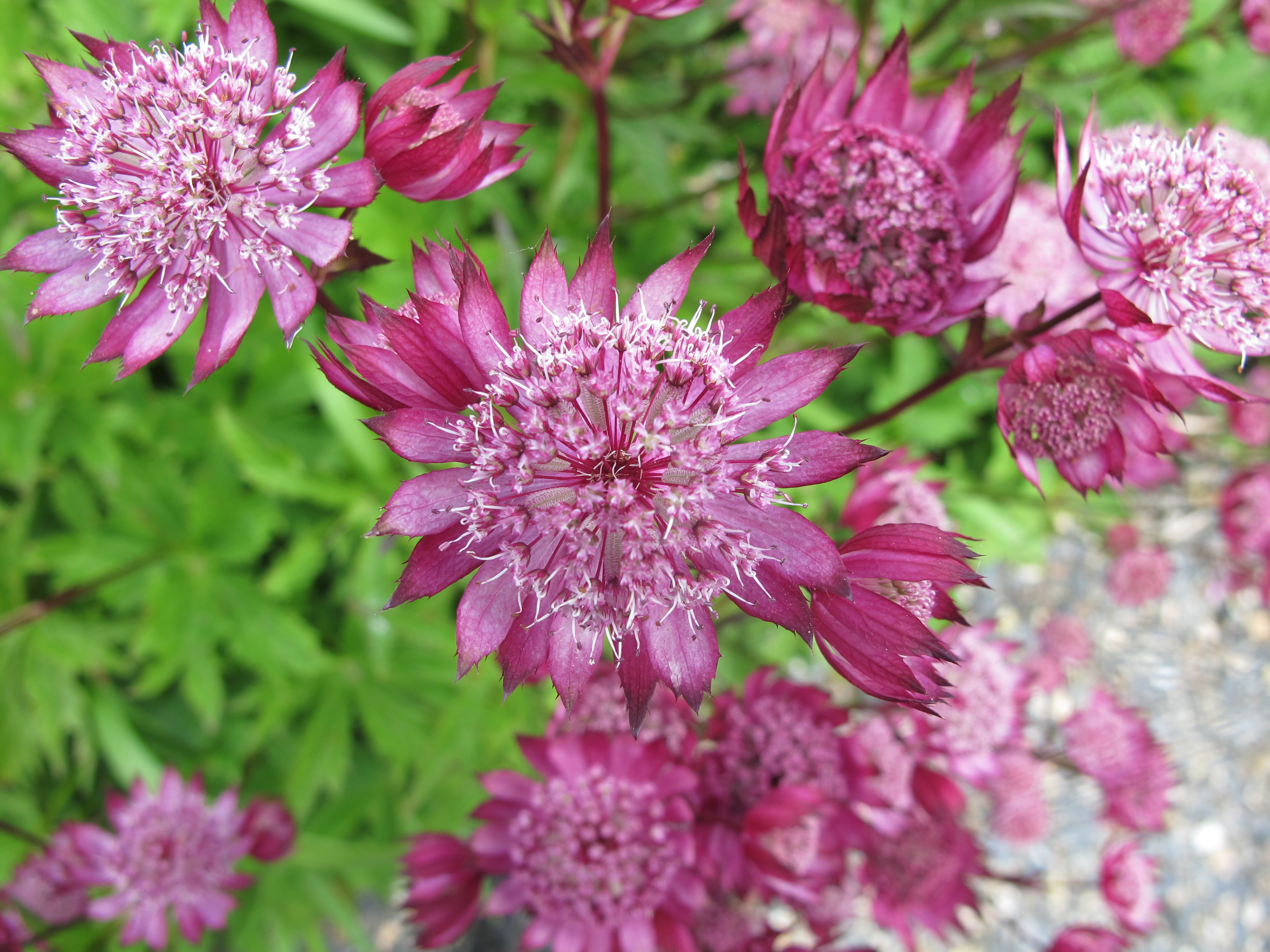
I haven’t a clue what the flowers are, so I can’t identify them.
I overheard several people saying the same thing that came to my mind: “I wonder how many people it takes to keep it looking like this.” No one had the answer, but quite a few seemed like a fair guess.
It all felt a bit like something out of a BBC costume drama—the great house opened for an afternoon so the villagers could put on their company manners and enjoy a day out. It’s less lord-and-lady-of-the-manor these days, but you can’t help noticing the difference between the place you’re admiring and whatever you call home. Still, whatever people’s feelings were about class and inequality—and I expect they ranged all over the scale—everybody seemed willing to put that aside for the day and enjoy the beauty and the hospitality.
Both class and people’s feelings about class are more open in the U.K. than in the U.S., 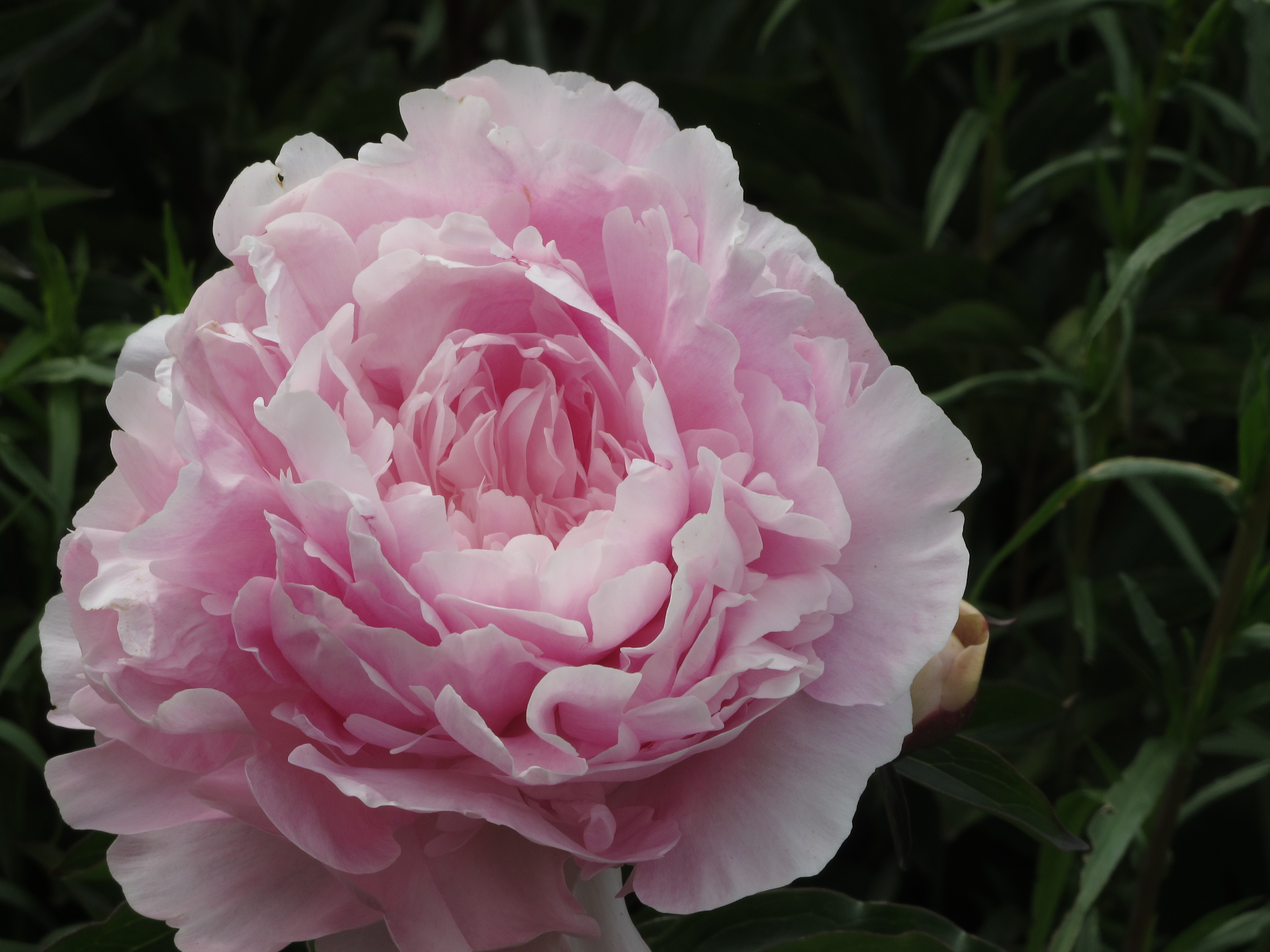 where we break out in a rash if anyone uses the word in any context except middle. And the tradition of a grand house opening its gardens to the public is also something I never heard of in the U.S. Wild Thing and I speculated on whether it dates back to Victorian times or to the medieval period. I’d put my money on medieval, because, as crushing as the lord-peasant relationship must have been, it did lay a few obligations on the lord, and those may have included fetes or feasts.
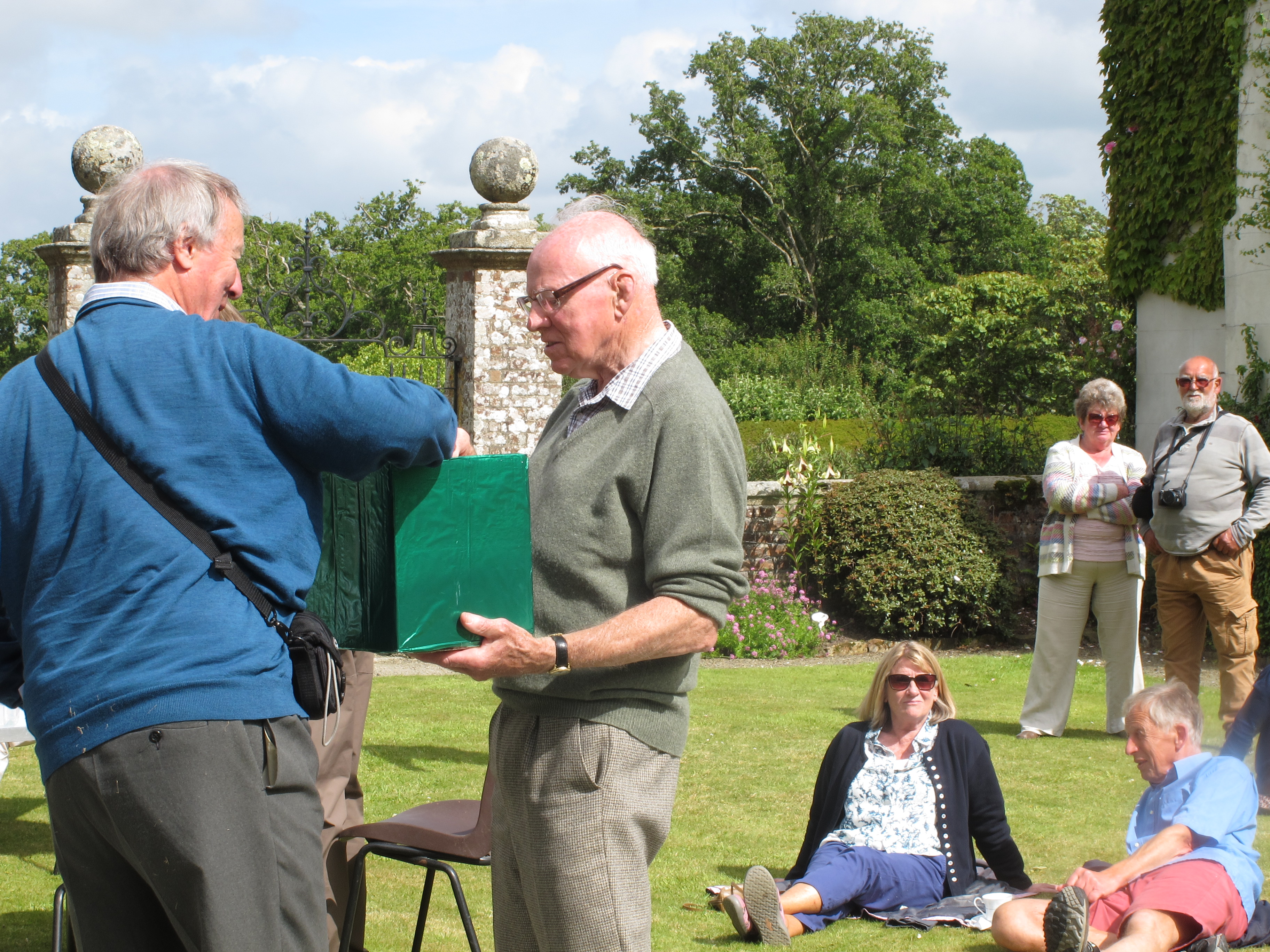
The inescapable raffle
But that’s guesswork. What’s certain (or as certain as I dare be about anything right now) is that the tradition of great houses opening their grounds for fundraisers is part of an English summer.
At the end of the afternoon came the drawing for the raffle. You can’t hold a fundraiser in Cornwall without holding a raffle. There’s no law on the books, but it’s just not done. So at Penhele they held a raffle. And we didn’t win anything.




 Notes from the U.K.