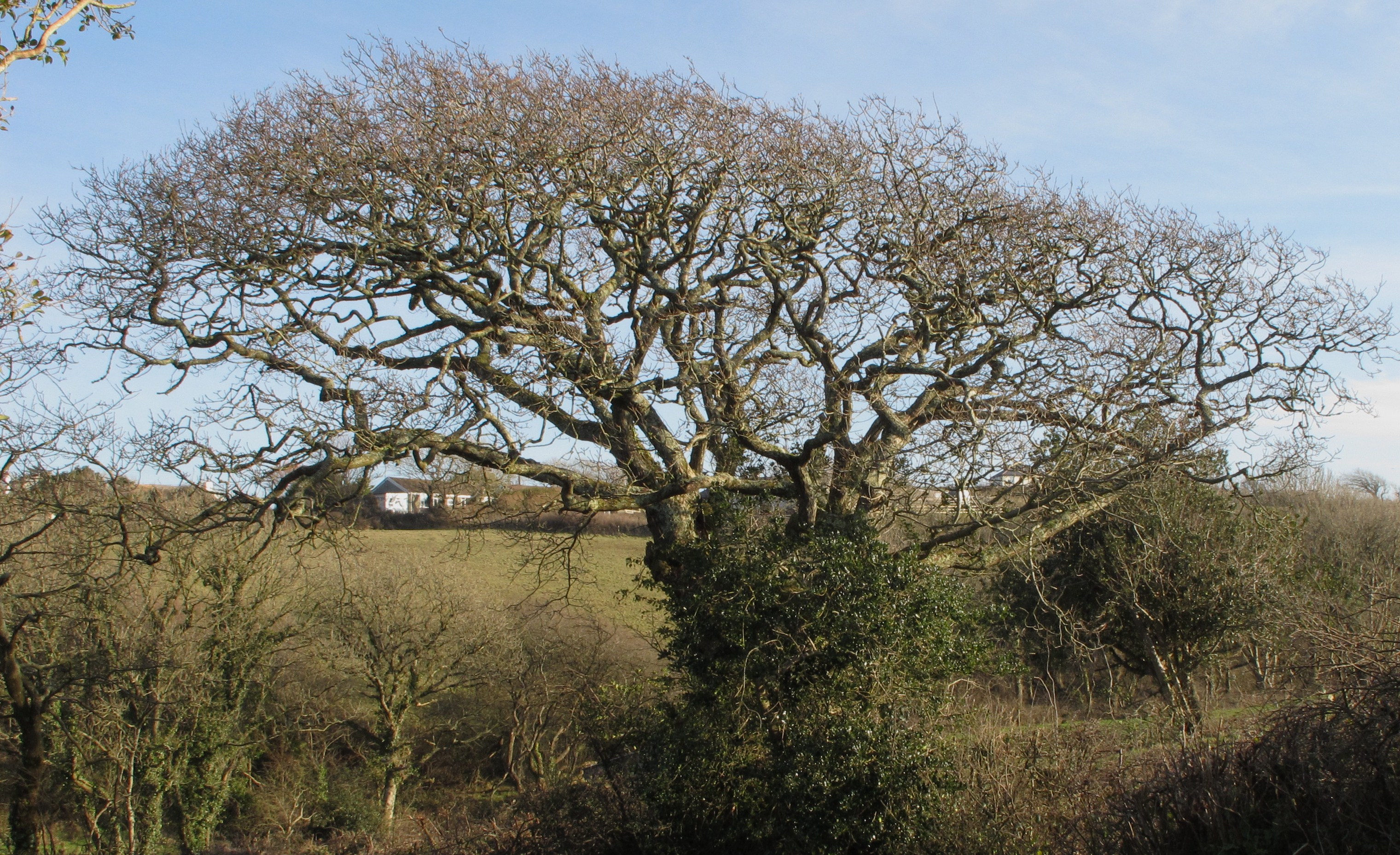
Eating your way across North Cornwall’s landscape

Spring is what people used to call the hungry gap–the time of year when the food they’d by for the winter was running low and the crops were nowhere near ready to pick. So–I’ve been told–people around here turned to the hedgerows and picked what they could.

flowers, haze 018


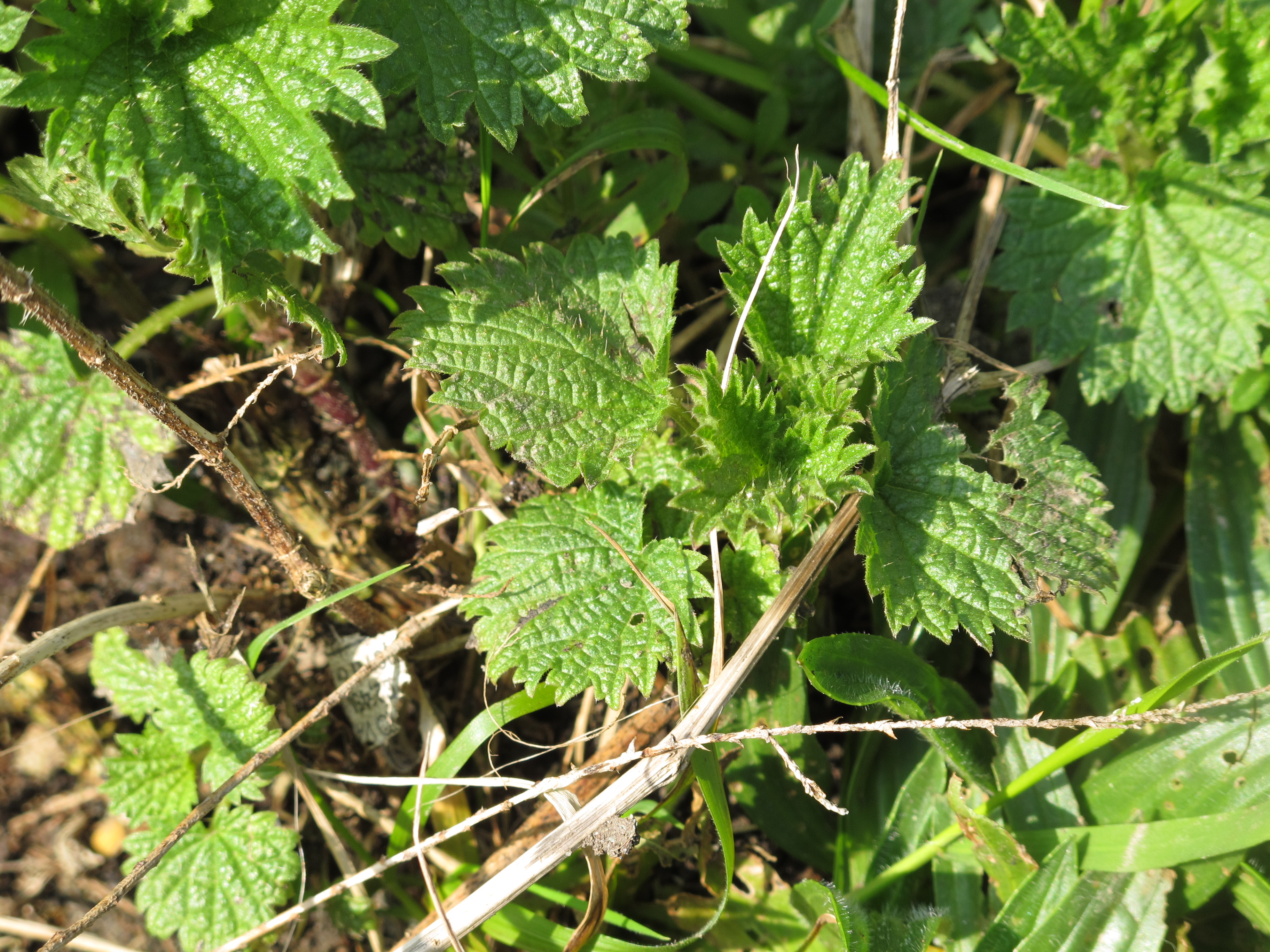
These are nettles–horrible itchy things but they loose their itchiness and are edible as soon as you steam or boil them. You can use them pretty much like spinach, but you have to be careful how you pick them.

flowers, haze 012


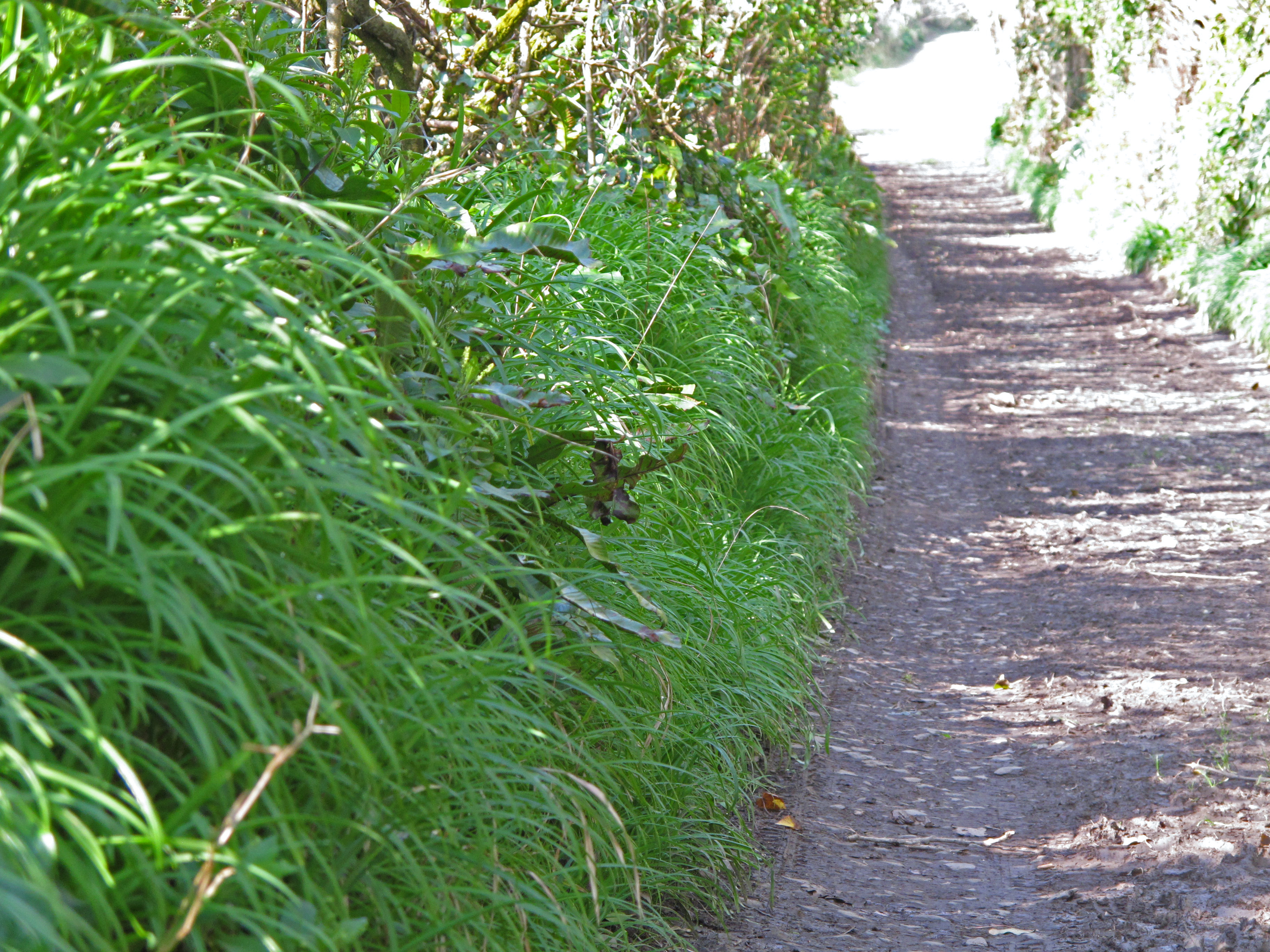
The grassy-looking things are three-cornered leeks. They smell more oniony than garlicky, but all the same I can’t walk past them without wanting a pizza. Good in a salad, or tossed into a pasta sauce at the last minute.

flowers, haze 007

G. tells me this is the ancestor of celery–alexanders. They were brought over by the Romans (or so I’m told; I haven’t been able to confirm that). I’ve never cooked with them but G. has, and he lived to say they’re good. The seed, root, and flower are all edible.

flowers, haze 008

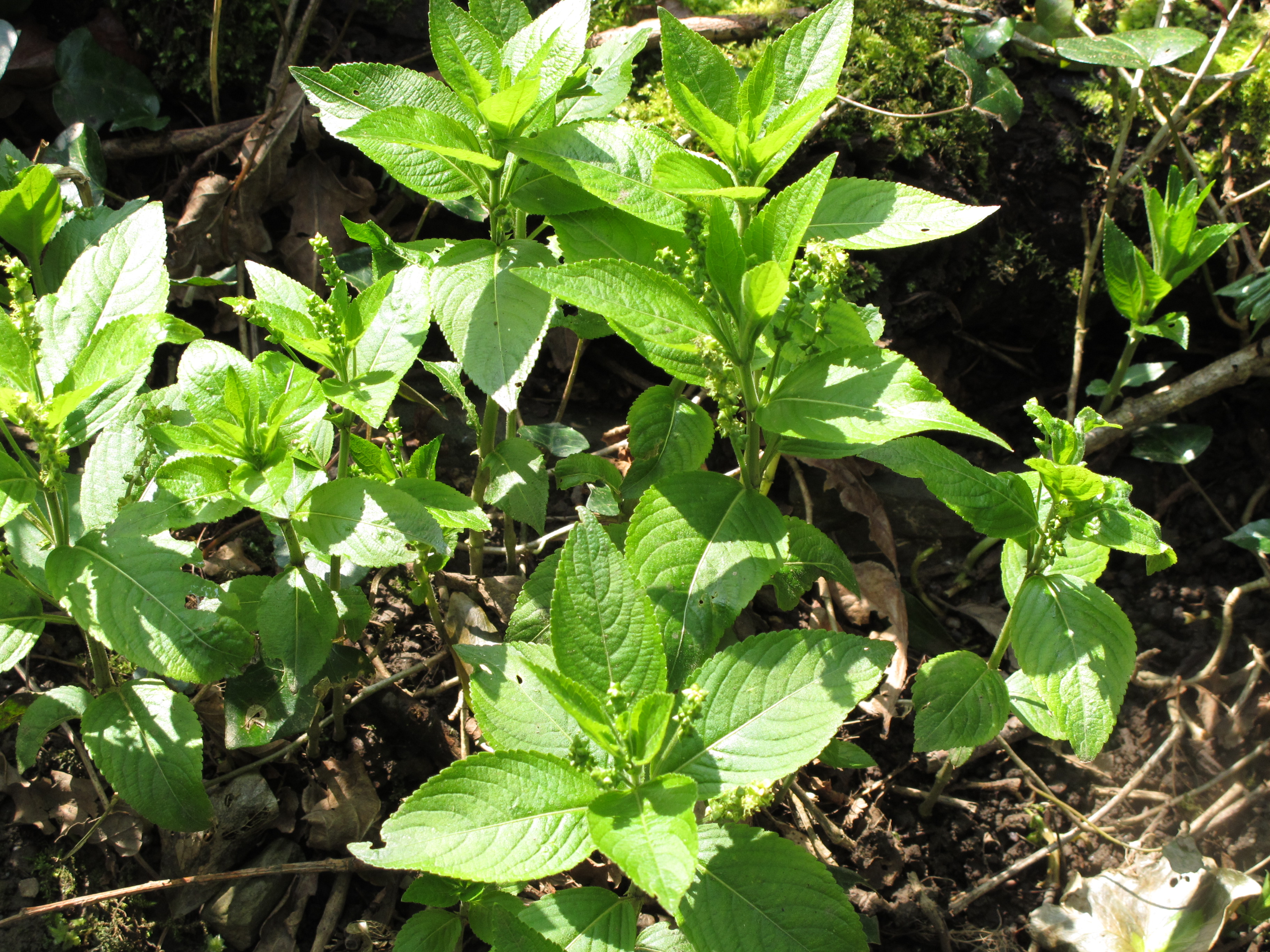
And finally, one not to eat. This is dog’s mercury. M.’s dog eats it, if she can, every spring. She eats it, then she throws up. That’s a dog’s idea of a fun day out. It’s toxic in large doses. The “dog” in the name means the plant isn’t useful. Except to M.’s dog.

Strange British traditions: cheese roll and flaming tar barrels

The other day, Wild Thing and I were talking with friends about the Gloucester Cheese Roll. Unlike an egg roll, which in Britain is an egg on a roll and not (as it is in the U.S.) Chinese veggies and sometimes meat or seafood deep-fried inside a wrapper, this is not cheese on a roll but an event where people chase a wheel of cheese down a very steep hill. (The event is also called the Cheese Rolling and the Cheese Race, but let’s stick with the more confusing name, please.)

In Britain, what Americans call an egg roll is called a spring roll. In the U.S., a spring roll is an unfried egg roll and in case you need to know, I like them better. That’s all as irrelevant as it is confusing, which is why I include it.

For endless images not of an egg roll but of the cheese roll follow this link.

Irrelevant photo: Launceston Castle, with a church in the foreground

Irrelevant photo: Launceston Castle, with a church in the foreground

But back to the event: The winner of the race gets to keep the cheese. The ambulances at the bottom get to carry selected losers to the emergency room, which in Britain is called Accident and Emergency.

That business about the ambulances? That’s not a joke.

“Why,” I asked (and you may need to be reminded at this point that I was sitting around with Wild Thing and our friends), “do people do this?”

“Boredom,” D. said.

Both friends, irrelevantly, have names that begin with D.

“Think of it as a Saturday night in February in a small-town Minnesota bar,” Wild Thing said. “A couple of people go outside and punch each other, then they come back inside and everybody keeps drinking.”

I never lived in small-town Minnesota, but Wild Thing did, so I’m going to have to take her word for this. I do understand boredom, but my way of dealing with it doesn’t usually involve hospitals. So I told D. and D. about our village’s earring fishing contest, which is an ordinary enough fishing contest except the contestants have to use an earring as a lure. It’s been running for a few years. I told them about the Boscastle raft race, in which the teams build rafts but can’t use anything nautical. Last year was its first year. My favorite entry lost. In fact, it sank. It was a picnic table on beer kegs, with a parasol that blew off either before the race started or right after. If I remember correctly, the raft was paddled with skateboards. Still, no ambulances were harmed in the making of either the race or the fishing contest (although the contest didn’t amuse the fish particularly), so I have less trouble understanding them.

From what I’ve seen on the internet, the official cheese roll ended a few years ago, when it couldn’t get insurance, and it’s now organized by an informal (and presumably un-suable) group. The mention of insurance reminded D. (well, one of them) of the flaming tar barrel race in Ottery St. Mary, which went on safely for years, even though people were racing around with, yes, flaming tar barrels, until some idiot tossed an aerosol can into one, and the can did what aerosol cans do when exposed to flaming tar: It blew up. No one—as far as I know—was hurt, but I’m willing to bet a lot of people were scared shitless.

The race continues. I don’t know what they do about insurance. Or aerosol cans and idiots.

The events we talked about fall into two categories: new and ancient. Many of the ancient ones seem to reach back to pre-Christian times and then piggyback themselves onto more recent holidays—May Day; Guy Fawkes Day. You can see the echoes of spring fertility celebrations, of the fall equinox. The tar barrel race is in the fall and you get fire, and days growing shorter. It’s insane, but I do see a connection. The cheese roll, though? It’s in the spring and I may be missing something, but it doesn’t strike me as an obvious way to celebrate the earth’s fertility.

What does it say about a culture that it creates these wonderful, lunatic events? I don’t have a clue, but I do know that they’re not commercial inventions, and they’re not the synthetic creations of a bunch of people nostalgic for the good olde days when knights were bolde and old crones knew the use of every weed that grew in the hedges. They’re created by real people, in place after place. Sort of like weeds, since I just mentioned them. No one plants them; they just grow. If you want folk culture, you could do worse than look here. And I can’t help imagining that they all start in the pub. Go back to Wild Thing’s February small-town Minnesota bar. Boredom plus beer. What could be more powerful? But instead of a simple brawl, these are elaborate events that demand months of planning. Commit-tees. Meetings. Ambulances. Delayed gratification, if you like. Which may be a good thing and may not be. If what you really want is the adrenaline of a fight, you probably fall on the not side. You end up starting a war. Or running through the streets with a flaming tar barrel. Or getting someone else to do it while you stand on the sidelines with a starter’s pistol, you clever devil.

In the interests of learning more about my new home, I hope to get to this year’s cheese roll, and to report back. If all goes well, we’ll discuss the tar barrel race. I make no promises.

The cheese roll is in May and I’m keeping my eye on the calendar.

Stereotyping the English

In response to “An update on search terms,” Drewdog 2060 wrote, “I am finding it difficult to comment as my collar, freshly starched by my butler this morning, is restricting my air supply. Too many good dinners at the gentleman’s club in Pal Mal. I do not, of course subscribe to stereotypes.”

Which got me thinking about stereotypes a bit more—okay, I’m not going to say seriously, since I try not to take my seriousness too seriously here, but a bit more than I had been. Even though I was the one to raise the topic.

When I was a kid, my father would sometimes give voice to a character he called the Constipated Englishman. The CE was a kind of Colonel Blimp figure (more about him in a minute) who never managed any real words but harrumphed a lot and made my brother and me giggle.

Irrelevant photo: Field patterns, late winter

Irrelevant photo: Field patterns, late winter

Ah for those innocent days when you could insult an entire nationality and not have to wonder if it was a good idea. I offer you a verbal wince on my father’s behalf, because wasn’t a person to go in for stereotypes. He never made racist jokes and, with this exception, didn’t make jokes about entire nationalities either. But the English had been winners in the global poker game for so long, even though by then they were losing their chips, that they must’ve struck him as fair game. Besides, he had two giggling kids begging him to do the voice again, on top of which he probably saw the CE not as representative of the entire country but of a particular type of person it had given rise to.

I was too young to understand anything that subtle, so for years I more or less believed the entire English nation was male and upper class and constipated. And yes, if I’d stopped to think about that I’d have known it defied the laws of physics or probability or something else scientific, but that’s the thing with stereotypes—most of the time you don’t stop and think about them. They just drift around in your head like wisps of fog, obscuring one thing and leaving the rest clear. You can stop noticing that they’re there at all.

And here we should get back to Colonel Blimp, who was a cartoon character created by David Low as a result of overhearing two military men in a Turkish bath arguing that cavalry officers should be allowed to wear their spurs inside their tanks.

Um, yes indeed they should. Not to mention their swords. We can discuss the horses another time. I want measure the tanks they used back then before I give a definitive opinion.

Unlike the CE, who never even had a name, Colonel Blimp encapsulated the officers Low overheard so well that the entire type is now named after him. He was a character—particular and individual, even when he stood in for a group. You might want to argue that he was a stereotype, but it would be a harder argument to make.

All this is on my mind because when you write about the differences between cultures—and especially when you try to be funny about it—it’s easy to slide into using stereotypes and being, basically, a shithead. So if I cross the line here, I invite you to throw a rock. Or a cavalry officer’s spurs or a tank—whatever’s handy. Or better yet, a comment. It’ll annoy the hell out of me, and I’ll be grateful.

And in case you’re interested, the profound sociological, nonjudgmental reason that stereotypes are wrong is because they make the person who broadcasts them into a shithead.

Aren’t you glad I’m around to present these things dispassionately?

Notes from the U.K. inspires a poem

Notes has inspired its first poem. Seriously, folks, we’re talking high art here. You can find it at Praying for Eyebrowz (that link’s to the site itself; for the poem specifically, try the first link) and it’s about wood rot. I know, so many poems have been written about wood rot, it’s hard to come up with anything new, but she has. The poem came out of the Comments section of “What people want to know about Americans in Britain,” and I don’t really understand anymore how we got around to wood rot, but we did. Look for Nananoyz’s comments if you want to make sense of it all. And good luck with that.

An update on search engine terms

After Friday’s post went live, I found another search term that led some poor soul to open, if not actually read, Notes: “what is americans favorite accent,” it asked plaintively and without a question mark. Along with that came three more almost identical questions about good manners in public places in Britain.

So if they’re going to Britain, people worry about good behavior, imagining those Victorian Britons who could read bad behavior (not to mention bad breeding) in the way people held their hands, or set their feet down on the pavement. But if they’re going to the U.S., they imagine Americans as kids in a candy store and worry about what we like best.

Says a lot about the images of our two countries, somehow.

Me, I’ll have two gumdrops, please, plus one packet of north Texas accent and an ounce of Brooklyn.

What people want to know about Americans in Britain

Like so many other bloggers, I’ve become obsessed with my Stats Page. To the point where I have to remind myself that yesterday’s stats won’t change, no matter how many times I check them. And having told myself that, I check them again anyway. (I use the old Stats Page, because it has yesterday’s stats. And because I hate the new one.)

But the most interesting bit of the Stats Page is what I find under Search Engine Terms. This is where I see what people really want to know about Britain. Or about Americans in Britain. Or about life, poor dears, and then they get shunted in my direction and who knows what happens to them next. Nothing good, I’m sure.

Irrelevant photo: Where cats hide on gray days

Irrelevant photo: Where cats hide on gray days

Before we get to the list, I should admit that I’ve edited out the most sensible entries. This isn’t sociology, kids. We’re trying to have fun here, so settle down in the back row. Pay attention.

I’ve left the spelling and capitalization as I found them. When they think no one’s watching, most people are as lazy about capitalization as I am. Of course, it’s possible that either search engines or WordPress turns everything into lower case and the handful of capital letters are only there because I imported them without noticing. Either way, we’re becoming nations of illiterates.

Sad, isn’t it?

Enough. Here’s the list.


british english obsessed with the letter U

tea in motion

slang used today

beech loses sand

lemon drizzle cake american measurements

guy with a camera

lemon drizzle cake notes

why does cnn anchors talk with accent

musical quavers and crotchets

manners American

musical notes in British

uk.com sex (this showed up two days in a row; don’t ask; don’t even think about it)

american chocolate chip cookies uk

what should we do to show good manners in public places in britain (twice in one day, once without the S in manners)

show good maner in public place in britain


What do we learn here?

  1. That what Americans most want to learn about Britain involves lemon drizzle cake, which, sadly, they won’t learn here since we pretty solidly established that the recipe I posted wasn’t a true lemon drizzle cake but some other kind of lemon cake in disguise. In its defense, it was measured in cups.
  2. That what people who could be from anywhere most want to know about Britain has to do with good manners and musical notation. In the case of manners, they sound a bit desperate. I feel bad about that, because I can’t think I’ve been much use on the subject. I’m not sure what subject I have been much use on. I’m nervous about being made an Authority, even if it’s by something as arbitrary as a search engine.
  3. That somebody wants to know about American manners and assumes we have some.
  4. That a lot of strange stuff gets typed into Google and that some of it gets shunted here for no apparent reason. Guy with a camera? Have the words guy and camera even showed up in my posts?

And what could we teach, if anyone who asked was listening? That CNN anchors talk with an accent because if human beings stop talking with accents they don’t talk at all. It’s like breath: no breath, no speech; no accent, no words.

And the uk.com sex query? That sounds a bit desperate, and it makes me want to know what have you lot up to when I wasn’t looking.

American baking in Cornwall: baking powder biscuits

I’ve been browsing through too many blogs lately, so I don’t remember where I found the question “what do Americans mean when they say ‘biscuit’?” (I’m paraphrasing. If I didn’t remember to make a note of where I was, raise your hand, please, if you think I had the foresight to copy the actual words. No hands? I didn’t think so.) I left an answer, then thought that in the interest of intercultural mayhem, which I do so much want to promote, I should answer it here as well. So for anyone who (a) isn’t American or (b) is American but is somehow unaware that biscuits are bliss, I’m going to print a recipe. Just as soon as I manage to shut up.

Which may not before a while. Feel free to scroll down if you’re bored. I’ll never know.

Irrelevant photo: It's spring! Crocuses by our back door.

Irrelevant photo: It’s spring! Crocuses by our back door.

Since I moved to Cornwall and began my campaign to mess with the purity of English cooking, I’ve learned to call biscuits baking powder biscuits to distinguish them from cookies, because that’s what anyone British would think I meant otherwise. Although they also say “biscuits” to mean crackers. While we’re at it, crackers are also something non-edible that show up on the table at Christmas. Are you confused yet? That tells you you’re not British. In case you weren’t sure.

Don’t you just love the English language?

In the U.S., I was more likely to call baking powder biscuits either just plain biscuits or buttermilk biscuits. But let’s stick to the phrase I’m currently using: Baking powder biscuits are a cousin of the scone, but they’re not as sweet. Or if you’re comparing them to savory scones they’re not as—oh, you know, scone-y. Sadly, they’re also not as good cold. The leftovers tend to taste kind of salty. But that only means you have to eat more while they’re warm, because they’re light and glorious then.

I didn’t grow up in the American biscuit zone, which is made up of (a) the South and (b) the African-American community in any part of the country. Those are generalizations, I know, but they’re accurate for the present purpose, which is to say that in spite of my geographical and ethnic limitations, I’ve been around both parts of the zone enough to know good food when I see it, and since Wild Thing’s originally from Texas, learning to make biscuits seemed like a good idea. I mean, if she can not only eat but pronounce both challah and knishes, I can surely make biscuits. She swears mine are better than her mother’s, but I only dare say that in public because her mother’s dead. The difference, I suspect, is that I use butter. You can use margarine if you like, or (probably, but what do I know? I’m a Jewish atheist New Yorker and a distinctly amateur cook, which makes me no expert on the subject) lard or pretty much any other hard fat.

The trick is to use as little liquid as possible—just enough to get the dough to form a ball. Too much liquid and the biscuits will be tough. That much I do know.


Baking Powder Biscuits

(makes 8 or 9)

2 cups flour

1 scant tsp. salt

2 tsp. baking powder

½ tsp. baking soda

1 tsp. sugar

2 ½ oz. (5 tbsp.) butter

¾ cups (approximately) buttermilk or milk with vinegar * (see note below)

Sift the dry ingredients together—or if you’re as lazy as I am, dump them all in a bowl and take a whisk to them. I swear it works just as well. Cut in the butter  or crumble it in with your fingers. Your fingers will warm the butter, so cutting it is better. If you can find a pastry blender, that’s ideal. Don’t lose sleep over how small the bits of butter are; as long as you don’t leave it looking like gravel, it’ll be fine. Stir in just enough buttermilk to form the dough into a ball. Knead if very briefly—no more than 30 seconds—just to bring the dough together fully .

Dust your counter with flour and roll the dough out so it’s about ¾ inch thick. Understand that I’m making up the thickness. Mine vary all over the lot. Cut into rounds with a biscuit cutter or a glass. (My biscuit cutter had a diameter of 2 ¾ inches. Just so’s you know.) Set them on a greased baking sheet, which in the U.S. I called a cookie sheet. It doesn’t matter if they touch.

Bake in a 450 F. / 220 c. oven for 10 to 12 minutes.

Since the thickness of my biscuits varies from batch to batch, I pry one open to make sure they’re done in the center. You’ll want to split them when you eat them anyway, so it doesn’t show.

Eat warm with any combination butter and/or honey, jam, or gravy.


* If you don’t have buttermilk (and it’s not as widely available in the U.K. as it is in the U.S.), you can add some vinegar to the milk—roughly one teaspoon to a cup seems to do it. I sometimes add more. It doesn’t seem to be finicky. Just don’t use a flavored vinegar, or a red one unless you want pink biscuits. White or cider work well.

An American gives directions in Cornwall

Something notable happened the other day: A guy in a landscaping van stopped while I was walking the dog and asked for directions, and even though he heard my accent (yeah, well, how could he not hear it?), he drove in the direction I suggested.

I should mark the date on my calendar so I can celebrate it next year.


The Cornish relay delivery system

Not long ago, someone asked if I could return a handful of leaflets to someone in Truro. Or to someone else in St. Austell. The problem was that I live about an hour from Truro and, oh, 40 minutes or more from St. Austell. I didn’t want to make either drive just to hand over some leaflets, then turn around and drive home.

An aside here: P. told me long ago that time’s an American way of measuring distance, but I swear it’s the only way that makes sense here. Speed depends on the road, and Cornwall’s full of back roads, so distance is only going to tell you just so much.

The solution was to employ the Cornish relay delivery system. Wild Thing and I were meeting with someone relatively nearby (around here, nothing’s truly close) the next morning, and he was meeting with someone else in the afternoon—in Truro. So I gave him the leaflets and asked him to pass them on to the next person, who I’d emailed and who had agreed to either drop them off where they needed to be or let someone pick them up.

Irrelevant photo: Spot the direction of the prevailing wind.

Irrelevant photo: Spot the direction of the prevailing wind.

The same system delivered a leg of lamb to our house a few years ago. Wild Thing—the household meat eater—had bought a leg of lamb from A., who raises lamb, but when she went to pick it up, it had already left. J. had stopped by and was on her way to see a neighbor of ours (let’s call the neighbor J.2 for the sake of either clarity or confusion, take your pick). As far as A. was concerned, it had been delivered. Only we didn’t have the meat.

We went home and Wild Thing called J., who’d stopped by our house, she said, but we were out, so she left it with J.2, who stuck it in her refrigerator.

Are you still with me?

Wild Thing went to J.2’s house, collected her leg of lamb, and stuck the meat in the oven.

We thought it was all very villagey and—here we go again—quaint until we used the same system ourselves. Then we thought it made perfect sense.