How people find a blog, part 2. Or 3.

What does the world really want to know about Britain? For the second (or possibly third; I’ve lost track) time, I’ll tell you. And how do I know? you ask (if you have any sense). I track the questions that lead people here, and this is an entirely scientific and reliable system because search engines are entirely reliable and the internet is a place of complete sobriety and good sense.
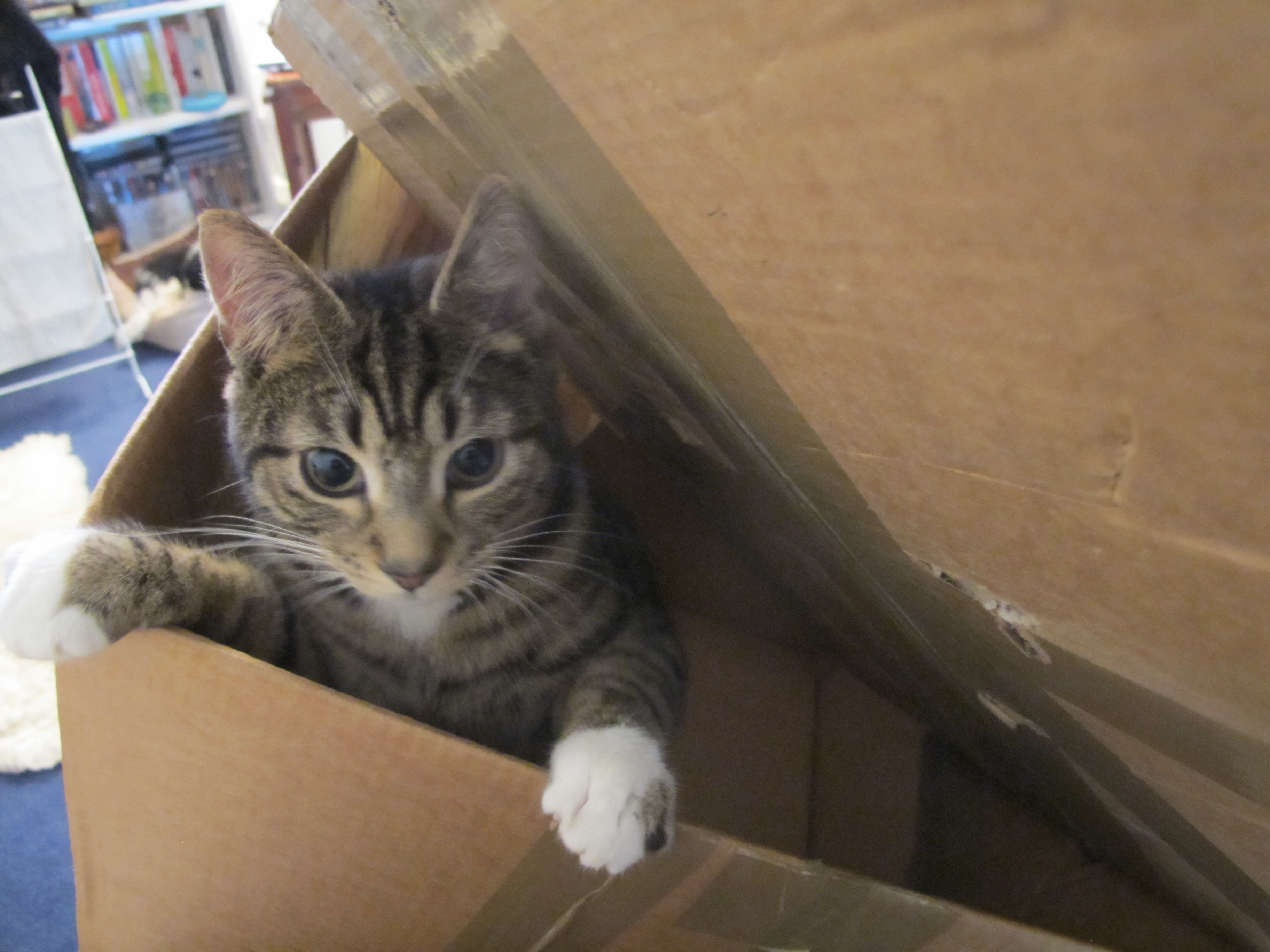
Semi-relevant photo: Fast Eddie, who gets a mention below.

Semi-relevant photo: Fast Eddie, who gets a mention below.

People have asked about:

Geography:

Why Britain is called Great Britain. This is the most commonly asked question and it comes in assorted forms and with an interesting misspelling or three thrown in to keep me amused. It’s also one of the questions I actually answered.

The Silly Isles in Britain. This search is so logical and so wrong. Give the writer credit for knowing how the islands are pronounced, then get out your red pen and write “Scilly Isles.”

Do Brits still like American tourists? I’m not sure. Did they ever? Maybe not, because people also want to know Why Brits hate American tourists, Not to mention Do Brits see Americans as naughty children? and (irrelevantly) Why do Americans love the British? None of this is exactly geography, but I’m assuming the writers are thinking of traveling. Close enough. And really, folks, the answer to all of this is that there is no single answer. The British haven’t achieved a unanimous opinion on this. I’m tempted to add “or on anything else,” but that’s just wise-assing around. They have a consensus and maybe even unanimity on the weather and on baked beans.

Culture:

Gloucester cheese rolling. I’m glad to see it getting some recognition. This is a deep and resonant part of British culture. It must be, because I can’t think of any other way to explain it. Someone was also looking for British culture celebrations, although it’s hard to know if they wanted deep-rooted folk traditions (in which case see not just Gloucester but also the flaming tar barrels) or high culture, in which case go elsewhere because I’m useless.

(A note about why I’m providing links on some topics and not on others: Some posts are easy enough for me to dig out. Others are buried somewhere in this morass, and as people here say with such style, I can’t be arsed.)

American and British manners. That’s easy: We (that’s Americans) have none; they (that’s the British) have lots. I’ll group this with American and British dinner manners TekeT. What does TekeT mean? For all I know, it’s some obscure element of British dinner-table manners that I haven’t picked up on and, oh, how I’ve been offending people. Or the cat walked across the keyboard. But what I really want to know is how the writer got two capital letters past Google’s No Caps filter, because those capital Ts are from the actual search question. And no, it’s not really a question, but let’s move on. For no particular reason, I’ve added caps into the questions in this post, except for those two Ts. But to answer briefly, British eating is knife right, fork left and how you hold the fork indicates your class. What should a foreigner do? Dive for cover, because whatever impression you want to leave people with—except the impression that you’re an outsider—you won’t get it right. Americans, on the other hand, juggle the tableware from one hand to the other. Not the plates, though. Or the glasses. Sorry. Just the fork and knife. What should be done to show good manners in Britain? I had a burst of these, possibly from some single person who didn’t find an answer but kept coming back, and possibly from the misdirected half of a class whose teacher assigned the question. It’s an interesting concept. I always thought of good manners as something you have—you know, the way you have a dime or a stomach ache or black hair. But this is about showing them, the way you show a bus pass. If I ever figure out the answer or why the difference is significant, I’ll write a post.

Poster showing difference between city life and village life (maxi…). I’m guessing that “maxi…” is a word limit that got cut off, although how a word limit applies to a poster I don’t know. But whatever the word limit is, kid, go do your own homework.

American swearing vs. British swearing. Ah, now this is important. Sadly, I don’t feel I can do justice to the British side of the topic. Maybe we could explore it as a community. If we put all our twisted little minds together we’ll learn something interesting. As for me, I swear in American and if you’ll forgive me for bragging, I’m not bad at it. Still, I don’t want to monopolize that side of the conversation, so I welcome all contributions, British, American, and other. I’ll open by saying that Americans don’t use bloody as a swearword and—if you’ll forgive a generalization—aren’t sure if it’s a mild one or a strong one. Who’s next?

The British and their pets. They have them. They love them. (Sorry—more generalizations. When you write about a culture as if it was all one thing, that happens.) If you want to start a conversation, look for someone with a dog and ask about it. Or talk to the dog. The person may answer.

New subsection, same topic:

Why are these stupid wigs worn in court? This came from a lawyer or judge. Notice that phrase “these stupid wigs.” The writer has one in hand. Or on head. And is not happy about it. I sympathize. I got several versions of the question. Most included the word stupid, one was about judges’ wigs, one was about lawyers’ wigs, and one was about ill-fitting wigs.

What has happened to Mrs. Baggit signs? Ah, nothing goes to the heart of British culture like a judge’s wig or a Mrs. Baggit sign. They read (and that read can be read as either present tense or past; take your pick), “Mrs. Baggit says, ‘Keep Britain tidy.’ ” But to answer the question, I have no idea. They are (or if they’ve all disappeared, were) so obnoxiously fussy that I just loved them. In a twisted sort of way. If they’d been in the American countryside, they’d have been used for target practice. Or they’d be decorating the walls of some teenage bedrooms.

Do bearskin hats grow? No. Once the bear’s dead, the hat can’t grow.

Neutral accent different from British accent if migrating to UK. There is no such thing as neutral accent, my friend. Every accent’s an accent. Even yours. Even the one you teach yourself in order not to sound like yourself.

British pub archive quizzes. Sorry, if an archive exists, you won’t find here. I hate quizzes. Go make up your own.

Who are the emmits? If you’re asking, sorry, dear, but you are. And so am I.

Tutting in U.K. This also goes to the heart of British culture. Probably even more than the Mrs. Baggit signs, the wigs, and the baked beans. Since I’m not only an emmit but a foreigner, I can’t give a tutorial on either tutting or being tutted. All I can tell you is that if you’ve been tutted, you broke one of the culture’s unwritten rules. And the laws of probability state that it was probably about standing in line—or queuing, as the British say. It’s the national religion and if you sin you will be tutted.

Brit TV. Yes, they have it here. Some of it is good. Some of it isn’t. And some of it is the Chelsea flower show. Or Springwatch—an hour a day for an entire week on wildlife in spring. Whether that’s good or bad depends on your taste in TV.

Crime in Britain. They have that too. Possibly even at the Chelsea Flower Show.

Flying the flag, U.S. & U.K. They tend to do it less here. I’m guessing they already know what country they’re in. In the U.S., we have to reassure ourselves about that.

Food:

Scheme to compliment Dorset cream 68. Does it have to be a scheme? Can’t you just come out and tell it it’s wonderful? But before you compliment the Devon stuff, you should at least check out Cornish cream. They’re exactly the same (as far as this emmit can tell), but in bitter competition. But about that “68”: It worries me. If it’s a year, the cream will have gone bad by now.

Toffee sticky pudding recipe. (Also sticky toffee pudding recipe.) A few people knows what matters in life.

Must eat sprouts during Christmas in U.K. I had a burst of questions about brussels sprouts and then silence—maybe because the season was over. They’ll be back next year.

Why English beer tastes like American beer. Dunno. I always heard that it didn’t.

British garlic cheese. I haven’t seen any anywhere. On the other hand, I haven’t been looking. It doesn’t taste like American beer, though.

Scones with jam in the middle. You put the jam in the middle after you bake them. Scones are like toast that way—a do-it-yourself operation. The only time I can remember seeing them pre-jammed is at village events, probably to keep anyone from taking too much. Or (to put a kinder interpretation on it) because it’s faster and less messy .

Lemon drizzle cake using cup measurements. Every time I review the searches that lead people here, someone—and usually several someones—is (or are, take your pick since we’re working with both the singular and the plural) asking for a lemon drizzle recipe using cup measurements. Sadly, I completely bungled the one I posted. Will the shame never end?

A nice cup of tea analysis. Is that Freudian or chemical? Did someone spill tea on the couch? What does it all mean, doctor? Who wrote on making tea? Um, lots of people. Including me. Which goes to show you that it doesn’t take an expert. As far as I know (and that’s not far), Freud had nothing to say on the subject.

Random:

The difference between US and UK bureaucracies. What a strange world. Someone actually asked that and more or less found an answer, although I wouldn’t offer it as a definitive one.

UK headline style. That came from someone with the mind of a copy editor, only instead of going to an authoritative source (as any good copy editor would) he or she cast his or her (this gets silly very quickly, doesn’t it?) self at the mercy of Google and the internet and just look where he or she landed. In a blog written by someone who wants to use they as the generic pronoun but hesitates to do it in a sentence about copy editing even though she (that’s me—or I, if you like) does (or do) it elsewhere. Oh, stop. Even I lost my way in that mess, and I once knew what I was trying to say. Anyway, I don’t know what the official style guide is over here. I’m retired and even if I weren’t I doubt I could adjust well enough to edit in British. But having worked as an editor and copy editor in the U.S., I can insist on finding some authoritative source, which is to say NOT THIS BLOG.

Season’s greetings. I’m afraid it’s a bit late for the holidays. This seems to be an email that someone typed into the search box. I had no way to let the sender know it went astray. I feel bad about this one.

Weather:

I had a bunch of questions about naming storms in the UK and in Ireland, maybe because that was in the news for a while. The topic’s dropped out of the news and so have the questions, but storm Jacob was pounding us on Wednesday morning, when I started writing this. One of the dogs got blown over on the way to the store. Not that the winds were apocalyptic. He’s the pup—the silly one you’ll find in the photos here—and he was off balance anyway. But it was wild out there. I got them home just before it started hailing.

Not about Britain but too good to leave out:

Could a bat have flown into a high shelf for shoes in my closet? Yes, I’m pretty sure it could have. Did it? Well, it didn’t take the train, so if you found one there I’d say the answer’s yes. Are the shoes relevant to your question? Probably not, but they’re interesting. It never crossed my mind to put shoes on a high shelf. At my house, they go on the floor, where my feet spend their time. That’s either logical or unimaginative. Or maybe it’s just because I’m short.

American greeting rituals. Mostly we just say “hi,” but occasionally we tear off our clothes and run three circles around the nearest piece of furniture while waving feathers. Then put our clothes back on and act as if nothing happened. But that’s only with people we know well. As a casual visitor, you’re not likely to witness it or have to take part.

Sex scandal American. What, was there only one?

Americans commenting on your U.K. accent. Ah, yes, they will. But they’ll love it. Even if they make fun of it, somewhere in there they’ll believe it’s the most sophisticated accent on earth.

The cutest kitten in the universe. That would be mine. Just ask him. But he’s almost a cat now. He’s still cute, but he’s lost that kitten factor. Very sad.

All-time strangest search:

Veri veri sepr sex. I’m reasonably sure that’s not Latin for I had super sex last night and want to tell someone I don’t know all about it. But I never studied Latin, so don’t take my word for it.
Wishing you a happy but belated Pancake Day

Pancake Day came and went quietly this year. It’s a holiday I never heard of before I moved to the U.K. and it’s such a quiet one that I’d been here a couple of years before I even noticed it.

Pancake Day is also known as Shrove Tuesday, the day before Lent starts. Traditionally, anyone who kept Lent gave up everything fun, and that put a lot of pressure on that last pre-Lent day. So New Orleans went wild with Mardi Gras and still does. Brazil cut loose during Carnival and keeps right on doing it. And the British? They eat pancakes.

Does this country know how to throw a party or what?

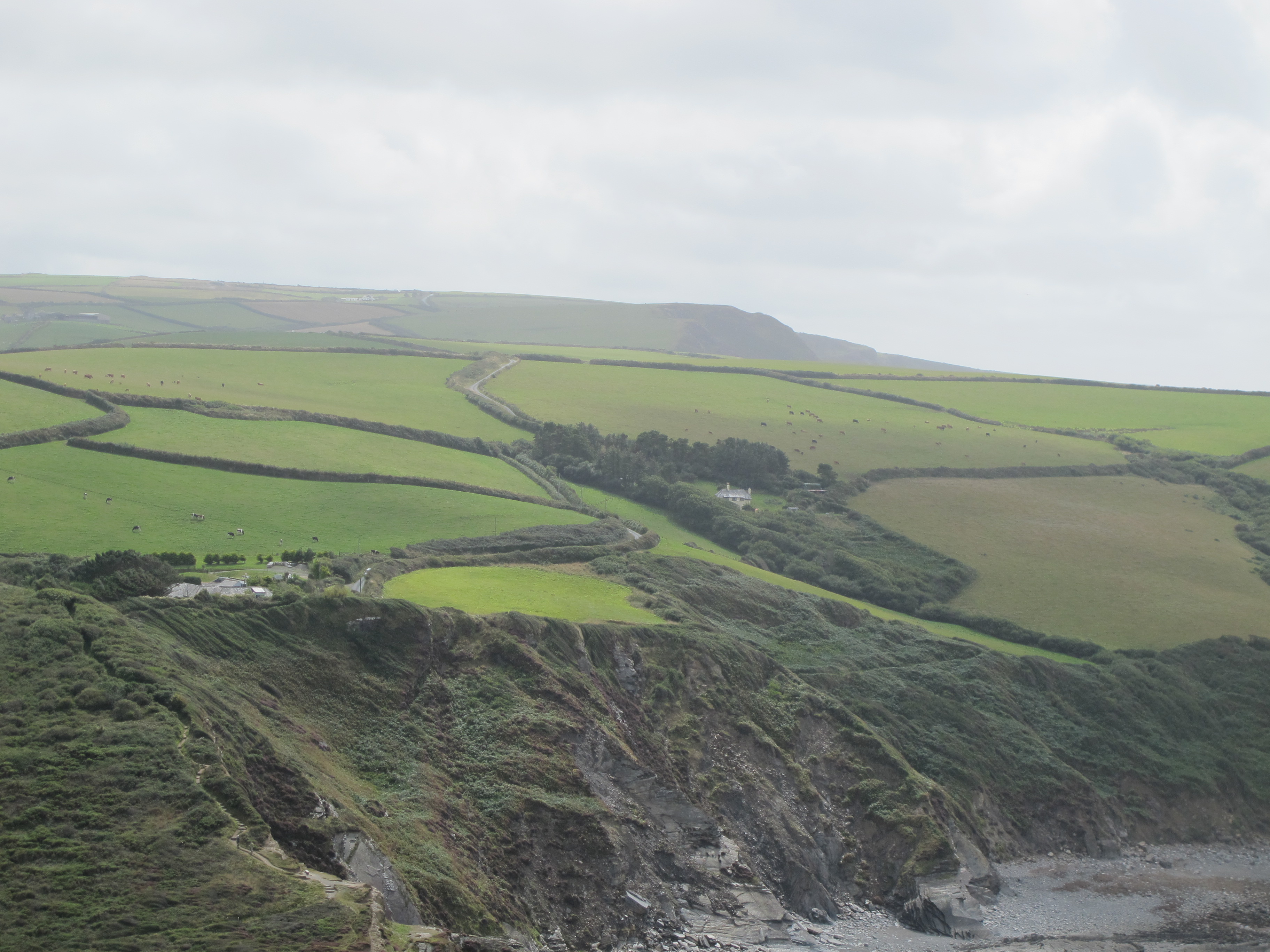
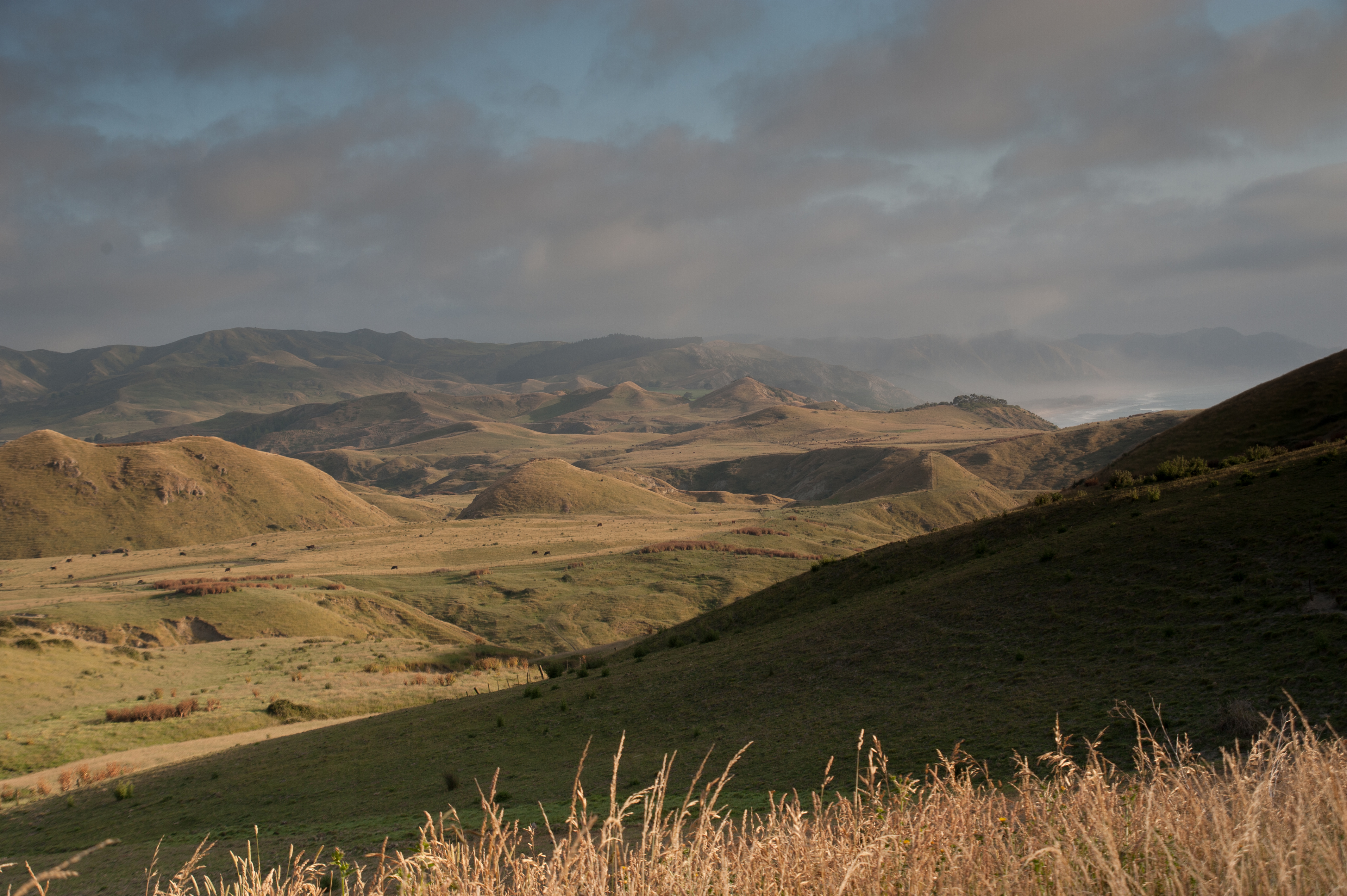
Screamingly irrelevant photo: This is from New Zealand and has nothing to do with anything. Nice, isn't it? Photo by Ida Swearingen

Screamingly irrelevant photo: This is from New Zealand and has nothing to do with anything here. Nice, isn’t it? Photo by Ida Swearingen

The logic of Pancake Day is inescapable. People were supposed to give up eggs, milk, and sugar during lent, so they used them up the night before by making pancakes. What were they supposed to do with the eggs the chickens went right on laying and the milk the cow kept on giving? Because cows and chickens don’t care if it’s Lent. They don’t believe in any religion, and even if they did biological processes are hard to control But what do I know? I’m Jewish and I’m an atheist, and if that isn’t enough I grew up in New York, where we didn’t keep a lot of cows or chickens. So I’m not an expert on this stuff. In fact, I thought all a person had to do during Lent was give up one thing, like orange bubble gum or blue frosting. But maybe that’s a toned-down modern approach.

Anyway, these days Britain’s long on tradition but light on traditional religion. So it substitutes eating pancakes for emptying the cupboards of all the good stuff and entering a somber season in a sugar-free, egg-free, lactose-free condition. And even I can get behind eating pancakes, although not on a fixed day every year, which accounts for me being late with this post.

So let’s talk about pancakes. They never go out of season.

British pancakes—at least the ones I’ve had—are more like French crepes, which is to say, thin. I first tasted them when a neighbor borrowed some flour because he had to make pancakes that night–it was Pancake Day–and in payment he brought us each a pancake, with lemon (I think) and (definitely) sugar. They were good. I can’t think of a bad thing to say about them. But sometimes a person just wants a thick ol’ American pancake. So be warned, I’m leading up to a recipe. Because no matter how good British pancakes are, I believe in the American version. What can I tell you? Talk to me about food and I’m capable of unreasoning patriotism.

I’ve seen British food writers offer approximations of American pancakes and they have some strange ideas about how we make them. One adds vanilla and honey but no baking soda or baking powder. Which is why she has to beat hell out of the egg whites. Another beats hell out of the whole mix until it’s thoroughly blended and lumpless, which is a good idea if you’re making a cake but not so great if you want pancakes, because they need a lumpy batter.

Why the food writers don’t just look in an American cookbook I don’t know, but here’s my recipe.

Pancakes

Serves 2 moderate eaters; for enthusiastic eaters, double the recipe and eat the leftovers cold and straight from the refrigerator

1 cup (4 oz.) flour

1 tsp. sugar

½ tsp. salt

¾ tsp. baking powder

½ tsp. bicarbonate of soda

1 egg

½ cup (or more) buttermilk (or plain milk with about 1 tsp. of cider or white vinegar added*)

1 Tbsp. (½ oz.) melted butter

Optional: blueberries, peaches, or raspberries

Put the dry ingredients in a bowl and whisk them together. That’s instead of sifting. I’m a lazy cook and this works. Beat the egg into the milk and add it to the dry ingredients. Add the butter. Stir until just barely mixed, leaving some lumps. Add more milk if you need to until you get a thick but pourable batter. The thinner the batter, the thinner the pancakes will be.

Stir the fruit in last.

Heat the frying pan (or several pans, which will let you cook them faster) over a medium-high heat until a drop of water bounces (in theory; I usually settle for it sizzling madly). Add a bit of oil or butter and spread it with a spatula. If you’re using a non-stick pan, you don’t need much; if you’re not, you’ll need more and will have to add more before each new pancake. Pour in a ladleful of batter. I generally make my pancakes a bit bigger than CD-size. but you can make smaller ones if you like. Hell, you can shape them into the letters of the alphabet if you want, but they’ll be hard to flip. Don’t put a cover on the the pan. Bubbles will rise and then break, signaling that the bottom’s probably done. Sneak a look and if it’s brown, flip the pancake. Leave the second side on the pan long enough for the center to cook through.

You may need to adjust the heat as you go. If the pancakes burn, turn it down. If they don’t brown, turn it up. You’d probably have figured that out without me saying it.

You can feed them to the ravening hordes as they get done of keep them warm in a very low oven until they’re all cooked and you can sit down yourself.

Serve with butter and maple syrup. Or if you’re in a Lenten kind of mood, with plain old yogurt, which is surprisingly good with them.


*The milk will curdle when you mix in the vinegar. That’s fine.

Important stories from the British press

What people lose

You can learn a lot about a country by what it leaves behind. So what does Transport for London report having found on the city’s trains and buses? A life-sized Spiderman doll. A prosthetic leg. Endless wallets, phones, and tablets. Umbrellas. A judge’s wig, a room-sized carpet, and an urn with human ashes. “Enough musical instruments to form a band,” including drum kits. No grand pianos, apparently.

I’m not sure who I’m quoting about that band, but unlike some quotes that drift through the culture, this one seems to have actually been said because the newspaper article I’m stealing the information from put it in quotes. It’s probably from a TfL spokesperson.

Oh, and a brown paper envelope with £15,000. Which the finder actually turned in.

A rare relevant photo: A London tube station. Photo by Ida Swearingen

Vaguely relevant photo: Public transportation, although not in London. This is the Exeter St. David’s train station. Photo by Ida Swearingen

I don’t know what any of that tells you about British culture. That judges wear wigs and ride the tube. That someone either thinks or knows that a judge’s wig is different from a lawyer’s. That stuff drops out of people’s pockets. You know—phones,  wallets, room-sized rugs, tubas. An archeologist would have a field day.

But the real treasures are in the comments at the end of the article, where readers talk about the stuff they’ve lost on public transportation (Guardian readers write the best letters to the editor and their online comments aren’t bad either): “the will to live” (Northern Line, winter of 1993), “the woman I love” (Chalk Farm Station), “my heart” (San Francisco, which is a city, not public transportation, but what are categories for if you can’t break out of them?), and democracy (location not specified but probably also not on public transportation). I won’t spoil all the fun. A lot of the jokes are about that prosthetic leg, but not all. I’ll leave you to discover them for yourself.

Tom Lehrer said, “Life is like a sewer: What you get out of it depends on what you put into it.” That may not be entirely relevant, although in an odd way it does seem to  belong here, but it is at least a genuine quote. (In a comment, Retirementally Challenged introduced the theory that some of the best quotes never got said.) Lehrer’s comment was on a record I played endlessly when I was in my teens. He may be to blame for the way I am.

What someone bought

You can also learn a lot about a country from what it sells. Want to buy a title? One was going to be auctioned off in December with (as far as I can figure out) a starting price of £7,250. I assume it sold. Sorry I didn’t let you know about it earlier but the clipping sank into the morass I call a computer desk and only just surfaced. So let me tell you what you (may have) missed:

The lordship of the manor of Woodbury Salterton village is roughly 1,000 years old. Buy the title (lord or lady) and you can use it on your checks and credit cards. You can join the Manorial Society of Great Britain. You can—. Oh. That’s pretty much it. I suppose you could put it on your mailbox. You could try to get mail and packages addressed to you that way. I have a post about that somewhere. Good luck finding it.

And all that for just £7,250–or maybe more, since it was an auction. What a thrill.

The manor (sorry, not the title; oooh, I’m getting all English, apologizing for stuff that isn’t my fault) was mentioned in the Domesday Book. If you haven’t heard of that, it was commissioned by William the Conqueror not long after 1066, when he decided to find out what he’d gotten his paws on in conquering England. The country, as it turned out, had no football teams at the time, no umbrellas, and no tea. You wonder why he bothered. It probably didn’t even have scones, since baking soda (that’s bicarbonate of soda if you’re British) and baking powder weren’t in use yet. At least not in baking. The Egyptians used a relative of baking soda to clean things and mummify people, but for baking? Nope. Not until the nineteenth century. Next time you find a list of all the marvelous things you can do with bicarbonate of soda, see if mummification’s on it. If not, it’s incomplete.

Where were we? Titles. The Lord or Lady of Whatsit. The newspaper article gushed a bit about the title (or maybe that was the manor; do you really care?) being steeped in English history, but I wasn’t impressed. Pretty much everything here is steeped in history. When they dug trenches for sewage pipes in a neighboring village, they found the remains of a prehistoric encampment and a burial site that mixed Christian (east-west burials) and pre-Christian (buried with grave goods, and I think north-south). One person was buried east-west and with grave goods, so whatever happened after death he or she would be ready for it. So history? You don’t need a title around here, just a sewage pipe.

What the British drink

Sales of tea have gone down 6% over the past five years and ordinary teabags—the ones that make what people call builder’s tea—have gone down 13%. It’s all (or mostly, anyway) the fault of coffee. The British have discovered that coffee can be something more than instant granules stirred into hot water and swallowed quickly enough to keep the taste from becoming noticeable. Coffee’s gone upscale. Tea sales are going down downscale.

There’s an English song that I have got to find time to make fun of someday, “There’ll Always Be an England.” It’s full of pomp and Empire and flag waving, and my apologies if you love it but the first time I heard it I was in one of those situations where you can’t let yourself laugh. I built up enough residual hysteria that I splutter when I so much as read the title. But the reason I’m bringing it up now is this: If tea is losing ground to coffee, will there always be an England? And not, how much longer can we count on it?

Long enough for the British Standards Institution to publish a guide to making the perfect cup of tea. It has the catchy title “Preparation of a Liquor of Tea for Use in Sensory Tests.”

What does it recommend? According to the Independent, it says, “You need a pot made of porcelain, and there must be at least two grams of tea to every 100ml of water. The temperature can’t go beyond 85 degrees when served but should be above 60 degrees for “optimum flavour and sensation.”

The Independent then interrupts the poetic prose and steps in to summarize: ‘The perfect pot size is apparently between 74mm and 78mm wide, and 83mm and 87mm tall. Since the average tea bag contains 1.5g of tea leaves, at least two tea bags should be used for a small pot, and four for a large one.”

The tea should brew for six minutes. And you should pour the milk into the cup first. That last decree is controversial. Seriously. If we have a civil war anytime soon, it will be over whether the tea or the milk should hit the cup first.

Which makes me think that, yeah, there probably always will be an England.

Naming storms in Britain and Ireland

The Met Office, weather forecasters to the U.K., has started naming storms. We’re not talking about hurricanes, just storms big enough to stand out. The idea is that if they have names the public will take more notice of them, and presumably of the danger they pose, and I’d love to make fun of that but as far as I can tell it works. Sad, isn’t it, not to make fun of something just because it’s sensible?

Here’s my evidence that naming works:

When I started writing this, we were waiting for storm Frank to hit. That means I wasn’t just sitting around waiting for some nameless storm, I was waiting for something with more definition than a bunch of unnamed isobars, however tightly packed, on a weather graphic. Frank didn’t pose any particular threat this far south, but we were expecting a bit of drama and I’m a sucker for finding out what’s going to happen next. Without the name, though, I’m not sure I’d have been so consciously keeping an eye out for it.

Borderline relevant photo: Boscastle in the evening--and more to the point summer--light.

Borderline relevant photo: Boscastle in the evening–and more to the point summer–light.

Back when I lived in Minnesota, we didn’t have an official naming system for storms, but a few got themselves named anyway, and those names give me a hook to hang my memories on.

The Superbowl Blizzard hit during a major football game. I never watch football—I have a serious sports allergy and, sorry folks, I just can’t—but the name means the storm has stayed well defined in my memory. I doubt an unnamed storm would be. The weather had been spookily warm just before the blizzard, and it rained. Then the temperature dropped so quickly that water froze in the storm drains and on the streets. That was followed by a heavy snow, which (do I even need to say this? oh, why not?) fell on top of the ice. The driving was lethal and the walking wasn’t much better.

I was driving cab at the time and had a sort of roommate (we rented a house that split neatly into two apartments, hence the sort of) whose brother came over to get snowed in with us. Minnesotans do that, at least at a certain age. In the morning, none of our cars started—it was too cold. let’s say it was 30 below, but understand that I’m inventing the number. Think of it as a poetic way to say it was brutally cold. I caught a cab to work so I could drive a different cab back and jump all three cars.

That’s one of the things about driving cab. No one really knows what you’re doing once you leave the garage.

Jumping the cars didn’t help—that’s how cold it was. But by then I’d taken the cab out and there was nothing for it but to put in a day’s work. I don’t remember if I made much money—probably not, because although almost no cabs were on the road and every third person in town wanted to get somewhere without risking their own car, the driving was slow, and you can’t make much if the driving’s slow. Still, I remember that day’s work as sublime. Snow brings a special kind of silence to a city, and a sense of gentleness. I passed a man skiing down Cedar Avenue near Lake Street. Almost no one was around except for him and me and one car, stopped at a red light.

In a heavy storm, Minneapolis normally begins clearing and salting the major streets even before the snow stops falling, but the storm had overwhelmed them. The streets that had been plowed were as icy as the ones that hadn’t been. The few cars that were on the streets moved in slow motion, because the only way to stop on ice is very, very slowly. What accidents I saw happened equally slowly, almost as if we were all wrapped in cotton wool.

Would I remember that as clearly if the storm didn’t have a name? The images would still in my head, but I doubt I’d remember that they were from that same storm.

The other named storm that hit Minnesota while I lived there was the Great Halloween Blizzard, which hit before any small storms had given the city a reason to salt the streets. That meant the pavement hadn’t built up a salty residue. (I should admit that the city stopped using actual salt years before this period, but let’s call it salt. It sounds better than non-specific ice-melting chemicals.) So we had a wet, heavy snow hitting bare asphalt and welding itself to it. The first layer of snow packed down to a thick layer of ice, then more snow piled up on top of it. Again, the city was overwhelmed by the storm. And again, the temperature dropped dramatically.

Coming so early in the season, the whole thing took people by surprise. A student in a writing class I taught told me he lost two lawn chairs and a lawnmower under the snow. He’d taken a break in his mowing and—well, I don’t know how long the break was but by the time he went back out it was pretty clear that he wasn’t going to finish the lawn until spring. By which time I doubt he’d be using the mower he started with.

Trick or treaters came to our door that year wearing winter jackets over their costumes.Plus snow boots and gloves and hats and gloves. Unless they had a mask, you had to take it on faith that they’d put on a costume. But not many ventured out. Around 8, a small knot of teenagers showed up, saying, “We’re the last ones. Why don’t you give us whatever you have left?”

They were so outrageous about it, and so damned cheery, that I gave them almost all the candy in the bowl, keeping only a few bits of in case they were wrong.

When the city finally plowed and salted, instead of clearing the streets they made potholes in the ice, and cars crept and bounced through rush hour after rush hour. It was weeks before traffic started moving normally.

I’d remember the storm even without a name because it hit the same day that my 90-year-old father was hospitalized in New York with meningitis. It was days before I could get out of Minneapolis to see him. (He did recover.) But if the storm hadn’t found its own name, I’d have remembered it with a more private name—the Storm When Dad Got Meningitis. That’s a testimonial to the power of names, and to our need for them.

Which brings us back to this current naming project. The U.K. and Ireland are collaborating on it, since the two countries are parked in the Atlantic like a car and a truck, and if a storm hits one it’s likely to hit the other next. Collaboration strikes me as significant, because British weather forecasts ignore the Republic of Ireland. They tell us what the weather will be for Northern Ireland, but across that border into the Republic? Silence. It’s as if Britain’s still sulking that Ireland went independent and by god it’s not going to acknowledge any Irish weather. I don’t notice this so much when I’m listening to the radio. The various regions of Britain get mentioned and I almost never catch the one I’m listening for because either my mind wanders or the puppy starts barking or the oven explodes or the phone rings or, you know, life interferes in one of the many glorious ways it has. But it is noticeable on TV because Ireland’s right there on the BBC weather map but no weather ever touches it. Northern Ireland? Yes, it gets wind, sun, rain, all that stuff. But the republic? Nope. It doesn’t have weather.

I know the Irish aren’t the BBC’s target audience, but still. I’ve heard France mentioned in weather forecasts. I’ve heard the word Spain. But Ireland? Silence.

That must make this collaboration over storm names interesting. Or maybe the word I’m looking for it tense.

But even without the BBC’s ban on Irish weather, the politics of naming storms would have to be tricky. How many names will be Gaelic and how many English? Does each country get so many names per head? Do they have to take account of the number of Irish names that are of English instead of Gaelic origin? Or does each country get to pick the same number of names? Will either country acknowledge the presence of immigrants by picking a name from some third or fourth language group?

Listen, everything’s political. Breakfast cereal is political. A length of blue ribbon is political. My fingernails are political.

Here in Cornwall, Frank didn’t turn out to be anything special. We’ve had so much rain lately that it’s hard to tell one storm from the others. Even the named ones are basically water landing on top of more water. Mercifully, none of them have done worse than leave us wet and wind-blown. But farther north it brought flooding and misery to places that hadn’t recovered from earlier flooding and misery. I’ll have to hear from someone up there to know whether having a name for the storm made them any more aware of it ahead of time or if it only gave them a better way to talk about it.

Comparative weather

I was once stuck on a train next to a man whose idea of a conversation starter was to tell me that Britain has the most varied weather in the world. I’d only recently moved here from Minnesota, where the temperature ranges from unspeakably hot to unimaginably cold, with an unbearably beautiful week or three in the spring and fall, and I was still having trouble distinguishing the British winter from the British summer, so I nodded vaguely and opened my book. I mean, if I was going to argue, or even discuss this, where would I start?

So what’s the weather really like? I live in Cornwall, which is the southwest tip of the island, so I apologize to the rest of the British Isles if I’m misrepresenting them, but here’s how I know it’s winter: It rains and the sky’s gray. How do I know it’s summer? The tourists (who are called holidaymakers) show up, and they buy ice cream cones and dress up in hiking gear and drive our narrow roads slowly, looking terrified. Or they dress up in beach clothes and sit on the sand till their skin turns a painful shade of boiled lobster. It rains less but it’ll probably still be gray. Everything grows madly. I love the Cornish summer, but it’s basically an absence of winter, plus ice cream.

Vaguely related photo: the cliffs in summer. If you look closely, you'll see an ice cream cone just outside the frame, on the left.

Vaguely related photo: the cliffs in summer. If you look closely, you’ll see an ice cream cone just outside the frame, on the left.

When we left Minnesota, Wild Thing and I gave away our winter jackets. Talk about burning your bridges. They were good to a thousand below (Fahrenheit or Celsius; at that temperature, who cares?) and wearing them made us look like short versions of the Michelin Tire Man. What we wear as winter jackets now would get us through the early part of a Minnesota fall and after that would be about as useful against the cold as blue paint and wax paper.

I will admit that the Cornish summer is warmer than the winter, but a hot day gets into the 70s and it’s a rare day when the breeze doesn’t have a gorgeous cool undertone. If it gets into the 80s, everyone—including the papers—talks heat wave. I know it’s touched 90 when people around me wilt. Mostly it’s in the 60s, and I’m not complaining about that. In the winter, it rarely drops below freezing, and if it does it’s not likely to stay there once the sun comes up. And I’m not complaining about that either.

The biggest difference between winter and summer is the length of the days. Summer evenings go on forever. As do winter nights. Cornwall is further north than Minnesota, even if we think it’s the tropics. On the other hand, there’s lots of north to the north of us, so I don’t want to make it sound too extreme. The sun does come up in the winter, and it goes down in the summer.

Every so often in the winter, the local weather report will warn us, in a sobering sort of voice—the kind could induce controlled panic—that it’s going to get cold. Wild Thing and I get ready to sew the dogs into their long underwear. But before we have time to get out the sewing box, they put the three-day forecast on the screen and we realize that they’re talking about a five degree drop. Admittedly, that’s centigrade, but still, that’s something like ten degrees Fahrenheit. So it’ll be cooler, and it’ll probably be grayer and windier, but the dogs have fur and live indoors and they’ll be fine. We can leave the window open at night and not die of it. A fire will feel nice in the evening but once it goes out the house will be unheated and the pipes won’t going to freeze.

I’ve lost track of the number of times our pipes froze in Minnesota, in spite of central heating. I got to be good at thawing them out. For a long time we used the hair dryer, then we discovered electric paint strippers. They’re wonderful. Finally a plumber—clever man—moved the pipes away from the north wall and they never froze again. I don’t remember where the paint stripper ended up, but we didn’t dare give it away. Minnesota’s like that. You don’t want to be unprepared.

The weather I take seriously these days is rain. Here in Cornwall, we’re getting off lightly, by which I mean it’s nothing worse than wet, windy, and miserable, but the flooding in northern England and in Scotland is serious–people flooded out of their homes, bridges collapsed (okay, one bridge, but it was dramatic), power out, rescue services working like mad. I’ve been reading a lot recently about the value of flood abatement as opposed to flood defenses: letting rivers meander, the way they did before we clever little monkeys got in there and straightened them; planting trees on hillsides, which take major amounts of water out of the ground; letting fields flood, as they did before we clever little monkeys decided they shouldn’t, all of which (and more) could save cities. None of it is as sexy as big engineering projects, apparently, although speaking just for myself I never could keep sex and engineering in my mind at the same time. But to each his or her own, and if you’re a fan of engineering I won’t argue–except, just to contradict myself, to say that there does seem to be a whole side of flood prevention that we’re ignoring.

Christmas carols in the U.S. and Britain

As Christmas approaches, carols leak into the folk (and occasionally other kinds of) songs at the pub’s singers night. It happens every year, and every year I ask myself if I shouldn’t take a week or two off to avoid them.

I have a couple of reasons for that. The first and simplest is that I expect carols to be unchanging and over here they’re not. Some have the same words as the American ones and at first the tunes sound like they’ll behave, then they take a sharp left and head off in some new direction, leaving me all alone and on the wrong note. Usually at full volume. In others the tune stays the same but the words are different.

Sending you light in the darkness and good wishes for whatever you celebrate.

Sending you light in the darkness and good wishes for whatever you celebrate.

The first few times I heard that, I’d turn to someone nearby and say, “That’s not the way we sing it.”

I might as well have said how shocked I was that gravity was operating over the holidays. Whoever it was would say, “Oh, I know. That’s the Cornish version.” Or the Boscastle version. Or the Padstow version. They’d learned a different version back in Shropshire, or Essex, or Truro, or Wherever.

I’d explain: In the U.S., Christmas carols are harder to change that the Constitution, which (to simplify things a bit) only needs a two-thirds vote of the House and Senate and then the approval of three-quarters of the state legislatures. It’s a high standard to meet, but at least a procedure’s mapped out and ready to use. Christmas carols, though? Sorry, but we don’t have a way to change them, so they stay fixed, the North Star of our culture.

Whoever I was talking to would hear me out and then tell me all over again about Shropshire or Essex or Wherever. Eventually I stopped trying.

So that’s one reason I think about disappearing for the holidays. The next is that some of the carols are—well, let me tell you a story instead of trying to sum them up: Wild Thing and I went to a school Christmas concert to hear a friend’s daughter, and one of the carols was about Mary’s womb. And there we were expecting “Rudolph the Red-Nosed Reindeer.” Which, by the way, I hate.

Wild Thing leaned over and whispered that the Methodists in Amarillo never talked about Mary’s lady parts, let put them to music. In Amarillo, it was all “O Little Town of Bethlehem” and “Glo-o-o-o-o-o-o-o-o-o(etc.)ria.” They sang the same carols I did, whose religion had, at least to my ears, been worn away by repetition. But change the words a bit and toss in Mary’s womb and you’ll jolt me out of my dozy acceptance. It starts to sound, you know, religious.

I should add that the word womb doesn’t make for a particularly singable line.

I grew up celebrating Christmas as a secular holiday. The extended family came to our apartment (and later, to our house) to eat, give the kids presents, and enjoy an argument or two, usually about politics. What can I tell you? Arguing was a form of entertainment in my family. But one year an older cousin’s girlfriend played the piano and we gathered around and sang carols, and every Jewish atheist one of us knew the songs as well as the few non-Jewish family members did.

It’s a moment I remember fondly. It was decades before I stopped to think what deeply weird picture it makes.

Then I moved to Minnesota and started to feel smothered by Christmas, and that’s my third reason, if you remember after all these words what we’re counting. In New York—at least in the circles I traveled in—there were enough Jews around to create a space for people who didn’t celebrate, and that made celebrating feel voluntary. I never paid much attention to who was Jewish and who was something else, but this wasn’t about individuals. It was about the impact of demographics. (At the time, my experience was pretty much limited to Jews and Christians. I don’t know if the New York created space for other forms of non-Christians over the holidays.)

Minnesota, though, is packed with people who even if they’re not religiously Christian are at least culturally so, and that left less space for people who didn’t celebrate the holiday. Celebration stopped feeling voluntary, and I developed mixed feelings about it—part celebratory, part crabby.

And in Cornwall? As far as I know, I’m the only Jew for miles around, and probably ditto for the only person whose family wasn’t, at some point, Christian. I still celebrate the holiday, which is good since Wild Thing never saw a holiday she didn’t want to be part of and has a strong historical claim to this one, but the more insistently it surrounds me the more footnotes, caveats, reservations I add.

This year, the carols weren’t overwhelming at the pub, and the harmonies on a couple of them were stunning. My crabby meter registered only minimal grumpiness. Maybe repetition is starting to blunt the edges of the religion.

*

Whatever you celebrate and whether it’s religious or secular, I wish you a good one of it. And if you don’ t have a holiday at this time of year, tuck my good wishes away and save them whenever your next holiday comes around. If you still remember by then where you left them.

British Christmas traditions: the brussels sprout

Health and Safety Warning: This post contains exaggerations that may be detrimental to your mental health. Or your credibility if you take them literally when linking to the post. The Druids did not actually worship brussels sprouts. No one knows much about what the Druids did. And with that out of the way, do read on.


What is it about the British and brussels sprouts at Christmas? I address this topic because judging from my search engine queries it’s what people want to know. Or at least what one very determined person wants to know. Within a few days, I had at least five variations on the question Why do the British eat brussels sprouts at Christmas? It may have been more. I lost track in there somewhere. Why the person kept coming back if I hadn’t already managed to answer the question I don’t know. Determination shading into obsession?

Anyway, the question matters, and I’ve addressed it before but I don’t feel I did it justice. Because I sidestepped several crucial facts.

Irrelevant photo: gorse (that's the yellow stuff) and heather (that's the purple)

Irrelevant photo: Gorse (that’s the yellow stuff) and heather (that’s the purple). And grass (that’s the green and the tan.)

First, if Google is to be trusted (it’s not) you can spell the vegetable with or without an S: brussel sprouts or brussels sprouts. The first spelling matches our pronunciation (we just can’t make the double S audible unless we say it while standing on our heads and gargling salt water). Besides which, it’s easier to type without the extra S. The second spelling replicates the name of the city where they didn’t originate. According to Brussels Sprouts Info (everything important has its own web site these days), they’re believed to have been grown in Italy as far back as Roman times and began to be grown on a large scale in Belgium as far back as the sixteenth century before spreading outward from there.

The more common spelling seems to keep the extra S.

Second, you can either capitalize the B or not, depending on whether you capitalize the F in french fries. I don’t, but Word does and gives me bad marks every time I go back and un-cap it. It’s easier to use a cap, which is probably why I don’t. It’s a small and pointless way to fight the monopolies that are taking over our spelling. Not to mention our lives, economy, and politics. Take that, monopolies: I’m using a lower case F and a lower case B. That sound you hear? It’s Microsoft crumbling in the face of my defiance.

Third, the world contains more than 110 varieties of brussels sprouts and I bet you can’t tell any one of them from the other more than 109.

You notice how vague they are on the actual number? It’s probably because someone’s out there devising a new variety even as I type.

So far so uncontroversial, but now we come to:

Fourth, the real reason they’re eaten in Britain at Christmas is a tightly held secret and I’m going to reveal it to you and only you because, hey, it’s just us here, right? No one else is listening. I’d get into serious trouble otherwise. So here’s the truth: The Church of England may be the official and established church in this country, but it’s a thin and brittle overlay. Underneath lies the country’s deeper religion, worship of the Great Brussels Sprout. (And here, yes, it’s capitalized. Even by me. It’s a god and all. You want to show a little respect.)

What did the Druids worship? The Great Brussels Sprout. They painted themselves blue and cultivated the sacred plant. And they were nekkid when they did it.

How’d they cultivate it if brussels sprouts didn’t yet grow in the British Isles? I did say Google couldn’t be trusted. Its sources are giving you the official history. You can only find the truth by going into the dark web, where danger lurks behind every pixel, so I don’t dare give you any links. Folks, I’ll take the risk myself but I can’t be responsible for your safety. You’ll have to find it on your own or trust my report: The truth is that the Romans quietly exported the brussels sprout from Britain to Italy, and once it was established there they claimed to have developed all more than 110 varieties themselves.

Back in Britain, the Romans suppressed both the Druids and all outward forms of sprout cultivation and worship, but the belief ran deep in the population, and it survived, waiting from the sprout’s return.

How’d it do that when the pre-Roman British tribes (the Iceni, the Caledones, the Parisi, the Cornovii…) were overrun by the Angles and the Saxons and the Vikings and the Normans, making for a choppy history and a messy but interesting language? Because knowledge of the Great Brussels Sprout is planted deep in the soil. You don’t have to learn it from your community. If you get yourself a shovel and start digging, it works its way into your bloodstream. You feel a compulsion to worship something green and brassican. Rumor has it that they made do with cabbages until the brussels sprout was re-imported and jogged their memories of what the Great God really looked like. These were agricultural people, remember. They had lots of shovels. So when Christianity became the dominant religion, the best it could do was drive sprout worship deep underground, and from there it rises, godlike, every year.

Do I consider it strange, you ask (or at least you should ask), that people eat the sprout they worship? Isn’t that a bit, um, grotesque? Not at all. The Great Sprout is the essence of all sprouts and is itself inedible. The sprouts people eat at Christmas are merely its representation. And those among us who claim the ones on the plate are also inedible? They’re closest to the holy nature of the Great Brussels Sprout and everybody should back off and stop giving them a hard time.

Fifth (we were counting, remember?), the brussels sprout ripens around Christmas time. How many other vegetables are willing to do that? So of course people eat it.

*

And on a marginally sensible note, last week I forgot to link back to Laura, at A PIct in PA, who first used to word tickety boo, giving me a great excuse for another important post. She’s a Scot living and raising her kids in Pennsylvania, and she keeps a fine blog with lots of nifty artwork.

It’s all tickety boo

You want the American stereotype of British English? The phrase tickety boo comes as close as anything I can think of. It sounds like something that escaped from a 1920s comedy involving a butler who wears a bowler hat to hide his brains and a dim-witted aristocrat who needs a top hat to accommodate his sense of entitlement. Oh, and there’d be a lot of alcohol—martinis, probably—and women (strictly secondary characters) in what were then scandalously short skirts and are now scandalously modest.

Strangely, though, tickety boo is something people still say. Right now, in—what year is this anyway? Twenty something or other. And not clueless aristocrats either. Ordinary hatless, butlerless people who I know.

Or whom I know if you insist.

moose 005

Oh, and did I mention that we got a puppy? He’s the one of the right: nine weeks old and named (what else?) Moose.

So shut up, Ellen, and tell the good people what tickety boo means. It means is okay. or everything’s fine. It has an every little thing’s in place sound to it, although none of the definitions I found in my extensive five-minute Google search mention this. Still, my ear insists on it, and puts the emphasis on little.

It’s informal, as you might have guessed from the sound.

The Urban Dictionary says the origin may be Scottish, but along with the Oxford Dictionary it traces the origins, tentatively to Hindi, although the two dictionaries quote different versions of a Hindi phrase—or (let’s be skeptical) an allegedly Hindi phrase. If I had to bet on one version, I’d put my money on the Oxford one, but let’s not pretend I know anything about this. Oxford sounds impressive and its phrase sounds less like something an ear tuned exclusively to English might have mangled .

How a phrase originates in Scotland and India I don’t know, but to demonstrate the phrase’s Scottish roots, the Urban Dictionary refers to Danny Kaye singing “Everything is Tickety Boo” in a film I never heard of, Merry Andrew. Convincing stuff, right? Kaye was an American actor—the New York-born son of Ukrainian-Jewish immigrants whose original name was Kaminsky, which I’m reasonably sure isn’t Scottish or Hindi.

Andrew is the patron saint of Scotland, so maybe we can make some sort of backing for the theory there.

Do you begin to get the sense that everything isn’t quite tickety boo about all this? That maybe some of the sources you find through Google aren’t perfectly researched? Maybe even that guesswork is involved in tracing word origins?

The Collins Dictionary, playing it safe, says the origin is obscure. Several sources say the phrase is outdated, even archaic. Which would imply that my friends are archaic. Sorry, but we’re not having any of that.

The Oxford Dictionary adds, helpfully, that tickety boo rhymes with buckaroo, poo-poo, shih tzu, Waterloo, and many, many other words that wouldn’t spring to mind if you were going for logical connection instead of pure sound. If anyone would like to use those in a rhymed, metered poem and submit it to the Comments section, I will shoot myself. Although not necessarily with a gun.

*

In Tuesday’s post I left some of you with unanswered questions—which bless your tickety little hearts, you asked—about why I’m cutting back my posting schedule. I didn’t mean to be cryptic or to worry anyone. Here’s what’s happening:

Ever since Wild Thing was diagnosed with macular degeneration and had to quit driving, I’ve been thinking about posting less often. Not necessarily forever, but for now. The changes in our lives haven’t been easy to get used to, either emotionally or practically, and one result is that I haven’t been keeping up with the details of my life lately.

While I was arguing with myself over whether or not to cut back, I got a bad cold, which came close on the heels of a miserable flu, and on Monday night I realized I had nothing at all to say for Tuesday’s post. The only thought in my head was, Do we have enough cold pills? So that tipped me over the edge. If I’d a bit more room in my head for thoughts, I might have said all this in Tuesday’s post but I didn’t and so I couldn’t.

I’m pulling back from some other commitments as well and hoping all this will leave me time to moult—you know, drop old feathers, grow new ones, maybe some listen to music more often, do more baking, spend more time with Wild Thing, and do more work on the book I’m theoretically writing. Maybe even shovel out the house a bit more often.

But you’re not rid of me yet. I’ll be around on Fridays. And already I’m missing my old schedule.

Adaptation and pig headedness

Wild Thing and I need to renew our American passports. To do that, we each have to send in two passport photos measuring two inches by two inches. British passport photos measure something else by something else, as do driver’s license and everything else photos, so we can’t just plonk ourselves in that little booth in the supermarket entrance, looking our worst, plug some money into the slot, and walk away with photos. And for all I know, an inch in the U.K. isn’t the same as an inch in the U.S. Why should it be when a cup, a pint, and yea, even a breath of air all change size as they cross the Atlantic?

But don’t let me sulk about that. I have and it didn’t help. The U.S. embassy is very clear about what it wants. Send us the wrong size photo, it warns, and we’ll send them back.

And put us on a watch list so we’ll never be allowed to fly again. Because the wrong size passport photo? It’s an indicator of political unreliability and who knows where it could lead.

Irrelevant photo: The beach in a storm. The wind was high enough that I had  stop walking during the gusts.

Irrelevant photo: The beach in a storm. The wind was high enough that I had stop walking during the gusts.

So we went to a local photography studio. We walked in looking our worst and came away with two two-by-two photos each. In the process, we got to know the photographer’s two dogs (sorry—I’m not making up the numbers; there really are that many twos involved) and their histories and friendships and enemyships. (Did I mention that if you ask about a dog around here, you’ll find out about the dog?) A neighbor stopped by with a chew stick for each of them, as she does every working day. We discussed dogs a bit more, then moved on to being Cornish (“you have to have four generations in the ground here before you’re Cornish,” the neighbor said).

Wild Thing said we had dual citizenship. I can’t remember why that came up, but it made sense at the time. The neighbor said that if we were British we had to say—and I may well get this wrong but I’ll do my best—“dyual.” Or maybe I should spell that DYOO-wel, as opposed to the American DOO-wel.

The photographer agreed.

The hell we do, I thought and didn’t bother to say. It’s not something I need to argue since I have no intention of doing it.

But Wild Thing’s an accent adaptor. She repeated “dyual.” I don’t know how close she was but close enough that they accepted it for at least the effort.

I tell you this story because when I asked what people wanted to know about either Britain or the U.S, bethbyrnes wrote, “My family is from England and I grew up with a lot of rules. When I go back to the UK, I get the impression that the Brits (my family included) see Americans as naughty children and treat us accordingly. I so love England and thought of moving there eventually but I feel I might resent being seen in such a negative light. What do you think? Am I imagining this? I hope this isn’t too rude to ask!”

That isn’t even bordering on rude. But then, I’m an American, and not one with an ear for subtle rudeness.

I suspect the answer depends in part on how seriously you take dual/dyual comments. I heard the conversation as good-humored bullshit—the kind of thing you say to someone so that you have something to say to someone. In other words, teasing. Which has an ugly side, a side that not only hurts people’s feelings but also enforces conformity, but it also a we-all-agree-not-to-take-this-seriously side. What people really mean is often a matter of guesswork, and I tend to hear that second side more often than the first. I won’t argue that I’m right, only that I tend to hear it that way.

Wild Thing, I think, takes these comments more seriously than I do. When—as often happens—people talk about some TV show or comic that they find hysterically funny and we say it leaves us cold, someone’s bound to say, “Oh, well, you’re not British.” Wild Thing hears an element of pity in it. I hear a simple statement of fact. I don’t know who’s reading the signs more accurately.

I can’t remember ever thinking that we were being treated as naughty children, although we’d be an easy target for that. J. did once say that now that we were British we had to start eating dessert with a dessert spoon (which I’d have called a soup spoon) instead of a fork, but again I heard it as good-humored teasing and kept right on using my fork. I do set out dessert spoons for our friends, but you’ll find forks right beside them. Choose your weapon. This comes up often since we’re part of a small group devoted to eating dessert, discussing politics, and occasionally taking action. Not to mention trading the odd bit of gossip. The group meets at our house. So setting out spoons? I don’t expect my friends to change the way they eat any more than I expect to change the way I do. But I’m hard headed. I can take a fair bit of criticism, comment, and teasing, as long as it’s well meant, without feeling like I’m under attack.

And when a comment is meant seriously? When people genuinely do think I should eat differently, talk differently, or turn myself into their idea of what a person should be? I don’t spend much time with people like that and they don’t go out of their way to spend time with me, oddly enough. They’re welcome to their opinion and much good may it do them.

So yes, people like that are out there. But another group seems to think of Americans as free spirits and envy us our lack of inhibition. But Wild Thing, who was a family therapist before she retired, makes an interesting distinction between being uninhibited and being emotionally free. Americans, she says, are indeed less inhibited, but not necessarily emotionally free. I had to think about that for a while, but I’ve come around to her way of seeing it.

Even if it’s not true that Americans are free spirits, though, the belief’s a great counter-balance to the you’re-doing-it-wrong group.

Both responses, I think, stem from the number of rules the British grow up with. As does teasing people about differences. People learn not to call attention to themselves in public. Say you’re out in public and you trip and people rush to help you up. Huge embarrassment. Sat people you know wave their arms to get your attention from a distance.  Ditto, apparently. And so on. Not everyone abides by the rules to the same extent, and there are patterned ways to break them, but the rules exist.

Whether as an American you’re treasured or criticized because you break them will depend on who you hang out with. And whether the comments you hear bother you will depend on how deeply you take these things in.

Celebrating Thanksgiving

“I think we Brits are a bit short on things to celebrate at this time of year,” DoneDreaming wrote when I asked what people might like to read about. “With Thanksgiving coming up I wondered if you could give us the lowdown on how we could join in. Do we Brits have what it takes to re-instate Thanksgiving over this side of the pond?”

Well, as every card-carrying American knows, the most important element in a Thanksgiving dinner is canned pumpkin, and—shock, horror, and I hope I don’t create in international incident here—it’s not sold in British supermarkets.

Okay, all you Americans who buy a prefab pie, settle down out there. I’m not bad-mouthing you or your pies or your dinners. My mother did the same and she was a wondrous and wise human being. Not a great cook, but if I had to choose between the two qualities. I’d go for the wonderful person.

Sill, those of us who pride ourselves on doing things from scratch load up on canned pumpkin and bake our pies with it. And somehow or other it never crossed my fuzzy little mind that dumping something out of a can kind of undermines the idea of from scratch until I moved to the U.K. and discovered that no one here had ever heard of canned pumpkin.

It took me several years (during which I begged our friend A. to make the pies) to work up the courage to kill, gut, and skin an actual pumpkin myself. I’m a vegetarian. My sensibilities are delicate. But the job needed to be done—I couldn’t impose on A. forever—and I not only learned to do it, I learned to take our Halloween pumpkin and cut it up and bake it the next day, turning it into pumpkin slurp. One vegetable, two holidays. Vegetarians of the world, all ye who proclaim that you don’t eat anything with a face, I tell you, this takes courage, because that jack o’lantern has a face, and it looks at you reprovingly from the cookie sheet as you shove it in the oven.

But let’s cut to the chase here: You bake a pumpkin, you scrape the slurp out, and you freeze it. Then a day or so before you make your pie you unfreeze it, by which time the water will have separated from the pulp and you can drain it off. Then you use either a food processor or one of those whizzy little blender sticks that are a whole shitload cheaper and you turn it to moosh—exactly the kind of thing you’d find in a can if only you could find a can.

And there you have it: canned pumpkin from scratch.

Wild Thing swears the pies taste better made from true scratch and she may be right. I can’t remember. But they work. That’s the main thing. Because you can’t have Thanksgiving without pumpkin pie. And no, I’m not going to offer a recipe. They’re all over the internet. Take your choice. But do serve it with whipped cream—a dollop on each slice.

The next thing you have to have on Thanksgiving is turkey (or for a small gathering, a chicken pretending to be a turkey). In the U.S. this is a cheap meat. In the U.K., for some reason, it’s crazy expensive, but since we only buy it once a year we just close our eyes and hand over the cash.

But I’m a vegetarian, you say. Yes indeed. But the rest of the world hasn’t come around to my way of thinking and for no good reason I draw the line at eating meat, not at cooking it. Purer vegetarians serve things like tofurky, which is tofu dressed up as turkey. Don’t ask because I’ve never tasted it. In fact, I’ve never actually seen it, just read about it. But its existence is a monument to how central the turkey is.

Back in the old days, you had to get up at 4 a.m. to put the turkey in the oven, because you had to keep opening the oven and basting the bird, which cooled the oven, which slowed everything down. Nowadays I use a magic non-melting plastic bag that keeps all the juices in so it doesn’t need basting and we sleep till a decent hour and feel like we’re getting away with something. The bags are probably ever so slightly toxic—who knows? I have a suspicious mind—but what the hell, we don’t use them often.

Thanksgiving’s a very patterned meal. You have to have cranberry sauce, although you don’t have to eat it. You have to have gravy, and ditto. You have to have potatoes—white, sweet, or both. You have to have a vegetable or salad, and you have to have something breadish, preferably rolls. We have baking powder biscuits—a nod to Wild Thing’s southern origins.

But more to the point, you can’t serve foods that aren’t part of the pattern, although we’ve thrown tradition to the winds for so many years now that it’s in tatters. Our tradition (and it’s not a traditional tradition, just something we’ve always done) is that guests bring a dish to add to the feast, and since we moved to Britain—well, the traditional meal has gone all pear shaped, to use a British phrase that makes no sense but that I love. People bring quiche and cauliflower and cheese and roast vegetables and chocolate cake and things that would have the Pilgrims—who American mythology holds started the tradition—accusing us all of heresy and witchcraft.

But, y;know, the Thanksgiving quiche? Why not?

The most important ingredient, however, is people—the more the better, in my opinion. Our party, sadly, is limited by the size of our house, so we try to keep a lid on it but each year we sneak in an extra person or two and it hasn’t exploded yet. More traditionally, people celebrate with the extended family, but we’ve never lived near our families and Wild Thing was estranged from hers for years, so we gathered up all the friends and acquaintances who were either far or estranged from their families and we made family out of that. It’s been wonderful.

Some families will stop and talk seriously about what they’re thankful for. Most will just eat. Many will watch the football game.

If you’re living outside the U.S., though, Thanksgiving isn’t a holiday so you’ll want to hold your party on a weekend, when people are off work. (Traditionally it’s on a Thursday, and no one who has to work the next day gets much done.) So you pick a random weekend late in November, because what the hell, it’s not the real date.

And then, if you follow the example I’m setting this year, you get the flu and have to postpone the party. In the U.S. if this happened you’d either go ahead, asking someone else to cook the turkey while you hide behind a closed door so you won’t infect your friends, or you’d move it to someone else’s house. Because Thanksgiving has to be held on Thanksgiving or it’s not Thanksgiving.

Outside the U.S., though? What the hell, it wasn’t on the real date anyway.

[Sorry, no irrelevant photo today because I really do have the flu and am putting this together on my toy typewriter, which doesn’t have any photos. Enjoy the holiday, whether you celebrate it or not.]