What does the world really want to know about Britain? For the second (or possibly third; I’ve lost track) time, I’ll tell you. And how do I know? you ask (if you have any sense). I track the questions that lead people here, and this is an entirely scientific and reliable system because search engines are entirely reliable and the internet is a place of complete sobriety and good sense.
Semi-relevant photo: Fast Eddie, who gets a mention below.
People have asked about:
Geography:
Why Britain is called Great Britain. This is the most commonly asked question and it comes in assorted forms and with an interesting misspelling or three thrown in to keep me amused. It’s also one of the questions I actually answered.
The Silly Isles in Britain. This search is so logical and so wrong. Give the writer credit for knowing how the islands are pronounced, then get out your red pen and write “Scilly Isles.”
Do Brits still like American tourists? I’m not sure. Did they ever? Maybe not, because people also want to know Why Brits hate American tourists, Not to mention Do Brits see Americans as naughty children? and (irrelevantly) Why do Americans love the British? None of this is exactly geography, but I’m assuming the writers are thinking of traveling. Close enough. And really, folks, the answer to all of this is that there is no single answer. The British haven’t achieved a unanimous opinion on this. I’m tempted to add “or on anything else,” but that’s just wise-assing around. They have a consensus and maybe even unanimity on the weather and on baked beans.
Culture:
Gloucester cheese rolling. I’m glad to see it getting some recognition. This is a deep and resonant part of British culture. It must be, because I can’t think of any other way to explain it. Someone was also looking for British culture celebrations, although it’s hard to know if they wanted deep-rooted folk traditions (in which case see not just Gloucester but also the flaming tar barrels) or high culture, in which case go elsewhere because I’m useless.
(A note about why I’m providing links on some topics and not on others: Some posts are easy enough for me to dig out. Others are buried somewhere in this morass, and as people here say with such style, I can’t be arsed.)
American and British manners. That’s easy: We (that’s Americans) have none; they (that’s the British) have lots. I’ll group this with American and British dinner manners TekeT. What does TekeT mean? For all I know, it’s some obscure element of British dinner-table manners that I haven’t picked up on and, oh, how I’ve been offending people. Or the cat walked across the keyboard. But what I really want to know is how the writer got two capital letters past Google’s No Caps filter, because those capital Ts are from the actual search question. And no, it’s not really a question, but let’s move on. For no particular reason, I’ve added caps into the questions in this post, except for those two Ts. But to answer briefly, British eating is knife right, fork left and how you hold the fork indicates your class. What should a foreigner do? Dive for cover, because whatever impression you want to leave people with—except the impression that you’re an outsider—you won’t get it right. Americans, on the other hand, juggle the tableware from one hand to the other. Not the plates, though. Or the glasses. Sorry. Just the fork and knife. What should be done to show good manners in Britain? I had a burst of these, possibly from some single person who didn’t find an answer but kept coming back, and possibly from the misdirected half of a class whose teacher assigned the question. It’s an interesting concept. I always thought of good manners as something you have—you know, the way you have a dime or a stomach ache or black hair. But this is about showing them, the way you show a bus pass. If I ever figure out the answer or why the difference is significant, I’ll write a post.
Poster showing difference between city life and village life (maxi…). I’m guessing that “maxi…” is a word limit that got cut off, although how a word limit applies to a poster I don’t know. But whatever the word limit is, kid, go do your own homework.
American swearing vs. British swearing. Ah, now this is important. Sadly, I don’t feel I can do justice to the British side of the topic. Maybe we could explore it as a community. If we put all our twisted little minds together we’ll learn something interesting. As for me, I swear in American and if you’ll forgive me for bragging, I’m not bad at it. Still, I don’t want to monopolize that side of the conversation, so I welcome all contributions, British, American, and other. I’ll open by saying that Americans don’t use bloody as a swearword and—if you’ll forgive a generalization—aren’t sure if it’s a mild one or a strong one. Who’s next?
The British and their pets. They have them. They love them. (Sorry—more generalizations. When you write about a culture as if it was all one thing, that happens.) If you want to start a conversation, look for someone with a dog and ask about it. Or talk to the dog. The person may answer.
New subsection, same topic:
Why are these stupid wigs worn in court? This came from a lawyer or judge. Notice that phrase “these stupid wigs.” The writer has one in hand. Or on head. And is not happy about it. I sympathize. I got several versions of the question. Most included the word stupid, one was about judges’ wigs, one was about lawyers’ wigs, and one was about ill-fitting wigs.
What has happened to Mrs. Baggit signs? Ah, nothing goes to the heart of British culture like a judge’s wig or a Mrs. Baggit sign. They read (and that read can be read as either present tense or past; take your pick), “Mrs. Baggit says, ‘Keep Britain tidy.’ ” But to answer the question, I have no idea. They are (or if they’ve all disappeared, were) so obnoxiously fussy that I just loved them. In a twisted sort of way. If they’d been in the American countryside, they’d have been used for target practice. Or they’d be decorating the walls of some teenage bedrooms.
Do bearskin hats grow? No. Once the bear’s dead, the hat can’t grow.
Neutral accent different from British accent if migrating to UK. There is no such thing as neutral accent, my friend. Every accent’s an accent. Even yours. Even the one you teach yourself in order not to sound like yourself.
British pub archive quizzes. Sorry, if an archive exists, you won’t find here. I hate quizzes. Go make up your own.
Who are the emmits? If you’re asking, sorry, dear, but you are. And so am I.
Tutting in U.K. This also goes to the heart of British culture. Probably even more than the Mrs. Baggit signs, the wigs, and the baked beans. Since I’m not only an emmit but a foreigner, I can’t give a tutorial on either tutting or being tutted. All I can tell you is that if you’ve been tutted, you broke one of the culture’s unwritten rules. And the laws of probability state that it was probably about standing in line—or queuing, as the British say. It’s the national religion and if you sin you will be tutted.
Brit TV. Yes, they have it here. Some of it is good. Some of it isn’t. And some of it is the Chelsea flower show. Or Springwatch—an hour a day for an entire week on wildlife in spring. Whether that’s good or bad depends on your taste in TV.
Crime in Britain. They have that too. Possibly even at the Chelsea Flower Show.
Flying the flag, U.S. & U.K. They tend to do it less here. I’m guessing they already know what country they’re in. In the U.S., we have to reassure ourselves about that.
Food:
Scheme to compliment Dorset cream 68. Does it have to be a scheme? Can’t you just come out and tell it it’s wonderful? But before you compliment the Devon stuff, you should at least check out Cornish cream. They’re exactly the same (as far as this emmit can tell), but in bitter competition. But about that “68”: It worries me. If it’s a year, the cream will have gone bad by now.
Toffee sticky pudding recipe. (Also sticky toffee pudding recipe.) A few people knows what matters in life.
Must eat sprouts during Christmas in U.K. I had a burst of questions about brussels sprouts and then silence—maybe because the season was over. They’ll be back next year.
Why English beer tastes like American beer. Dunno. I always heard that it didn’t.
British garlic cheese. I haven’t seen any anywhere. On the other hand, I haven’t been looking. It doesn’t taste like American beer, though.
Scones with jam in the middle. You put the jam in the middle after you bake them. Scones are like toast that way—a do-it-yourself operation. The only time I can remember seeing them pre-jammed is at village events, probably to keep anyone from taking too much. Or (to put a kinder interpretation on it) because it’s faster and less messy .
Lemon drizzle cake using cup measurements. Every time I review the searches that lead people here, someone—and usually several someones—is (or are, take your pick since we’re working with both the singular and the plural) asking for a lemon drizzle recipe using cup measurements. Sadly, I completely bungled the one I posted. Will the shame never end?
A nice cup of tea analysis. Is that Freudian or chemical? Did someone spill tea on the couch? What does it all mean, doctor? Who wrote on making tea? Um, lots of people. Including me. Which goes to show you that it doesn’t take an expert. As far as I know (and that’s not far), Freud had nothing to say on the subject.
Random:
The difference between US and UK bureaucracies. What a strange world. Someone actually asked that and more or less found an answer, although I wouldn’t offer it as a definitive one.
UK headline style. That came from someone with the mind of a copy editor, only instead of going to an authoritative source (as any good copy editor would) he or she cast his or her (this gets silly very quickly, doesn’t it?) self at the mercy of Google and the internet and just look where he or she landed. In a blog written by someone who wants to use they as the generic pronoun but hesitates to do it in a sentence about copy editing even though she (that’s me—or I, if you like) does (or do) it elsewhere. Oh, stop. Even I lost my way in that mess, and I once knew what I was trying to say. Anyway, I don’t know what the official style guide is over here. I’m retired and even if I weren’t I doubt I could adjust well enough to edit in British. But having worked as an editor and copy editor in the U.S., I can insist on finding some authoritative source, which is to say NOT THIS BLOG.
Season’s greetings. I’m afraid it’s a bit late for the holidays. This seems to be an email that someone typed into the search box. I had no way to let the sender know it went astray. I feel bad about this one.
Weather:
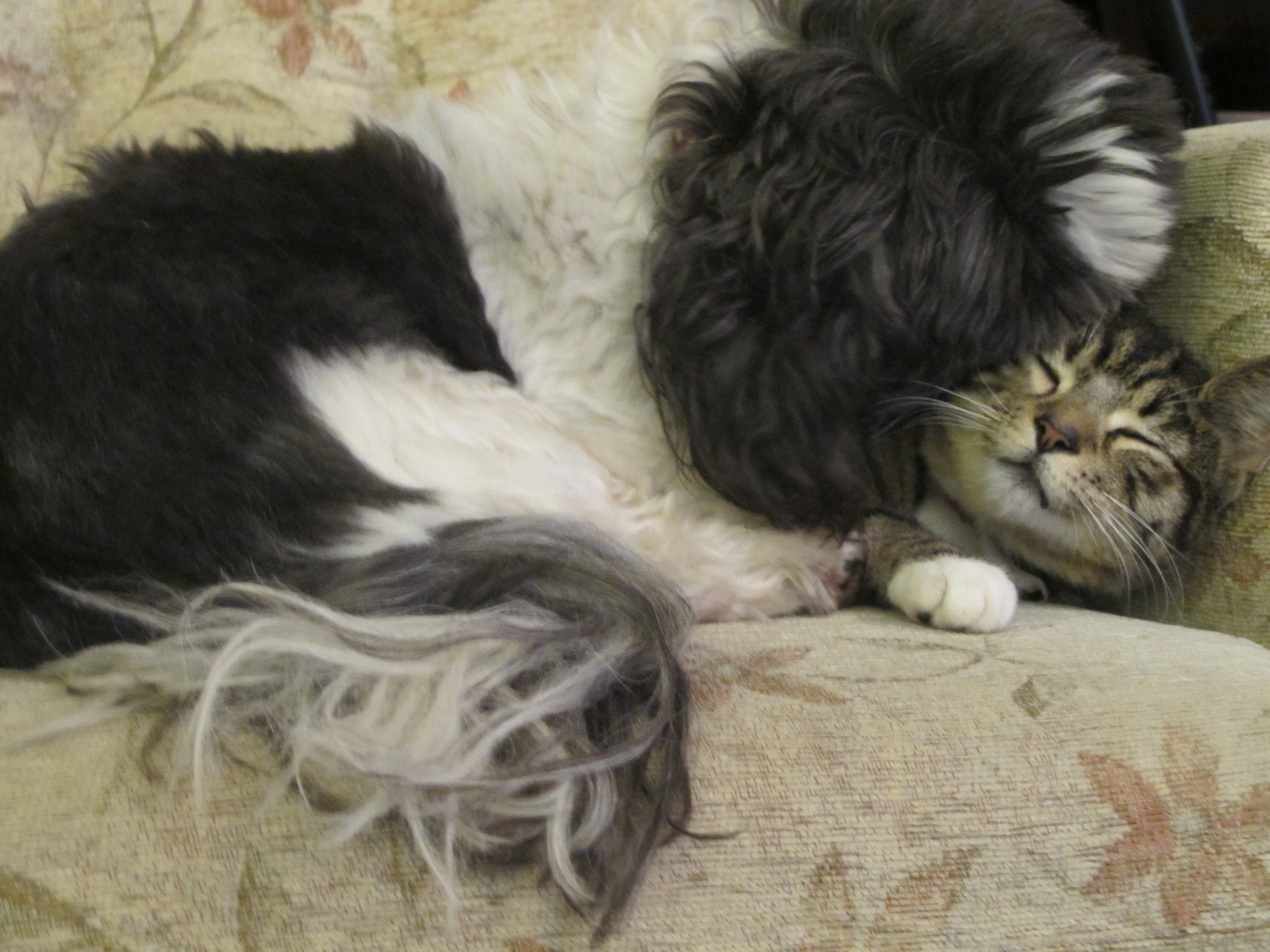
I had a bunch of questions about naming storms in the UK and in Ireland, maybe because that was in the news for a while. The topic’s dropped out of the news and so have the questions, but storm Jacob was pounding us on Wednesday morning, when I started writing this. One of the dogs got blown over on the way to the store. Not that the winds were apocalyptic. He’s the pup—the silly one you’ll find in the photos here—and he was off balance anyway. But it was wild out there. I got them home just before it started hailing.
Not about Britain but too good to leave out:
Could a bat have flown into a high shelf for shoes in my closet? Yes, I’m pretty sure it could have. Did it? Well, it didn’t take the train, so if you found one there I’d say the answer’s yes. Are the shoes relevant to your question? Probably not, but they’re interesting. It never crossed my mind to put shoes on a high shelf. At my house, they go on the floor, where my feet spend their time. That’s either logical or unimaginative. Or maybe it’s just because I’m short.
American greeting rituals. Mostly we just say “hi,” but occasionally we tear off our clothes and run three circles around the nearest piece of furniture while waving feathers. Then put our clothes back on and act as if nothing happened. But that’s only with people we know well. As a casual visitor, you’re not likely to witness it or have to take part.
Sex scandal American. What, was there only one?
Americans commenting on your U.K. accent. Ah, yes, they will. But they’ll love it. Even if they make fun of it, somewhere in there they’ll believe it’s the most sophisticated accent on earth.
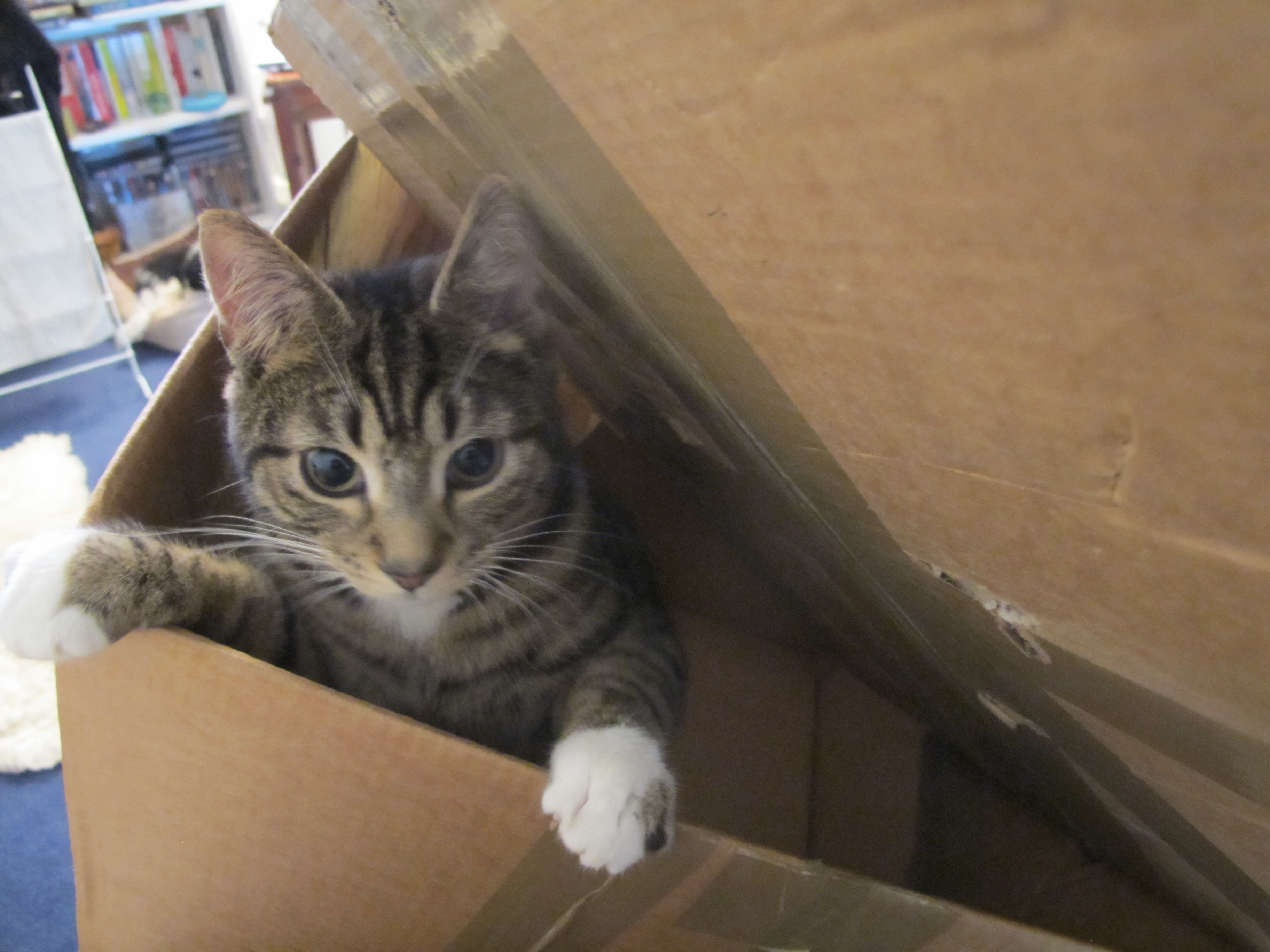
The cutest kitten in the universe. That would be mine. Just ask him. But he’s almost a cat now. He’s still cute, but he’s lost that kitten factor. Very sad.
All-time strangest search:
Veri veri sepr sex. I’m reasonably sure that’s not Latin for I had super sex last night and want to tell someone I don’t know all about it. But I never studied Latin, so don’t take my word for it.