Unknown's avatar

About Ellen Hawley

Fiction writer and blogger, living in Cornwall.

A government decides to promote British values

The British government worries that Britain may not be British enough. It worries so much that the Department for Education has instructed schools to promote British values.

Part of this is meant to counter the lure ISIS has on a (let’s be realistic, limited but highly publicized) number of young people, but I seem to remember that they started talking about British values back when Scotland was voting on whether to leave the U.K. So I’m guessing that some more general unease lies behind the decision.

Let me be clear: I take ISIS seriously. Hell, I take Scotland seriously. What I don’t take seriously are people who think “promoting British values” is a response to either of those very distinct entities. Especially since the British values campaign forces everyone to confront the awkward question of what those values are. I mean, they’re not , say, the flag or apple pie. They’re hard to define.
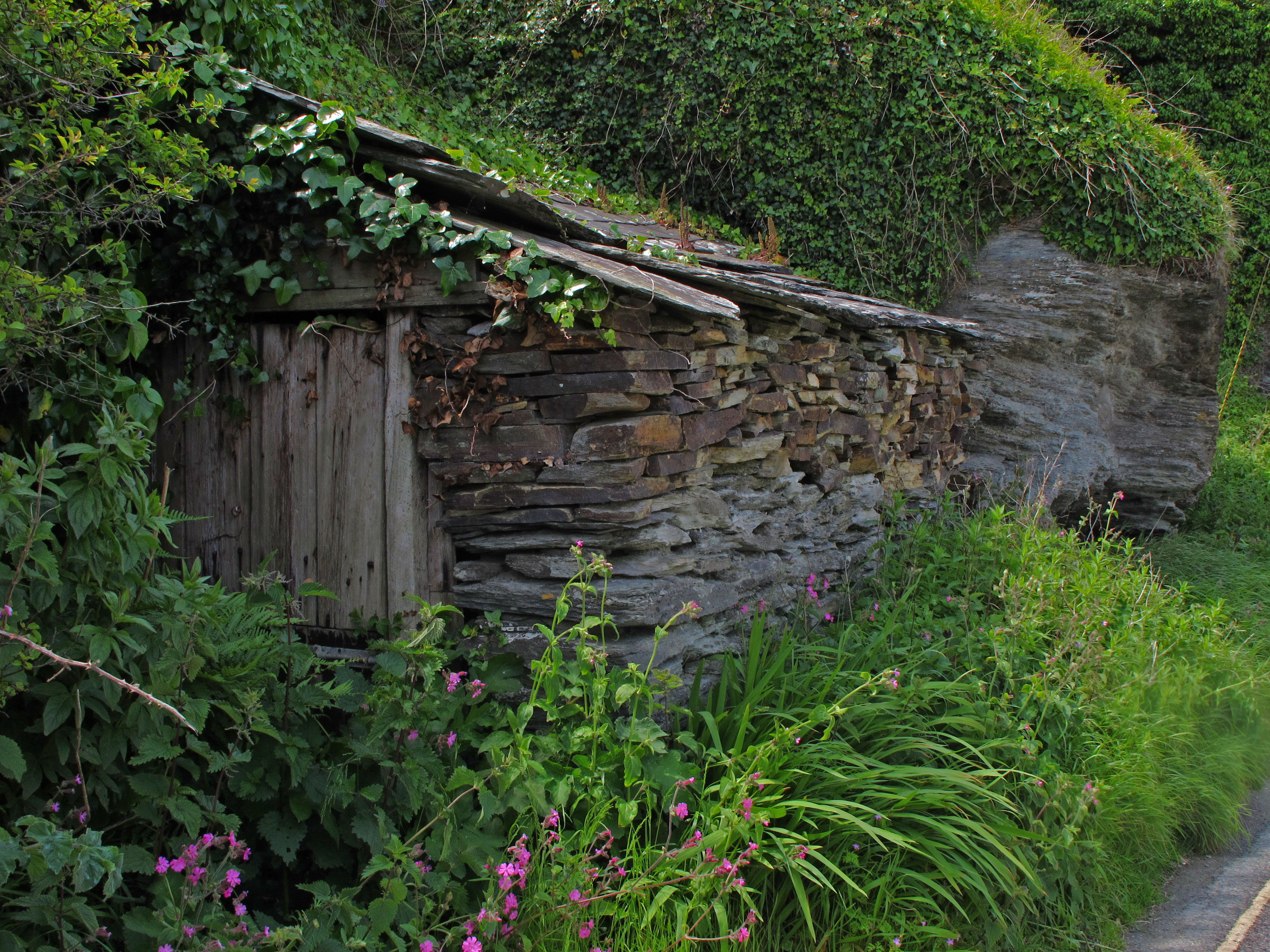
Irrelevant photo: an old shed at Trebarwith Strand.

Irrelevant photo: an old shed at Trebarwith Strand. The pink flowers are red campion. I don’t make this stuff up. Really I don’t.

As prime minister, David Cameron defined them as freedom, tolerance, respect for the rule of law, belief in personal and social responsibility, and respect for British institutions. Nick Clegg, when he was deputy prime minister, added gender equality and equality before the law. Then his party tanked in the elections and no one’s consulted him since. Michael Gove, when he was secretary of education, defined them as democracy, the rule of law, individual liberty and mutual respect and tolerance of those with different faiths and beliefs. Awkwardly enough, in 2007 he said trying to define Britishness was “rather un-British.”

Oops.

Since Ofsted (the Office for Standards in Education, Children’s Services and Skills, which should really be OSECSS) will have the joy of assessing the schools’ efforts, it’s published the official set of British values. They’re democracy, the rule of law, individual liberty and mutual respect, and tolerance of those with different faiths and beliefs.

Can we tolerate people with different, non-British values? Sorry, the question’s too complicated. Ofsted lives in a true/false culture.

Do other countries hold to these same values and if they do are the values still specifically British? Sorry, that’s not on the test and we can’t discuss it now.

Can we tolerate politicians offering three sets of non-identical British values plus one opinion trashing the whole idea of codifying them? Of course we can, because by now everyone’s swung their weight behind the official version and has forgotten that they didn’t always agree. Except possibly Nick Clegg and, see above, no one consults him anymore.

In joyful response to this attempt at unifying the nation’s beliefs, a whole lot of people cut loose on Twitter under the hashtag #BritishValues. According to The Independent, some of the early tweets summarizing the aforesaid values included:

  • Being wary of foreigners while having a Belgian beer with an Indian curry in your Spanish villa wearing Indonesian clothes.
  • Queuing; dressing inappropriately when the sun comes out; warm beer; winning World Wars; immigration & Pot Noodles.
  • Wearing socks with sandals
  • complaining about immigration

The Independent article online was open for comments, and they included a few more suggestions:

  • Seeing a rogue traffic cone and immediately working out the nearest sculpture in need of a hat.
  • Denouncing immigrants, while we have a royal family made up of immigrants.
  • Loving fish and chips even though the potato migrated here from abroad.

The comment thread quickly degenerated into arguments, name calling, and “This comment has been deleted,” so I stopped reading. Instead, I went to Twitter to check out the more recent comments. Not all of them are funny. Some are bitter-edged comments about homelessness and not rescuing migrants in the Mediterranean.  Others are about trash in the hedges and dog-poo bags left by the side of the road. But, hey, we try to keep laughing here, even when the world’s going to hell in a handbasket.  The lighter tweets included:

  • The bloke in front of me just put his entire body weight on my foot & I said sorry.
  • Forming an orderly queue.
  • Pie and chips done properly!
  • Get an exclusive 15% off any order from @TwiningsTea

None of these answers the question (and I do understand that it wasn’t posed as a question) of what British values are, but it does point us in the right direction: Whatever they are, they include an ad for tea and a sense of humor. So brew yourself a nice cup and tell me something silly about British values, would you?

Or American values. Or any other nation’s values. I can’t wait to see where this goes.

Intercultural adventures: Reading road signs in the U.K. and the U.S.

How do the British and U.S. cultures differ? Read the road signs and you can learn a lot.

Ice Badger called my attention to the issue in a comment about calling cats. I admit, the link between the two topics isn’t obvious, but it made sense at the time. So fasten your seatbelt, please, because we’re going to investigate road signs and I hate driving while someone’s bouncing around loose in the back seat.

A few weeks ago, Wild Thing and I drove past a temporary road closure sign on the slip road onto the motorway. I’ll translate that: The sign was about repairs and it was beside the freeway entrance.

Wild Thing was driving, so she asked, “What did it say?”

Damn near relevant photo, from Wikimedia. An American road sign--apparently part of a Highway Department test of dangerous signs. The speed limit isn't really 625 mph, it's 62.5.   Why would anyone bother with .5 mph in a speed limit? Never mind. Someone had fun with it, I hope.) And the edge of the sign went through the windshield in a test crash.

Damn near relevant photo, from Wikimedia. An American road sign–apparently part of a Highway Department test of dangerous signs. The edge of the sign went through the windshield in a test crash. And the speed limit isn’t really 625 mph, it’s 62.5. Why would anyone bother with .5 mph in a speed limit? Don’t ask.

Signs announcing repairs are so wordy here that we’ve stopped trying to read them while we’re driving. They say things like, “We’re terribly sorry to announce that this road will be closed between the hours of 7 a.m. and 4 p.m. on the fifth day of March in the year of our lord 2016 for repairs. We regret the inconvenience but the work is necessary for the smooth functioning of the United Kingdom’s infrastructure.”

I exaggerate only slightly. The repair work is done county by county, so they wouldn’t say “United Kingdom,” they’d name the county. But the fine points don’t matter. If you’re going to write a 500-word essay on a movable sign, you have to use small print, and that in turn means that drivers can’t begin to read it until they’re on top of it. And then they’re past it and they’ve only gotten as far as “terribly.”

When I’m the passenger (which isn’t often; I tend to get carsick and do better when I drive), I try to pick dates or times out of a sea of letters. If I see “p.m.” after the first number, it’s overnight construction and I can toss the road closure into the mental drawer marked “Stuff I don’t need to know” unless we’re planning some late-night driving. If I can’t pick out p.m, I have to shove it into the drawer labeled “Things I don’t know much about but that worry me.” In an odd way that’s good, since it’s overstuffed and this particular worry won’t get much individual attention.

On the other hand, if the road’s going to be closed for days at a stretch, I might actually need to know that and I won’t. So it’s worth a bit of worry. Maybe I’ll lay it neatly on the top layer.

To all of that, the Highway Department (which isn’t called that, I’m sure—I’m importing an American term) says, “Tough.”

Or “We’re terribly sorry, but this is the way we do things here.”

What would an American sign say in a similar situation? “Road Closed, March 5, 7 a.m. – 4 p.m.” Or something along those lines. In large print.

It all goes to reinforce national stereotypes, I’m afraid: Americans are blunt and to the point. Or rude, if you like. Road closed. No apologies and no explanations. The British say about themselves that if someone stands on their foot, they’ll–the person whose foot is being stood on–will apologize, so their signs first apologize and then throw in a bunch of extra words to soften the blow.

Cross-cultural adventures: Two Americans call a cat in Britain

Fast Eddie went over the fence for the first time this week. We knew the day was coming, but we’d hoped it wouldn’t come quite so soon. He’s still a very small cat in a very large world. He’s built for climbing, though, and climb he did.

The first we knew about it was when we heard a bird doing what Wild Thing calls checking and our neighbor calls alarming.

Fast Eddie, the fiercest kitten for 10 yards in any direction

Fast Eddie, the fiercest kitten for 10 yards in any direction

Americans and Brits agree on what the noun alarm means, but use it any other way and we get into that odd stuff that happens when we think we share a language. In the U.S., if you’re alarmed, you’re moving in the direction of panic. It’s a feeling. Once you cross the Atlantic, though, being alarmed is more likely to involve wiring, as is demonstrated by the signs that say, “This door is alarmed.”

And there I was thinking the door was an inanimate object. So now I’m alarmed myself. The announcement seriously destabilized my world view.

Alarm can also involve actions—for example, the bird we heard was alarming, as in making an alarm call, not as in scaring the hell out of us.

So, with today’s language lesson out of the way, let’s go back to the bird. We heard it making a checking / alarming sound, and Wild Thing asked if I knew where Eddie was.

Insert a moment of, ahem, alarm here, because he was nowhere in the house. We went outside and called. He still wasn’t in the habit of coming when we called (we’re working on it), but we did it anyway because, what the hell, humans are a very strange species and it was something we knew how to do.

I need to interrupt myself for a minute here to talk about cross-cultural cat calling. I can’t swear that this is universal, but the Brits I’ve noticed calling cats tend to bend over, rub their fingers together, and say something quiet, like “puss, puss, puss.”

How do Wild Thing and I call our cats? With a two-note call that’s approaches a yodel: “kitt-TEEEE. KITT-teeee” You can hear us most of the way to Devon. Even in Minnesota, it marked us as not being local.

Okay, it wasn’t the only thing that let people know that, but I do remember standing on our open front porch one night when the air was so cold I thought my lungs would shatter and calling our cat by yodeling, “FUZZbucket, KITT-teeee.” (Go ahead, laugh at the name. Everyone else did. A friend used to call him Fuzzbuster and Fuzzduster, with the occasional Fussbudget thrown in for luck. I still think it was a great name.) From the far end of the dark street, a man’s voice echoed, word for word and note for note, “FUZZbucket, KITT-teeee.” I’d call, he’d call, I’d call, he’d call. He had the notes and the tone down perfectly, and I figured if Fuzz had any intention of coming in the echo wouldn’t hurt.

He didn’t, of course. He was a cat. And an old lady down the street used to feed him canned shrimp and keep him with her during the coldest weather. I’m sure he told her he had nowhere else to go.

But that’s a different story and a different place. In this place, I was worried that Eddie might have gone over a fence and discovered that the other side didn’t offer him a way to climb back, and there he’d be, a very small kitten on the wrong side of a tall wall.

So Wild Thing went to our over-the-tallest-fence neighbors. They don’t live on our street and to get to them you more or less have to run up to London, then Hamburg, and then come back to Cornwall to our village to a different street and go through their front gate, which sometimes sticks so badly that you need a chisel and a hammer to get through, and all of that is necessary because, unlike Minneapolis, the neighborhoods here don’t have alleys and the yards here don’t have back gates. In fact, they’re not yards at all, they’re called gardens, and if they’re close together they have barricade-like fences or hedges meant to screen you and your thoughts from any awareness that you have neighbors. It gives back yards (sorry—they’ll always be yards to me) a sense of privacy and quiet, but it could strike someone used to American yards as unfriendly. (I’m not one of them. I like that sense of quiet.)

So Wild Thing was gone for a while, hiking to London and Hamburg and Cornwall and then through the neighbors’ gate, which didn’t happen to stick that day, and I couldn’t think of anything useful to do with myself so I worked on the bread I was making, which was ready to shape into loaves. And at some point something almost weightless brushed against my ankles and I looked down and found Eddie, who hadn’t a clue in the world that he’d just caused an uproar and wouldn’t have minded much if he had known.

So I did what any dyed-in-the-wool New Yorker would do: I went out back and bellowed for Wild Thing. When I was a kid, that’s how the mothers in our neighborhood called us—they leaned out the windows and bellowed our names. (What the ones whose apartments didn’t have windows on the street did I never stopped to wonder. Chose not to reproduce? Lost their kids forever? Waited till they got hungry enough to wander home? I just don’t know.) That was also how we called our mothers: We stood on the sidewalk, tipped our heads back, and bellowed up. To this day, my voice–well, no one who hears me is left with the impression that I’m shy. If you want to bring down the walls of Jericho, leave the trumpets at home and convince me that they need to come down.

Back in New York, every mother somehow knew her own kids’ voices well enough that they didn’t all pop their heads out in unison when one of us bellowed, even though we all yelled the same word, “Mom.”

Oh, damn, I’m getting teary. Thanks for being able to pick my voice out of the maelstrom, Mom. I miss you.

Minnesotans never seemed to bellow for their kids. I don’t know how they got them home. Compared to New Yorkers, Minnesotans are indirect. Or repressed, if you prefer. Or well behaved. It’s all in how you see it. Maybe the intensity of their frustration sends out a vibe that the kids pick up.

But however long I’ve been away from Manhattan, I’m still a New Yorker, so I bellowed. And Wild Thing, who’d just gotten into the neighbors’ yard, answered in true New York fashion (she lived there for ten years and picked up the important skills).

She started the long trek home, and our neighbor, G., who’d somehow managed to hear all this (damn, that man has good ears) popped up on his side of a different fence (we have three immediate neighbors), which is about shoulder height, even on me, and said he’d heard the bird alarming, then seen Eddie running along the top of the fences. The fences make a fine highway if you’re a cat.

Then, G. said, he heard us calling Eddie.

And no doubt laughed his ass off at the volume and sheer uselessness of it all, but he was far too kind–or maybe that’s well behaved–to say so.

Publishing on Medium.com

Apologies for the extra post (what do you all do with your week when you’re not hearing from me?), but I just published a piece through The Coffeelicious, a magazine on Medium.com, and since both of them are new for me, I’m going to shamelessly promote it. And introduce Medium to anyone who hasn’t explored it yet.

“I Pledge Allegiance to the–Queen?” is about taking U.K. citizenship, which turned out to be a surprisingly emotional issue for me. If you like the essay, it would be great if you’d hit the Recommend button at the end. If you don’t like it, you won’t reach the end, so don’t worry about it. (Seriously, I wouldn’t ask you to recommend anything you don’t like. It’s almost like–am I really going to say this?–faking an orgasm. Yes, apparently I am going to say that. I’m not sure what I think about it, never mind how I feel.)

mixed flag

Shockingly relevant graphic. Not mine. I found it on Wikimedia.

And with that out of the way, the rest of this is for those of you who either write more than blog fodder–and I know that’s a good number of you–or read more than blogs. Because not everything belongs in a blog, and I’ve been looking for outlets beyond mine. I’m hoping this will move me in that direction.

Medium describes itself as a place “where people share ideas and stories that are longer than 140 characters and not just for friends.” In theory, at least, it helps you find your audience. We’ll see. Technically, Medium makes it fairly easy to publish, although I obsessed about the mechanics for weeks before submitting anything, and only did it after investing something like $10 (it seems to be $12; never trust me with numbers) in a probably unnecessary but still helpful manual.

From what I’ve read, the good thing about Medium is that stories have a chance to build slowly–it’s not all about the first few hours, or days, or even weeks. Stories recommended by a lot of people become more visible. And we all like to believe that those are the best ones. They may be. It would be nice to think so. It also explains why I was asking people to hit that Recommend button. (I should mention that you have to sign up to recommend anything. It’s not a big deal, says the person who closes down her computer and hides under a chair when asked to sign up for anything. You can do it with Facebook or Twitter–and if you plan to publish on Medium, you should eventually add both connections.)

Medium also sets it up so that as a reader you can follow writers you like and get a notification when they publish something new (which, of course, lets writers, with luck, build a following) or follow magazines that filter and gather the work that’s most relevant to you. I’ve found some good writing there. If you haven’t seen it, it’s worth a browse.

Peach or blackberry cobbler: an American recipe

One of the small joys of living in the U.K. is messing with British cooking. In the interest of which, I’d like to share an American recipe with you: peach (or blackberry if you prefer) cobbler. And if you live in the U.S., you’re still welcome to it.

I’m not actually from cobbler country. I’m a New Yorker by birth and a Minnesotan by I’m not sure what but whatever it was it lasted many long years. Wild Thing, however, is from Texas so over the years I’ve learned some Southern cooking. Not from her—the only things she likes to cook involve meat—but because it’s fun to feed her something she can get sentimental about.

cobbler, eddie 006The recipe’s is adapted from Trilla Pando’s collection of recipes and interviews, Stirring up memories all the time, which I can’t find online anywhere, new or used, or I’d give you a link. I’d tell you how good the book is, but it would be cruel.

I am, as anyone who’s been reading Notes for a while knows, hopeless with numbers and thoroughly unsystematic, so you’ll find a certain, um, flexibility in some of the measurements. If that worries you, remember that the recipe has survived my numerical incompetence, so it should survive almost anything you can do to it. Except maybe tossing in a half pound of bacon, or some coffee grounds.

A warning: This cobbler (assuming you leave out the bacon and the coffee grounds) has a way of disappearing quickly—it really is good—and I’ve tried doubling the recipe and baking it in a larger dish, but the center never baked through. If you’re going to double it, use two smaller pans.


Peach or blackberry cobbler

4 cups of fruit (or a bit more; I always add more; if you’re using peaches, it’s about 7)

1 to 1½  cups sugar, divided

2 to 4 ounces butter

1 cup flour

2 tsp. baking powder

1 tsp. salt

½ cup milk (whole or 2%, which is called semi-skimmed in the U.K.)


Heat the oven to 350 F. That’s more or less 175 c. Don’t worry about it–it’s close enough. Set a square baking dish (anywhere between 8” and 9” square will do) inside it to heat.

The original recipe has you sprinkle ½ a cup of sugar on the fruit and set it aside for half an hour or so. I don’t bother. It’s sweet enough already. So if you leave that out, you’ll only need a single cup of sugar. If you’re using peaches, slice or chop them. Melt the butter. Sift the dry ingredients together, or measure them out and use a whisk to mix them. As far as I can tell, the whisk works just as well as sifting.

Pour the butter into the baking dish once it’s hot, then convince the batter in on top of it. It’s thick, so this is awkward, but spread it around as best you can. Then spread the fruit on top of that. The batter will rise up through the fruit as if bakes.

Bake for 50 minutes or until the center’s set. Test it with a knife to make sure it’s fully set. If it isn’t, toss it back in the oven (okay, okay, slide it back in the oven) until it is.

Serve plain or with cream or yogurt.

Trilla, if you’re reading this, thanks.

Walking the Cornish Coast Path

You can’t walk far in the U.K. without stubbing your toe on some bit of history. Today’s bruised toe comes from the Cornwall’s Coast Path between Tintagel and Trebarwith Strand, which Wild Thing and I walked last week, in beautiful, if windy, weather.

Cornwall’s traditional industries were tin mining, slate quarrying, and fishing. The soil here is rocky, so most of the farming involves grazing. Plowing this soil must’ve broken many a heart, not to mention a back.

The tin mines were closed under Maggie Thatcher, and although every so often I read that one or another of them is going to reopen, so far none have. A few boats still fish commercially, but factory fishing has left the seas seriously depleted. And some of the slate quarries still operate, but the primary industry these days is tourism, leaving Cornwall with stunning  views, low-wage, seasonal work, and high house prices.

Sorry, I didn’t mean to brood. We’re taking a walk. The weather’s perfect. Smile, everyone. We’re starting at St.  Materiana church, outside Tintagel.

Spoil from an abandoned slate quarry

An abandoned slate quarry, with a bit of thrift growing on the right

Slate

This is spoil from an abandoned quarry–the rock that wasn’t usable. The Coast Path goes right by it. Note the tilted horizon. That’s my doing. The real horizon is just where it belongs. Work in quarries like this must’ve been hellish at times, out on the cliff edge in the wind and driving rain. From what I’ve been told, young boys were sent over the clliff edges in baskets to blast the rock. They were lighter than grown men.

It’s one thing to mourn a way of life that’s been lost, but let’s not romanticize it.

Dry stone walling

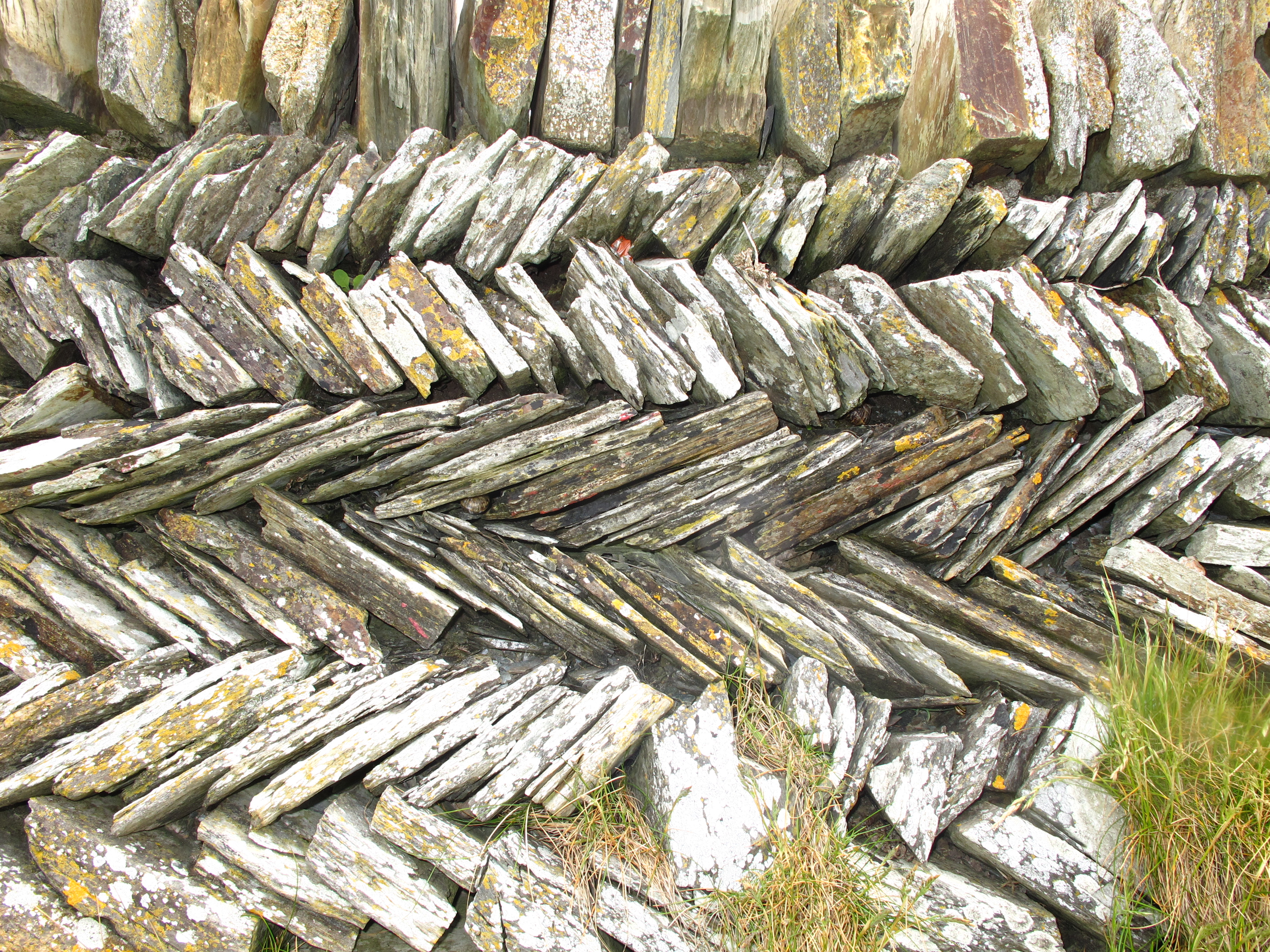
With all that rock in and on the ground, the easiest method of dividing fields is building dry stone walls, and they’re everywhere in Cornwall. The dry in dry stone wall means not that you take them inside to keep them out of the rain but that they’re built without mortar–just stacked perfectly, stone on stone on stone. The way they’re built hasn’t changed over the centuries. I’ve read that the only way to tell the age of a wall is to count the varieties of blackberries growing in it. Blackberries grow wild here. If you’re not careful, they’ll take root in your bed, so change those sheets regularly, folks. The problem with the system is that I can’t tell one variety of blackberry from another. But never mind, because somebody can. And anyway, I’ve never yet needed to know a wall’s age.

Dry stone wall. The pattern's called curzyway in some places and jack and jill in others.

A dry stone wall. The pattern’s called curzyway in some places and jack and jill in others.

A well-built wall can last for centuries. I took a one-day workshop on wall building and then built us a low one around a flower bed. The first stones fell out after a year, and I’ve been putting them back in place ever since. What did I expect from a one-day course? And it doesn’t matter. I’m proud of it anyway, in the way a seven-year-old is proud of an art project: not because it’s good but because it’s hers.

The patterns of an area’s walls depend on the local rock. And yes, that’s obvious once someone says it but until someone does you don’t necessarily think of it. In other parts of the country, hedges serve the purpose that stone walls serve here. You work with what’s at hand.

A bit of stone wall, partially grown over

A bit of stone wall, partially grown over

Not all of Cornwall’s stone walls are visible, because plants take root in between the stones and after a while can hide them completely. Roads often have what look like overgrown earthen banks on both sides, but inside that soft-looking mass may be a spine of stone.

These days some walls are mortared but keep the look of dry stone walls.

But back to our walk. We passed several abandoned quarries and skirted a series of fields, with their stone walls. The Tintagel-Trebarwith path goes into only one field. I’l write about foot paths another time, but they cross private land–usually farm land. That too is history, and deserves its own post. This particular field often holds sheep, but it was empty last week, so I didn’t have to put the dog on a leash. When she was young and impressionable, she looked in the mirror and thought she saw a collie–or what the rest of the world calls a border collie; a sheep-herding dog–and she’s been trying to chase sheep ever since. The farmers do not find this cute.

Stiles 

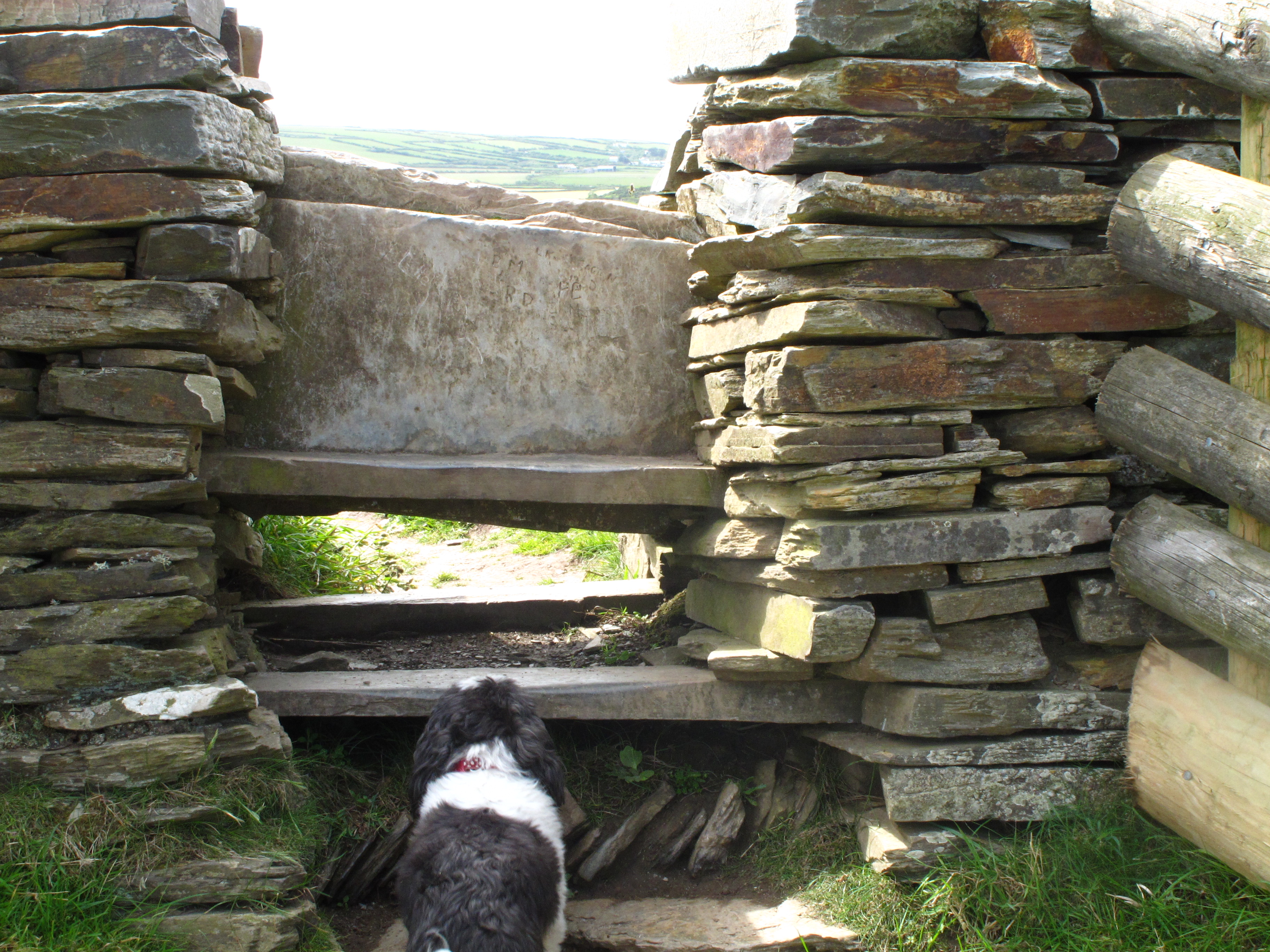
A stile. With a dog.

A stile. With the dog who thinks she’s a collie.

No, we’re not talking fashion. You don’t want me to talk about fashion. Remember the mankini? This is stile as in “he found a crooked sixpence upon a crooked stile.” For some reason, American kids end up learning that nursery rhyme–or at least I did–in spite of not living within a thousand of miles of a stile. I used to wonder what one was.

They’re ways for a wall to let people but not animals get over. Simple, timeless, and clever. The (I can’t help myself) style of stile varies from place to place. This one let us into the field and has a space underneath that a small-to-medium-size dog can crawl through, as Minnie the Moocher is demonstrating in the photo. In places, paths go through field gates instead of stiles, and most walkers have the sense to close them, but there’s always one, isn’t there? Stiles solve that problem. The walkers get over and the sheep–or cows, or whatever–stay inside. You don’t have to open them and you can’t forget to close them. All you have to do is be able to climb over.

Wildflowers

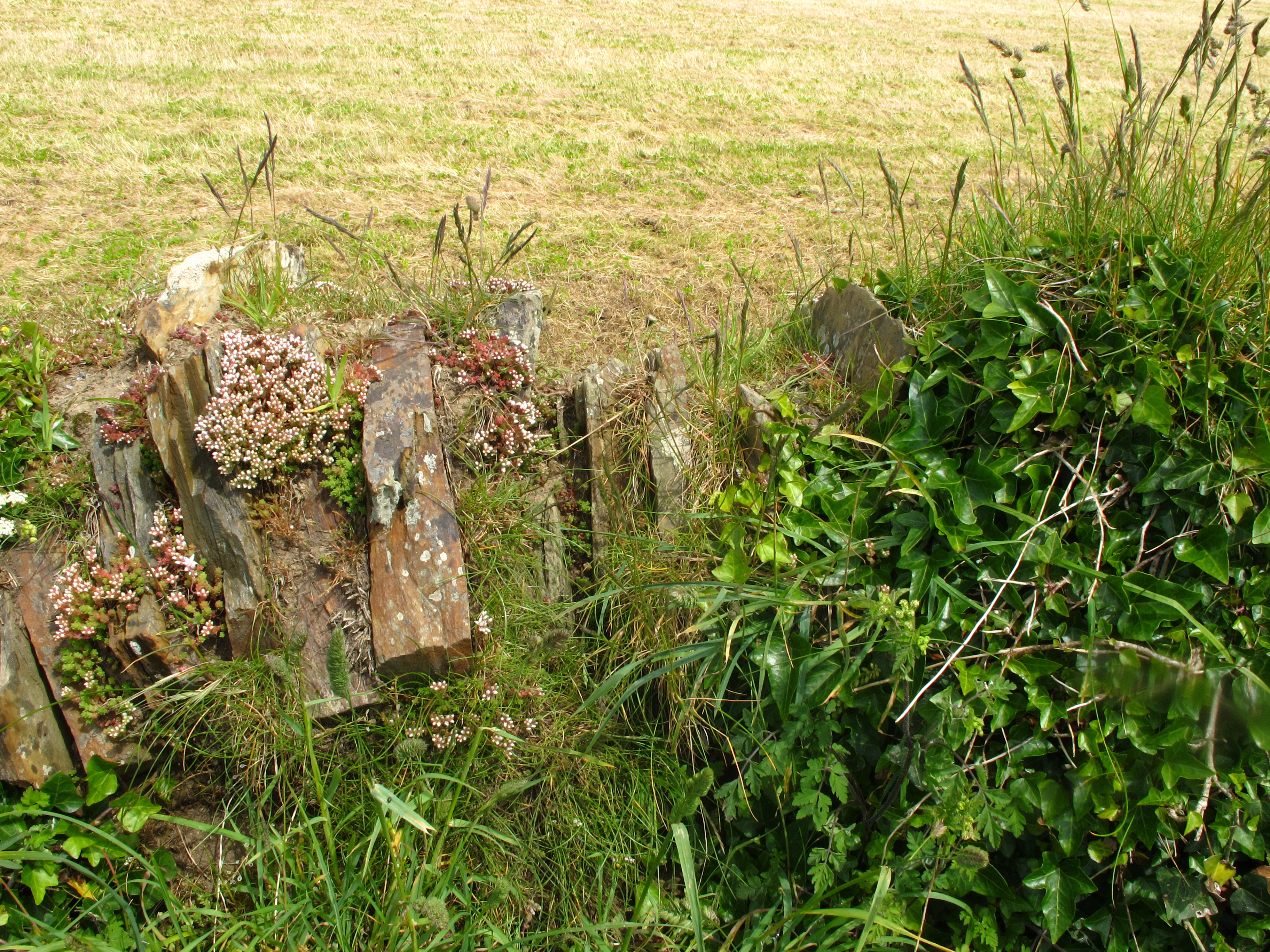
Wildflower that planted itself in the wall.

Stonecrop, which planted itself between the rocks

Speedwell

Speedwell, growing in the grass

Spring and early summer are the best times for wildflowers. When I first came to Cornwall, I was overwhelmed by the numbers. After Minnesota, it all seemed unbelievably rich. The stonecrop on the right is probably English stonecrop, but I’m not great at identifying wildflowers. If I can identify the family reasonably accurately, I’m happy. I haven’t even taken a guess on the speedwell. It could be field, slender, American, thyme-leaved, wall, heath, pixilated, pontificated, confabulated, etc. The list is as long as my finger, in small type. And yes, I did make up a few of those.

The rest of the walk

After following the cliffs, the path descends into Trebarwith Strand, which is now given over to what everybody but me calls holidaymakers, who are drawn by the wide sand beach that appears at low tide. I’m not sure what called the village into existence originally. I doubt it was fishing, because the beach is covered at high tide and there’s no harbor at all. And it wouldn’t have been farming, because the valley’s too steep for any fields. Possibly the slate quarries. There’s another, also abandoned, in the valley just to the southwest. Today it has a cafe, a few shops, a pub, and a lot of holiday rentals. It’s a great place to get a cup of tea before heading inland to take the short route back to the car, which is what we did.

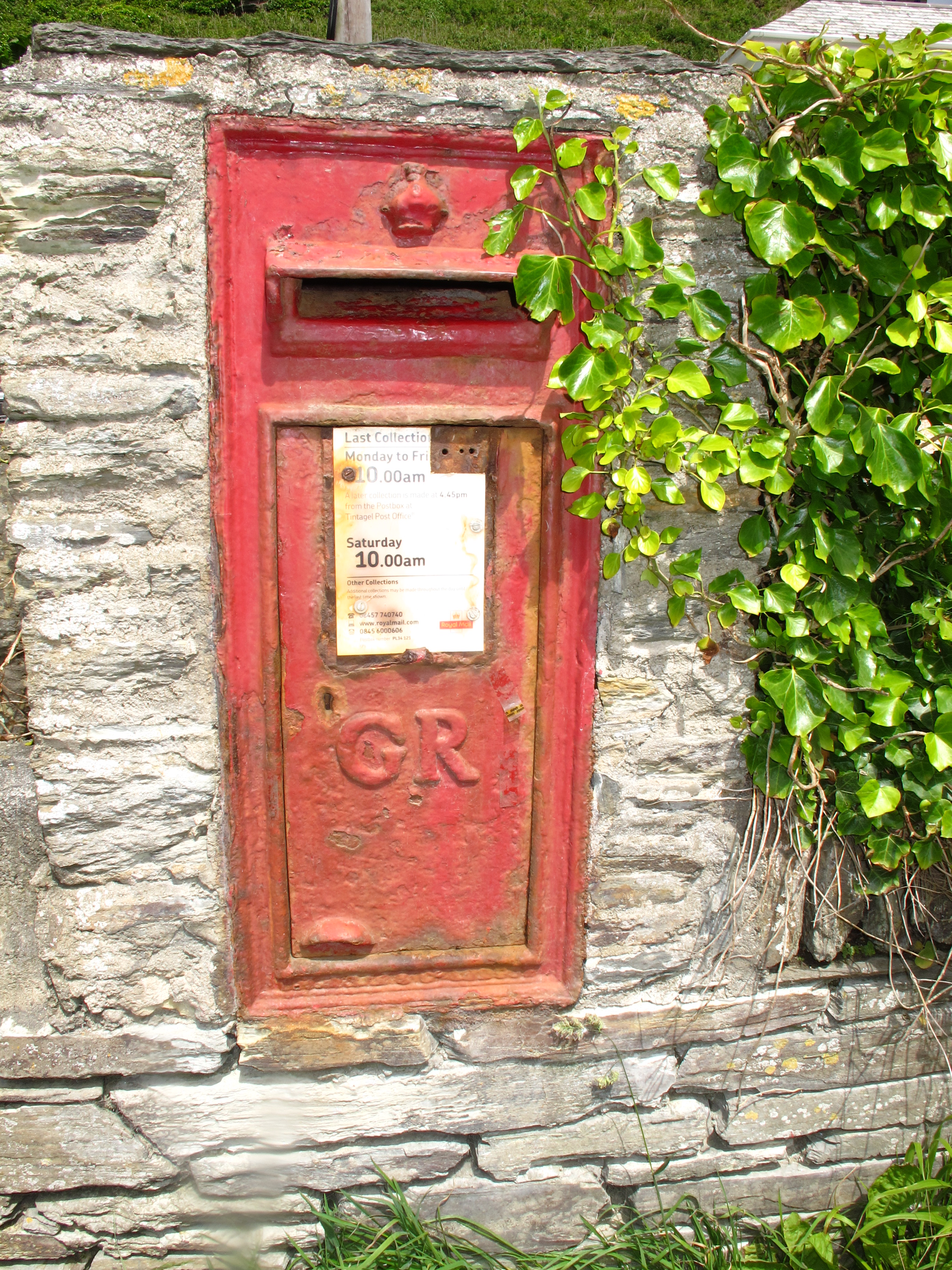
eddie, trebarwith walk 100On the road, we passed one more bit of history. If you look carefully, you’ll see GR on the front of the mailbox. That shows who was king or queen when the box was put into the wall. In this case, it was George. We met a guy who collects them, by which he means not the mailboxes themselves, just the sight of them. Before we met him, we’d never noticed the initials. Now we look.

Writing British English & Writing American English

Someone asked me a while back if I would ever set a novel in the U.K.

I’ve been tempted. I even have the first few scenes of one on paper. (Yes, paper. You remember paper. It’s that stuff the kitten chases when you crumple it into a ball.) If I’m smart, or at least cautious, a few scenes is as far as that novel will go. Because it doesn’t take long before I/you/whatever writer we’re talking about here comes to one of those spots where British and American English branch off in different directions and chooses the wrong path.

A good copy editor could save our writer, but a good copy editor doesn’t always pop up at those forks in the road, so the writer marches bravely off in the wrong direction and ends up wandering through the wilderness. Days later, she stumbles into town, having missed a few meals and sporting twigs in her hair and mud on her clothes.

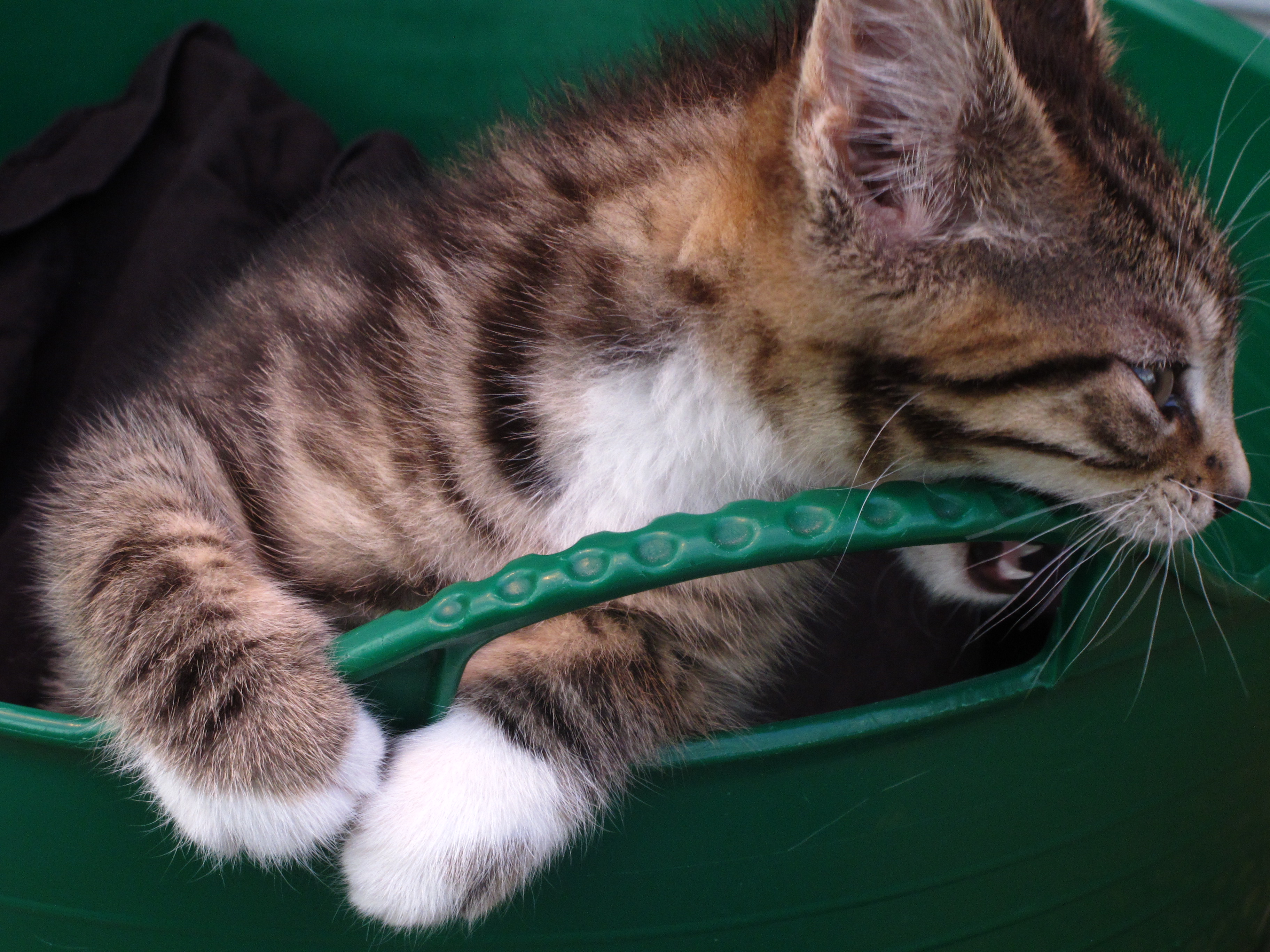
Screamingly irrelevant photo: Fast Eddie attacks the laundry basket. I'll impose a short moratorium on cute kitten photos after this.

Screamingly irrelevant photo: Fast Eddie attacks the laundry basket. I’ll impose a short moratorium on cute kitten photos after this.

Where was the copy editor? Semi-comatose at the computer. Or firmly rooted in the wrong version of our shared language. I’ve been a copy editor. We can’t be specialists in everything. We do a bit of fact checking, but nothing guarantees that we’ll check the right facts. And a word we recognize as right? Unless we’re fully bilingual in English, we won’t stop to question it.

When you’re paid by the word, you don’t have time to ponder deeply.

So I don’t assume a copy editor can save me. Whatever version of the language I write in, I’m responsible for getting it right.

I’m not a careless listener. When I started writing fiction, I trained myself to hear not what I thought people said but what they really said. Because speech isn’t even close to the English that we’re taught is correct, and nothing sounds as phony as characters speaking in perfectly formed sentences. I used to listen to snippets of conversation and then write down as much of them as I could remember, paying attention to word choice, to unpredictable phrases, to pauses, to the ways people waited each other out and cut each other off, to run-on sentences and sentence fragments, to the genuine and glorious insanity of the spoken language.

A high point in my eavesdropping career was a conversation between a Minneapolis cop and a man—white and presumably drunk, although I couldn’t swear to that second part—who was lying on my neighbors’ front lawn. The cop was trying to persuade him to move on, and the man, by the time I started listening, was sitting up and holding a hamburger in the air like Exhibit A.

They said a few words back and forth, then the man was on his feet and heading down the street and the cop yelled after him, “I’m gonna come to your house and sit on your lawn and eat hamburgers. See how you like that.”

It was a mix of things that made this memorable. The “and…and…and” rhythm of the cop’s comment. The “see how you like that,” which made him sound like a twelve-year-old. But mostly it was the sheer craziness of a cop, with his gun and his club and the full weight of the law’s machinery on his side, threatening to sit on someone’s lawn and eat hamburgers.

I grabbed a piece of paper and wrote down as much of the exchange as I could, because if I let it wait I wouldn’t believe I was remembering it accurately.

So, there’s my proof—my hamburger; my Exhibit A—that I’m not an untrained listener. Move me from Minnesota to Cornwall, though, and my carefully tuned ear goes off key. I do listen to the Britishness of British speech, and I keep a mental list of phrases I love, because even the clichés sound fresh to me. Someone says, “Oh, she’s away with the fairies,” and I laugh as if she’d invented the phrase. I’ve been hearing it for nine years now, but it still makes me picture fairies.

M. has two stock phrases that sound fresh to me, although I know she didn’t invent them: “He’s all talk and no trousers” and “she’s all frill and no knickers.”

When we bought our house, we asked a different M. to give us some advice about the garden. She showed us a broken pot with blade-like leaves growing out of it, which had been left behind.

“If you have to have these,” she said, “make sure they stay in the pot. Those,” and she pointed to some other plant, although I can’t remember what, “are invasive, but this is a thug.”

I laughed and got one of those blank looks you get when you’ve laughed at the wrong thing. She wasn’t being immensely clever. Thug is a category of plant that any gardener here recognizes—one step worse than invasive.

So yes, I listen and I appreciate and I remember. But I still hesitate to write either Cornish or more standard British dialogue. Sure, I can tuck in a phrase or two, but after that? I’d write something I think is neutral and without knowing it rely on something hopelessly American. Because it’s not the phrases you hear and remember and are delighted with that matter. It’s the ones you don’t hear. It’s the times you don’t stop to question yourself but turn out to be writing your native English instead of that other, related language.

I catch British journalists doing this when they interview Americans: “I just reached into the drinks cabinet,” they’ll have someone say. Into the what??? We don’t have drinks cabinets in the U.S. We have— Wait a minute, what do we have? Liquor cabinets? I never actually had one, so it’s not a phrase that has much life in my mind and I can’t remember what to call the damn things.

Let’s fall back on another example. A while back, I read an interview in which some American actor talked about his mum. His what? Americans have mothers and moms and mamas, but we do not, in any regional or ethnic accent I ever heard of, have mums. But it’s what the writer heard because it’s the word the writer uses. We translate without noticing.

I love running into stuff like that. It makes me feel gloriously smug. Not because I couldn’t do exactly the same thing but because this particular time I didn’t.

For a post about paying the tax on my car, I wrote about being in the post office and trying to conduct a bit of business that we couldn’t finish and couldn’t abandon and if you ever want to bring a small post office to a halt, talk to me because I know how to do now. After what seemed like forever, I was able to step aside and the woman behind the counter called out—

What the hell did she call out? At first I wrote, “Can I help the next person?” I was pretty sure that was wrong, but I left it because it got the job done.

The next day, hesitantly, I changed it to, “Can I help?” and then to “Can I help who’s next?” which is a weird phrase, and grammatically strange enough for me to believe I didn’t invent it, but I checked it with a friend anyway, and she confirmed it: That’s what the woman would have said.

So I got away with it, but I hesitate to write more that a few lines in any of the many versions of British. Because it’s not the stuff you hear that trips you up but the stuff you don’t hear. The stuff you take for granted, that your brain translates automatically. It’s the drinks cabinet. It’s the mum.

Defending the honor of a British politician

A politician made a valiant attempt to defend the honor of a colleague last week and accidentally brought the whole British Parliament into disrepute. Or further disrepute. Or just possibly none of the above. Take your pick once I tell you the tale.

Sir Malcolm Bruce, a former deputy leader of the Liberal Democrats, tried to defend Lib Dem MP Alistair Carmichael by saying that if every MP was kicked out of office for lying “we would clear out the House of Commons very fast.”

(Note: You can follow that link safely. Unlike the one in last Tuesday’s post, you won’t find any mankinis on the other end.)

Did Bruce mean that lying was widespread in public life? a BBC interviewer asked.

“No,” he said. “Well, yes.”

cute kitten photo

Irrelevant photo: Fast Eddie, fast asleep.

Or, just possibly, both of the above. I’m a great fan of all of the above and none of the above, especially when they’re not logical possibilities. They give us an illusion of choice and expansiveness and—well, I don’t think freedom is too high-flown a word for this. Sure, the world may be falling apart and the weather’s getting stranger by the year, but the range of what’s possible just expanded beyond what’s possible and if that ain’t freedom, my friend, what is?

So once again, take your pick. And if you want it to be both all of the above and none of the above at the same time, be my guest: Pick both. There’s no charge.

But back to our story. Carmichael got into trouble by authorizing a leak before the recent election and then denying that he knew anything about it, and it was the denial that caused the problem, not the leak or even that the information he leaked was apparently inaccurate. Or made up, which is a polite way of saying a lie. You can take your choice there too. We’re just rolling in choices today.

For the sake of both British and non-British readers, I won’t go into the details. Brits have already heard about it and for everyone else I’m already teetering on the edge of incomprehensibility with all this talk of Lib Dems and MPs and disrepute. A politician’s in disrepute? American readers are asking themselves. And this makes the news why? (Am I being unfair here? Are readers in other countries asking the same question?) Besides, the content is almost never what matters in these scandals, it’s cover-up that gets politicians in trouble. How come? Because that’s what we, the ordinary newspaper readers and evening news watchers, can wrap our heads around.

Oh, sure, if someone someone slept with someone they weren’t supposed to sleep with, we can follow that without waiting for the cover-up. But the real scandals? The ones involving billions of dollars, or pounds, or whatevers? The ones, say, involving the banks and the Great Recession of 2008? They’re so deeply incomprehensible that our eyes go glazy the minute we hear about them and I’d better end this paragraph fast or you’’ll all click onto something else.

I’m almost inclined to admire ol’ Malcolm. (Sorry, I just can’t call anyone “Sir.” Like ironing, it’s against my religion.) The impulse to defend a colleague, and for all I know a friend, led him to tell the truth as he knows it, which is that in politics almost everyone lies. Or maybe that should be everyone. Yet another chance to take your pick.

I don’t know which you chose just then, and I don’t suppose it changed anything, but didn’t it give you a wonderful feeling, as if your life had just grown larger?