Unknown's avatar

About Ellen Hawley

Fiction writer and blogger, living in Cornwall.

Cornwall and Calais: small actions, huge issues

This comes with a seriousness warning, along with a heart-warming-story warning. If you read on, you have no one to blame but yourself.

A couple of weeks ago, the refugee crisis activated J., who couldn’t sit back and wring her hands any longer, she had to do something, so set her network in motion and we helped her plan a village coffee morning. (She is one hell of an organizer—I wish I had half her skill.)

The coffee morning’s a tradition here. The Methodist Church has one regularly—something I know only because I see a sign out outside the chapel, not because I go. And the Macmillan cancer charity has a yearly one, which they call the world’s largest coffee morning since it’s on the same day everywhere in the country. And, and, and. Lots of similar examples that won’t make you any wiser if I take more of your time while I list them.

It’s not something I ever heard of in the U.S., but maybe I traveled in the wrong circles.

Soothing and irrelevant photo

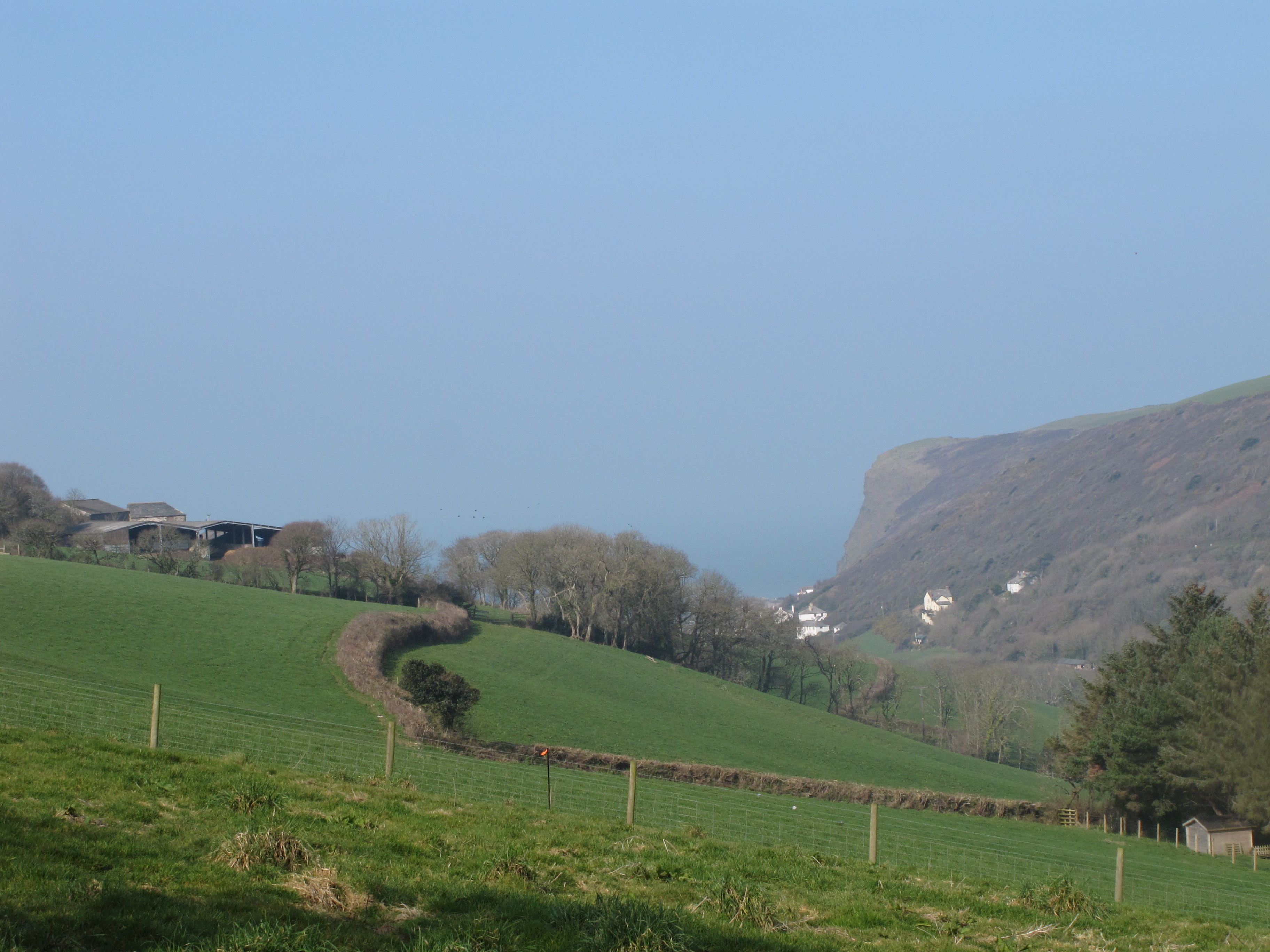
Soothing and irrelevant photo. The cliffs on a hazy day in spring.

So J. got us all in motion, and it was already too late to get a notice in the village newsletter. The crisis was building and still is. We didn’t want to put it off for a month. So we put posters up and we got a notice on the village Facebook site, and the grapevine got to work.

In addition to collecting money, we were also collecting clothes, bedding, toiletries, and a few other things, because out of nowhere a Cornwall to Calais drive had appeared, gathering things for the refugees in Calais, who are stranded by the entrance to the Channel Tunnel, looking for a way into Britain. None of them have visas, and they’re desperate enough not to care. One told a reporter he’d rather die there than be sent home. If I remember right, he was Eritrean—a state I’ve seen described as being very much like North Korea. They’ve chosen Britain for the most part either because they have family here or because they speak the language. (As I write this, police have cleared the camp, forcing them out. Whether it will reform remains to be seen.)

I can’t help remembering that before World War II, a shipload of German-Jewish refugees were turned away by one country after another, because the fear of being swamped by Jewish refugees was as powerful then as the fear of being swamped by non-European, and especially Muslim, refugees is today. And when all their possibilities had been exhausted, the ship took them back to Germany, where they died in the concentration camps.

The Calais refugees, by their simple existence, have stirred up a lot of hostility, of the sorry-but-the-country’s-already-full-and-besides-it’s-ours variety. So we expected some hostility in the village to the coffee morning. With a very few exceptions, we didn’t find it. The photo of the Syrian toddler who drowned crossing the Mediterranean with his family had shocked people. The refugees are, suddenly, fully human in many, possibly most, people’s eyes.

Maybe I’m not being fair in putting it that way. Maybe most people have, in a quiet way, always seen them as human (and not, as the Prime Minister put it, “a swarm”). What I do know is that the photo changed the conversation. People have publicly pledged space in their homes to refugees. Calais, rumors have it, now has as much in the way of clothing etc. as it can handle and what’s still being collected will end up going further—to Hungary, maybe, or to Germany or Austria or Italy or Greece or wherever it’s needed. The situation changes daily. It’s chaotic. We collected without yet knowing where it’s headed, and the people sorting it when we dropped it off weren’t sure either. What we know is that it’s needed, and it will be sent.

So we set up tables for donations at the coffee morning, and before long they overflowed—shoes, warm clothes, pots and pans, candles, toothpaste, soap, shampoo, belts, blankets, towels, tents, backpacks, rucksacks. We bagged it up to make room and more appeared. It was very moving—and all the more so because this wasn’t coming from just the usual suspects, the people we already knew were with us on this. The people donating crossed the political spectrum.

And the people who baked things to sell and who helped out on the morning also crossed the political spectrum.

F. contributed a cake to the coffee morning, and I didn’t try it, which I’ve been regretting because I’ve been hearing how good it was ever since. We’ve never talked politics, so I haven’t a clue where she stands. She grew up in Mauritius, and she told me about a flood they had there. She was helping sort clothes for the Red Cross, because people had lost everything, and they came across two completely impractical things: a wedding dress and a little girl’s princess dress.

The princess dress ended up making a small child very happy. And the wedding dress? A young woman who came in had made her own wedding dress and lost it in the flood. Everyone got together and remade the donated one—which F. said was very glamorous—so it fit her. She got married in it, and I have a hunch she carried herself like a queen and that the story’s still being passed down in her family.

I hope, in this time when people are desperate enough to walk across a continent, cross the Mediterranean in a rubber dingy, and trust themselves to traffickers because not to do so is even more dangerous; when those who can’t take those risks are being warehoused in camps with no schools and not enough to eat and expected to wait there until no one knows when; when countries are saying they’ll take some absurdly small number of refugees because if one more person comes in someone who’s already here will fall off; in times like these, I hope the small gestures of people in a small village will let a few people know they’re not forgotten, not invisible. And I hope it will add to a thousand other small gestures and shame our governments into doing something.

If anyone wants to make a donation, here are a couple of organizations that can make use of it: The United Nations camps were, last I heard, running out of money and needed donations desperately. And the British Red Cross has a Syria Appeal.

There are others, and I don’t know which is most important, which is making best use of the money, or which is placed where the pinch is felt most sharply. All I know is that people are suffering.

Romantic Cornwall

Someone wrote in a comment last week that she’d always harbored romantic visions of Cornwall, and I wrote back (somewhere in this sprawling mess I call a blog) that it’s an easy place to romanticize, even though I’m something of an anti-romantic.

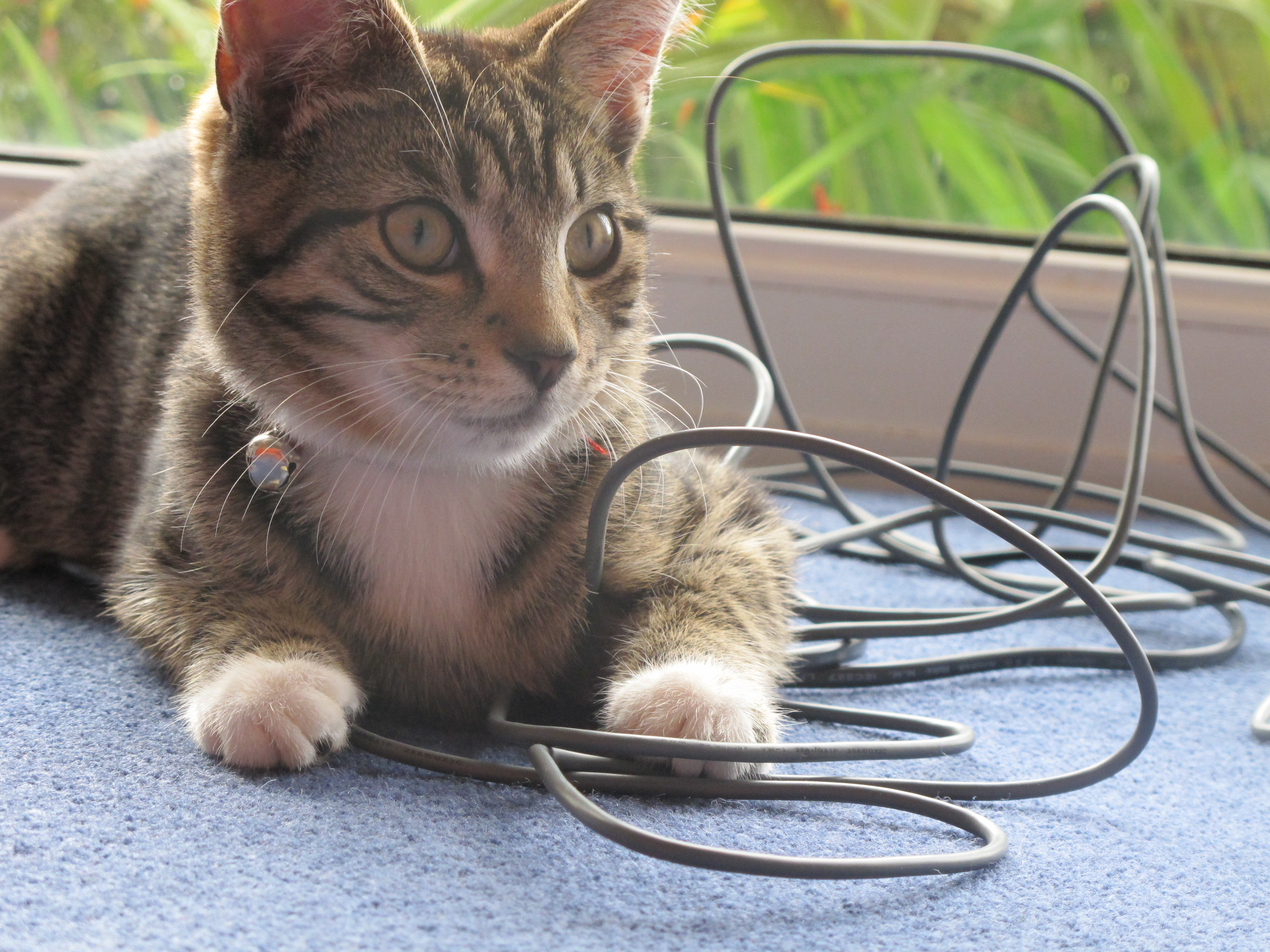
And then on Sunday morning I woke to the sound of a cat upchucking on the floor and thought, What could be more romantic than my life?

Semi-relevant photo: flowers. Romantic, right?

Whoever it was who wrote that comment, I apologize for not remembering and so not being able to find it and link to your blog. It never crossed my mind to post anything about it until the cat threw up this morning, and the comments, much as I love them, are threatening to overwhelm me, so going back and checking them all? Ack. Not possible.

In the meantime, think of romantic Cornwall and the perfect life Wild Thing and I live here.

P.S.: It’s raining.

The cream tea wars

Cornwall and Devon are separated by the River Tamar and by a whole lot of bitter claims over who makes the best cream tea. Since a few people have left comments lately saying—and I’m about to paraphrase them both inaccurately and irresponsibly—that almost no wars are worth fighting, I think it’s time we stop and contemplate whether this one might not be. Because some things really do matter.

But first, for the sake of those of you whose feet have never been tucked under a table blessed with a cream tea, I need to explain what I’m going on about. The cream tea one of the few things that might convince this atheist that heaven exists. You take a scone and split it in half, then put jam and clotted cream on each half and as you take that first bite you’ll notice your eyes rolling upward toward the heavens in thanks.

swanage 073

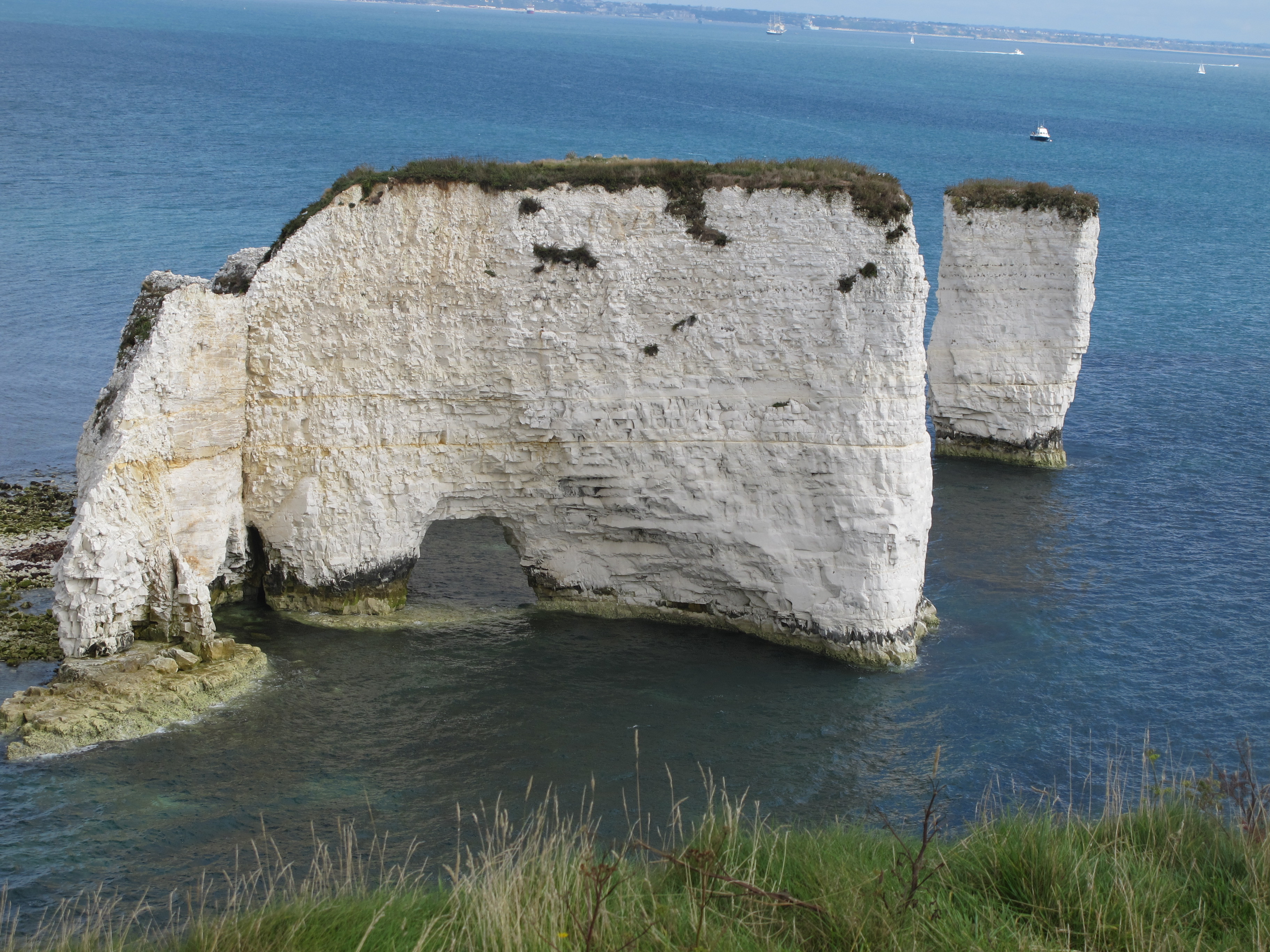
Irrelevant photo: To be fair to both Cornwall and Devon, I’m posting a photo from Dorset. Which probably also thinks it invented the cream tea.

What’s clotted cream, though? It’s roughly as thick as whipped cream (don’t quibble; I did say “roughly”) but unsweetened. As well as yellower, gooier, and better. Ignore the disgusting name.

What’s this got to do with wars? Well, in Devon they think they invented both clotted cream and the cream tea. And they put the cream on first. In Cornwall, they also think they invented clotted cream and the cream tea and they put the jam on first. You at the back, settle down. This will be on the test.

In fact, it’s on the test every time I get a cream tea—which isn’t often because the arteries will only put up with just so much abuse. But it does happen now and then and when it does I sit in front of the scones, the dishes of cream and jam, and can’t remember which goes on first. Because I live in Cornwall, and this is serious stuff. It’s also exactly the kind of stuff my mind spits out like a toddler offered rutabaga. Ptooey, it says. I’m not remembering this, and it dances off to review some song lyric it already knows perfectly well, or the name of a wildflower, or something else of its own damn choosing.

Meanwhile, I could get myself run out of the county for this. And if I do, my mind’s going with me so I wish it would pay more attention.

Why does anyone care? Once upon a time, I’d have said it was just something to fight over, but food scientists have researched the issue, looking for the perfect cream tea formula. It turns out you want 40 grams of scone, 30 of cream, and 30 of jam. And—although they don’t mention this—a good-size pot of tea. With milk, a sunny day, and some people you like. Because hurling yourself at a cream tea on your own is right up there with drinking alone.

It turns out that the Devon method makes it easier to spread the fillings but the Cornish method allows you to serve the scone hotter, because the jam insulates the cream and keeps it from running. They don’t actually say which is better, the cowards. Which means they’ve been overtaken by the fate of most peacemakers, which is to piss off both sides.

You will, of course, pledge your allegiance to whichever side you choose, but don’t be surprised to make a few enemies when you do.

If you don’t live in Britain but want to make your own cream tea so you can participate in our wars? You’ll find a scone recipe in a back post and you shouldn’t have any trouble finding strawberry jam in a store, but you’ll have to either find a fancy supermarket and pay an outrageous amount of money for real clotted cream or try to fake it. Here are a couple of attempts I found online. I can’t vouch for either of them. This one’s from Food.com and used heavy cream and sour cream. And this one’s from Just a Pinch and uses cream cheese and whipping cream. Both add a bit of sugar, which makes me skeptical, but it may work. For the real thing, you’ll have to visit. On a sunny day. With friends.

Golliwogs: in public and in private memory

In response to my post on comparative racism, leannenz left a comment that made me realize I’d left something important out of the post—a part of my thinking that was clear enough to me but invisible to anyone else. So I’m bringing the issue out of the comments zone and into a post of its own.

Leannenz wrote that she grew up “in the age of Enid Blyton, Noddy, Big Ears and Golly. I had the book Little Black Sambo read to me as a child. Nowadays there is a lot of talk of Noddy and Big Ears being in a homosexual relationship and the racist facet to Golly.

“I look at them now as part of history. They were what they were back in the day, a child’s toy, a child’s book but the thank goodness we have made progress and they are now no longer the accepted norm. Thank goodness people are willing to say they are derogatory and demeaning and don’t have a place in the modern classroom. I would say, let people remember a childhood toy with fondness BUT I would like to think that now people would realise these dolls originated from the colonial era of class system that put people down and would chose not to make or purchase them although I suspect they are still out there.”

I understand that some people have fond memories of golliwogs as childhood toys, and those feelings are their own and no business of mine or anybody else’s. It’s when people assume that their feelings and memories justify the public use of golliwogs that I object.

No more than a few weeks ago, a charity shop in a nearby town decided to celebrate the town’s jazz festival with a window display that included some golliwogs. Somebody objected on a town chat site and was jumped all over by multiple people who use the site—and defended by others. I don’t read the page so I don’t know the numbers, but it sounded like only a few people defended him and a lot of people attacked.

It got ugly quickly, as these things do online.

I was in town just after I heard about it, so I stopped by the store to voice an opinion. They must have already gotten an earful, because the woman I talked to started answering me before I’d gotten to the end of my sentence. It wasn’t her decision. The manager would have to decide. And so on.

They took the display down and wrote on the chat site that the person who put it up had meant no offense. Which I’m sure is true. It was an act of pure cluelessness.

The person who initially raised the question ended the discussion by saying to the people who’d attacked him, “You may not understand this, but your children will.” Which strikes me as a moment of pure grace, under the circumstances.

Thanks to leannenz for her comment, and to the many other people who left thoughtful comments.

Comparative racism part 2: What’s it like in Britain?

After writing a guest post about American racism I don’t seem to be ready to leave the topic. My mind keeps circling back to something I’ve avoided writing about until now: British racism.

Why am I avoiding this? Tact? Nah. I have the occasional moment of tact, but as a rule I’m not paralyzed by it. That it’s a hard topic to be funny about? In part, but I hope to manage a bright spot here and there. Ignorance? Well, yeah, there is that. I’ve lived in the U.K. for nine years. That doesn’t make me an expert. It’s a huge, sprawling topic. Plus I live in an absurdly white part of the country. Although my friends and family are a multi-hued (and multi-many other thinged) group, my friends in this country, for the most part, are not.

But still, I listen. I hear things.

Beyond irrelevant photo: grasses after an autumn rain

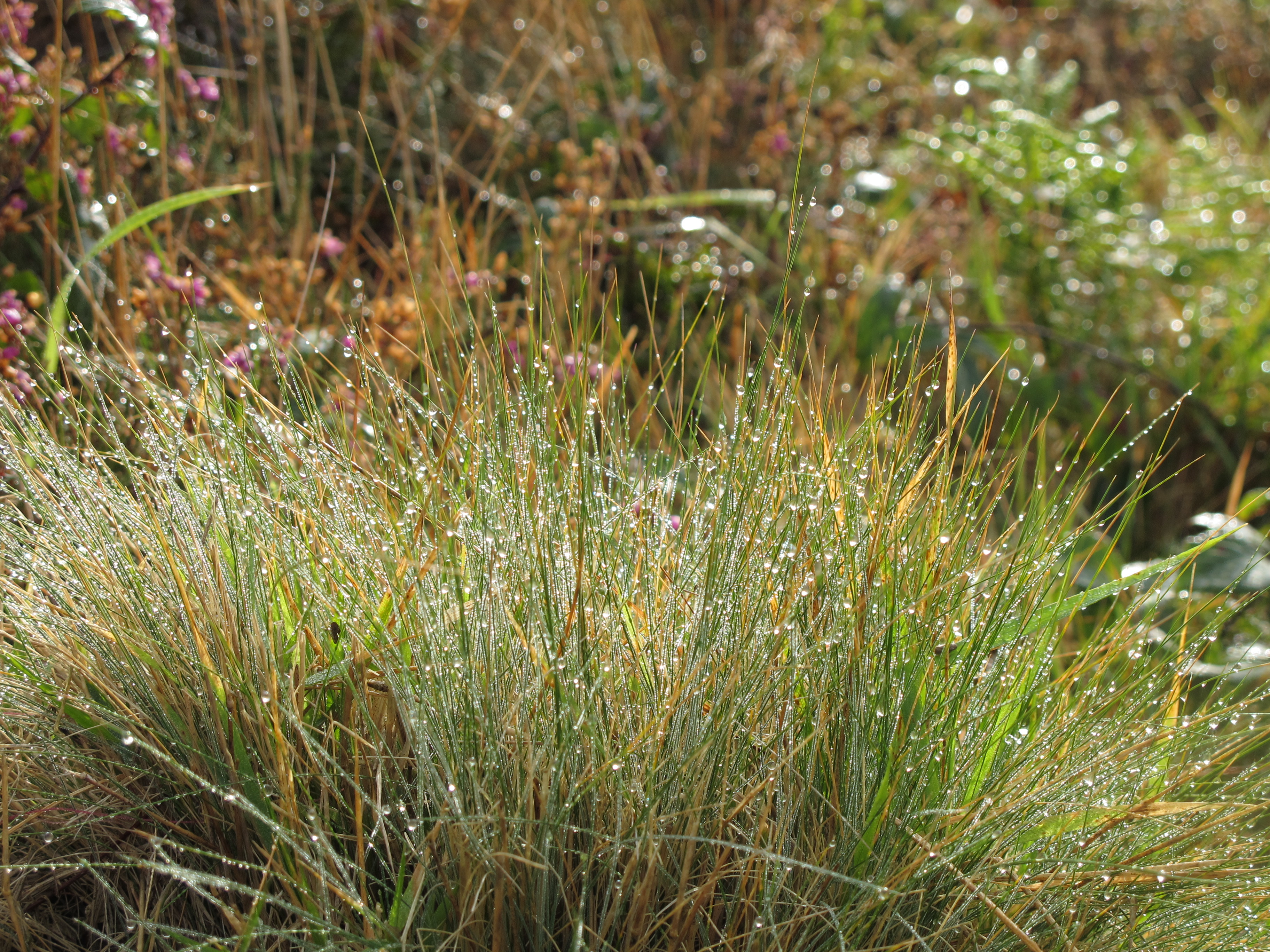
Beyond irrelevant photo: grasses after an autumn rain

Before I go on, though, I need to explain something. I appreciate it that a lot of people say things like “he used the N-word” in order to avoid using a deeply offensive word. I’m about to use the word, though—not because I think it’s okay, but because I’m writing about people who do, and to dance around the word itself is to dance around the racism it embodies. You know the phrase she wouldn’t say shit if she had a mouthful? Well, we’ve got a mouthful here, and I am going to say shit.

Since I moved to the U.K., I’ve been in a couple of situations where people used the word nigger, not as I’m using it here, to discuss racism, but as a way of talking about black people, and I’ve argued with them about it. If you don’t say something, you become complicit. Besides, I’m not constructed for shutting up about things that matter to me.

Argued makes the interactions sound more reasoned than they were. What I’ve found myself saying is variations on You can’t say that in front of me. Because screw the reasoned argument, people already know why I’m objecting and why explain it one more time? What might make some difference is putting as high an emotional price as I can on using the word.

I won’t argue that it’s the best way to respond, but it’s the one I can manage.

So why am I talking particularly about Britain? It’s not that no one uses the word in the U.S., although I can’t remember the last time anybody in the U.S. crossed that particular line with me. I didn’t live in such a white area, and I’d guess that makes a difference. Or maybe it needs to be explained some other way. I’m not sure. But I’d be surprised if, in a similar situation, anyone in the U.S. would react the way people do here, and if I’m wrong, tell me, because I’m interested. What happens here is that people regularly respond by saying things like, “I like the word,” or, “I don’t mean anything offensive by it,”  which seems to say that nobody should be offended and presumably the argument can then turn to what’s wrong with people who are offended when they shouldn’t be.

Insert a brief incoherent shriek here if you would. I don’t know how to spell one convincingly or I’d insert it myself.

I’ve heard the same argument made about golliwogs—Little Black Sambo-like dolls that make my flesh crawl. I never saw one until I came to Britain, but they have a history here and I’ve met any number of whites who tell they had golliwogs when they were kids and they loved their golliwogs; to them, the dolls aren’t racist. Never mind that they’re caricatures right out of the 1920s-style School of Shameless Racism.

A few of these comments have come from people who are clueless and/or racist, but more of them come from people of genuine goodwill—people who’d be horrified to be thought of as racist. And yet the compass that tells them what’s racist resides inside themselves, not out in the world, among the people most affected by it.

Admittedly, to at least some extent we all have to trust our instincts. But we also have to listen to people who are closer to the front lines on this. Being part of the group in question give you an intense apprenticeship in tuning yourself to racism, sexism, anti-Semitism, anti-WhatHaveYouIsm. And those of us who aren’t part of the group? We might want to listen. And think about what we hear. Because if we’ve lived in a society full of anti-WhatHaveYouIsm, we can’t help but be affected by it. We breathe it in. The spores settle in our lungs and they want to multiply. Hearing from the outside world is a sort of antibiotic. And I’m going to bail out of that metaphor before it goes out of control. I only passed high school biology because the teacher wasn’t what you’d call rigorous.

That’s far from a full report on the differences between American and British racism. (Did I really need to say that?) But it’s an aspect that fascinates and baffles me. I’ll be interested to hear what you can add.

Comparative racism: link to a guest post

Sophie McNaughton from Moon Child invited me to write a guest post about the United States and racism. She lives in Scotland and having followed the news from the U.S. had begun to wonder if the country was being demonized (or in her word, demonised) or if what she was reading and hearing was accurate. If you’re not already up to your eyeballs with what I think, follow the link and read it.

Why is Britain called Great Britain?

The question of why Britain’s called Great Britain popped up in a comment thread, and if I were a better person I’d go back and figure out where it was and link to whoever raised it (it was a British reader in case that strikes you as being worth knowing) but I’m crazed lately. I made a note to do sixty seconds of research on the topic, forgot to copy the link into my notes, and here I am, without a clue where we were at the time.

Sorry.

But the question persists. What are we talking about when we say “Great Britain”?

If you wander around London long enough, you’ll eventually stumble into a street called Great Russell Street. It’s not a particularly big street, but I’m assuming it’s bigger than (not great) Russell Street, which you’ll also stumble into if you stumble long enough. (All this stumbling relies on the same principal as those thousand monkey on typewriters who will eventually produce the entire works of Shakespeare, assuming you can convince monkeys to type. And assuming I can get you to wander long enough. You’re welcome to stop for tea as often as you like if that helps. Or a beer.)

Great, my friends, isn’t a value judgment in either context. It means big. Big honkin’ Russell Street, Big honkin’ Britain.

Irrelevant photo: Fast Eddie is growing and would now like to be known as Great Eddie.

The first person to use great in the context of Britain seems to have been Ptolemy, who wasn’t writing in English so we’re fudging our facts here, but it’s interesting anyway. He called what we now know as England, Scotland, and Wales (and Cornish nationalist would add Cornwall)—in other words, the bigger landmass hereabouts—Great Britain, and Ireland—the smaller one—Little Britain.

Then everyone forgot about it for centuries. They had other things on their minds. In the twelfth century Geoffrey of Monmouth called that bigger landmass Greater Britain to distinguish it from Lesser Britain, which wasn’t Ireland but Brittany. And then they forgot about it all for another long stretch of time.

The phrase pops up again in the fifteenth century in a not very interesting context, then gets serious in the seventeenth century, when James united what were still and continued to be two separate countries, England and Scotland, under a single monarchy—and (although it’s not relevant to our discussion) claimed Ireland and France as well. In the next century, England and Scotland were united into a single country. Wales had been conquered some time before all this and the English had gotten into the habit of thinking it was part of England (the Welsh thought differently), so it didn’t get a separate mention right then.

James, by the way, was either the first or the sixth, depending on whether you’re standing in England or in Scotland when you count. I told you not to trust me with numbers—they go all shifty when I’m in the room. It should also be noted that James couldn’t spell for shit. He called himself the king of “Great Brittaine,”

Well, he was king. He got to spell it any way he wanted. Who was going to tell him he had it wrong? Besides, pretty much everyone did that back then, with pretty much any word they set their feathery pens to.

Fast forward to the days when Britain had an empire. The Great in Great Britain must’ve been handy and did take on the tone of a value judgment. But the origin? Big. Nothing but big.

These days, Great Britain means England, Wales, and Scotland. (The link here is basically a footnote in case you’re seriously interested. I could also link to some kid’s school paper, which for reasons I won’t stop to think about came up at the top of Google’s list, but I won’t.) And Cornwall, as the Cornish nationalists would remind us. Along with some of the surrounding small islands but not others, which are self-governing dependent territories.

Don’t ask.

It doesn’t include Northern Ireland. But in everyday speech, people often use British to cover the entire United Kingdom, which does include Northern Ireland. A website called Know Britain says that from a legal point of view this is inaccurate—and just afterward it notes that the phrase is often used to mean exactly that in legislation, especially in reference to nationality.

So there you go. Are you confused yet? Then my work is done. But because I don’t like to leave a topic until I’ve overdone it, I should add that Know Britain says the British Islands is a political term meaning the United Kingdom, the Channel Islands, and the Isle of Man. But the British Isles is a geographical term meaning Great Britain, all of Ireland, and all the smaller islands around them. Don’t you just love this language?

Someday when I’m feeling particularly brave I’ll tackle the question of which categories of people would say, “I’m British,” and which ones would say, for example, “I’m English,” or “I’m Cornish” and so forth, and what all that means. Or may mean.

But for now we’ll end there . It may not all be good, but it’s great, isn’t it?

Dealing with the public, U.K. style: part 2

Last Friday I posted a piece about what it’s like dealing with the public in the U.K. Then I did the grocery shopping and became the public.

I need to bore you with a bit of personal background here. On Thursday, I made pizza for Wild Thing, a friend, and myself. Two pizzas to be exact, because our friend is young, with youth’s boundless and enthusiastic ability to eat a lot of whatever’s available. I make a decent pizza, if I do say so myself, with homemade dough but, sadly, bottled sauce. I used homemade sauce once, and although it’s good on spaghetti it was all wrong on pizza. So I use bottled stuff.

But pizza calls for mozzarella.

Irrelevant photo: beach huts at Swannage

Irrelevant photo: beach huts at Swannage

Now unlike the U.S., Britain never attracted a serious wave of Italian immigrants, and it’s a poorer country for it—something that’s worth keeping in mind as we battle it out over how many refugees we’ll allow to reach these green shores. So Cornwall shouldn’t be your first stop if you’re planning a mozzarella tour of the world. When you ask for mozzarella here, most stores will show you little wet balls of the stuff, called fresh mozzarella, sealed in soft plastic coffins.

Do I sound biased? I’ve never tasted truly fresh mozzarella, but I’ve read that it has 24 wonderful qualities and one is lost in each hour after it’s made. The stuff in plastic coffins, then? It’s edible, even if I can’t get excited about it. But it’s Italian, and we’re all impressed with Italian food, so it sells. As the British recover from a traumatic food history, which includes not just rationing during and after World War II but long exposure to baked beans and overboiled cabbage, they’re exercising their gourmet muscles, trying to build up—well, maybe not a reputation as a gourmet nation but a something, a, um, gee, I seem to have gone all flappy and wordless as I try to describe this.

Okay, here’s what I’m trying to say: I opened Saturday’s paper and turned to the recipes while I worked up the courage to face the latest brutalities of the refugee crisis. Because—I know, in the context it’s grotesque, but our world a grotesque place these days—I love reading recipes, and trying a few of them. And the ones I found called for orange blossom honey, fresh curry leaves, and quails’ eggs. And good sherry vinegar. If you have any of the crappy stuff, don’t use it. Not to mention fennel bulbs. (Bleah—licorice flavor. Shudder, shudder, shudder.)

Not all in one recipe, to be fair about this. But still, you know, it’s not the stuff every home cook keeps on hand. Or the stuff rural supermarkets stock.

I can’t help thinking that these things get tossed into British recipes to establish the gourmetocity of the cooks who write them. You know: Look at us. Aren’t we worldly? Don’t we know our ingredients? So what if you never cook it: Aren’t you impressed?

I’ve wandered. Where was I? Fresh mozzarella in little wet packs that preserve it for so long that calling it fresh violates every Truth in Advertising standard ever established. It’s trendy. So the supermarkets sell it. Hell, even our village store’s been known to stock it. And it’s useless for pizza. Once, in desperation, I tried squeezing the water out of it and using it. I might as well have boiled the pizza.

I do not recommend repeating the experiment.

Plain ol’ mozzarella—the nonfresh stuff; I guess you could call it the dry stuff—is hard to find where I live. Maybe in cities it’s easier. For a while our local supermarket, Morrison’s, sold it by the block, which was great. Then they didn’t sell any. Then they sold it grated. Then that disappeared and was replaced with a mozzarella and cheddar mix, which is blasphemy. Then, finally, they sold a Morrison’s brand grated mozzarella again. And all was at peace in North Cornwall.

Until of course it wasn’t. Because the stuff I bought and used on our most recent pizzas? It was white and it melted—so far so much like mozzarella—but it didn’t taste like cheese. The packaging was the same as the mozzarella I’d bought before, but they’re substituted some uncheeselike substance.

And this in a country that takes cheese seriously. That makes and eats wonderful cheese.

And now we return to Friday, when I was shopping in Morrison’s, having made two bad pizzas the day before, and I was in the dairy aisle, where a kid was stocking something and on an impulse I asked him, “If I made a comment on one of your products, is there anyone who actually listens to that sort of thing?”

To which he said something along the lines of, “Gee, I don’t know.”

We both laughed. There was no point in going on about the mozzarella, but there was also no way not to, so I told him about it. We stopped to unscramble that I didn’t mean the fresh stuff, I meant the grated (since they no longer sell it in bricks).

“I only buy the red Leicester,” he said, “and to be honest that’s crap too.”

How could I not like this kid? I seem to remember Wild Thing swearing off red Leicester years ago, for just that reason, although on the basis of our recent experience I’m ready to guess that we don’t know what red Leicester really tastes like. I don’t remember what else we said, but as we were winding down I said, “Well, if there’s anyone to pass my comment on to, tell them some crazy American who lives here complained about the mozzarella.”

He said he would. We were both, I think, pretty sure he wouldn’t, because who was he going to tell? I thought about calling the emergency services number—which is 999 here, in case you need to know that—but I restrained myself.

Dealing with the public, U.K. style

A recent article in the Guardian listed the reasons people call local government. The information was compiled by the Local Government Association, and what journalist could resist? Other papers ran versions of the story as well. People asked:

What was the name of the James Bond baddie who liked cats? (That was for a crossword puzzle.)

What size pan does Mary Berry’s strawberry tart call for? (At least they didn’t ask what kind of fruit it calls for.)

How much water do you need to cook super noodles? (A lot. What are super noodles?)

What are the rules for mouse racing? (First you catch your mouse…)

What should you do if you eat an out-of-date pork pie? (Write your will. It’ll keep you busy until you come to terms with the fact that you’ll live.)

Would you take my cat? (No, for my cat is a jealous cat. My other cat probably is as well, but he’s young and can’t imagine other cats moving in on his territory.)

swanage 078

Cliffs near Swannage, Dorset. That woman soaking in the sublime scenery? She’s looking at her phone.

I don’t know if those are particularly British questions—except of course for the Mary Berry one. She keeps cropping up here.  The emergency phone system fielded a call from someone who said Mary Berry had kidnapped her. The consensus among people who left comments here was that we should all be so lucky. We’d get a nice cup of tea and some homemade cake.

When you deal with the public, you hear and see pretty much everything. My dealings have been with the American public, but basically weird calls are weird calls. I used to work for a writers organization, and it ran a series of contests. Every time the rules confused someone and they called to ask for an explanation, the organization responded by making the rules more specific. And longer. Which confused more people. Which led to more calls. My favorite went like this. “I see it says to staple the submission in the upper left-hand corner. Whose left is that?”

As an organization, we never did seem to catch onto the connection between increased length and increased calls. So who, I ask you, should I be making fun of here?